Energy | 23 November, 2023 at 6:16 PM
ECITIM wants to develop eight PV parks in Romania
ECITIM, a Romanian start-up in the field of energy, is in the process of obtaining an electricity producer license.

ECITIM, a Romanian start-up in the field of energy, is in the process of obtaining an electricity producer license.

The Commission launched today the first auction under the European Hydrogen Bank to support the production of renewable hydrogen in Europe, with an initial €800 million of emissions trading revenues, channeled through the Innovation Fund.

nextE, a renewable energy company operating as an Independent Energy Producer (IPP), has announced the completion of a €4.8 million investment in a photovoltaic power plant whose beneficiary is RAAL.

The growth of the hydrogen-based economy in Germany is slowing, even as the global positive development continues, according to E.ON.

The largest photovoltaic park in Transylvania, with over 5,500 modules, will be built in Bistrita, with financing through the National Recovery and Resilience Plan (PNRR).

ProCredit Bank has granted a loan of €3.15 million to the nextE group for the construction of a photovoltaic plant.

The Competition Council has completed the study on the authorization process of new energy production capacities from renewable sources, after which it made a series of recommendations to the ministries involved.

The Ilfov County Council will build a photovoltaic plant in Cernica.

E.ON Energie Romania has completed a new photovoltaic plant for the Romanian brick producer Cemacon.

7 out of 10 Romanians want to reduce energy waste to optimize their utility costs.

Metigla, the company that offers complete solutions for metal coverings and closures, has installed photovoltaic panels on the roof of the Ceptura factory and is reducing its energy consumption from the grid by 70%.

The national electricity carrier Transelectrica is preparing an underground electricity transmission project with low carbon emissions.

Romania ranks second in the region, after Poland, in terms of green energy production potential, said Alexandru Reff, country managing partner of Deloitte Romania and Moldova, in a specialized video conference on Monday.

Mega Image has published, for the fourth consecutive year, the annual non-financial report.

Public company Motorways of the Federation of Bosnia and Herzegovina has announced that plans to install solar panels along highways and produce electricity for self-consumption.

Green Genius, a renewable energy company operating in eight European markets, wants to build 500 MW of renewable energy systems in the coming years in Romania.

Engie has started the construction of a photovoltaic park in Brăila County, located next to a wind farm that it owns.

The State Domains Agency (ADS) has completed the scriptural inventory of state-owned land that could be used to establish wind or photovoltaic power plants.

Copper Beech Urban Development is planning a major investment of RON 745 million (€149 million) in the development of a photovoltaic park in Giurgiu County.

The airport in Iasi, where a new terminal is now being built, is the first in Romania to have a photovoltaic park.
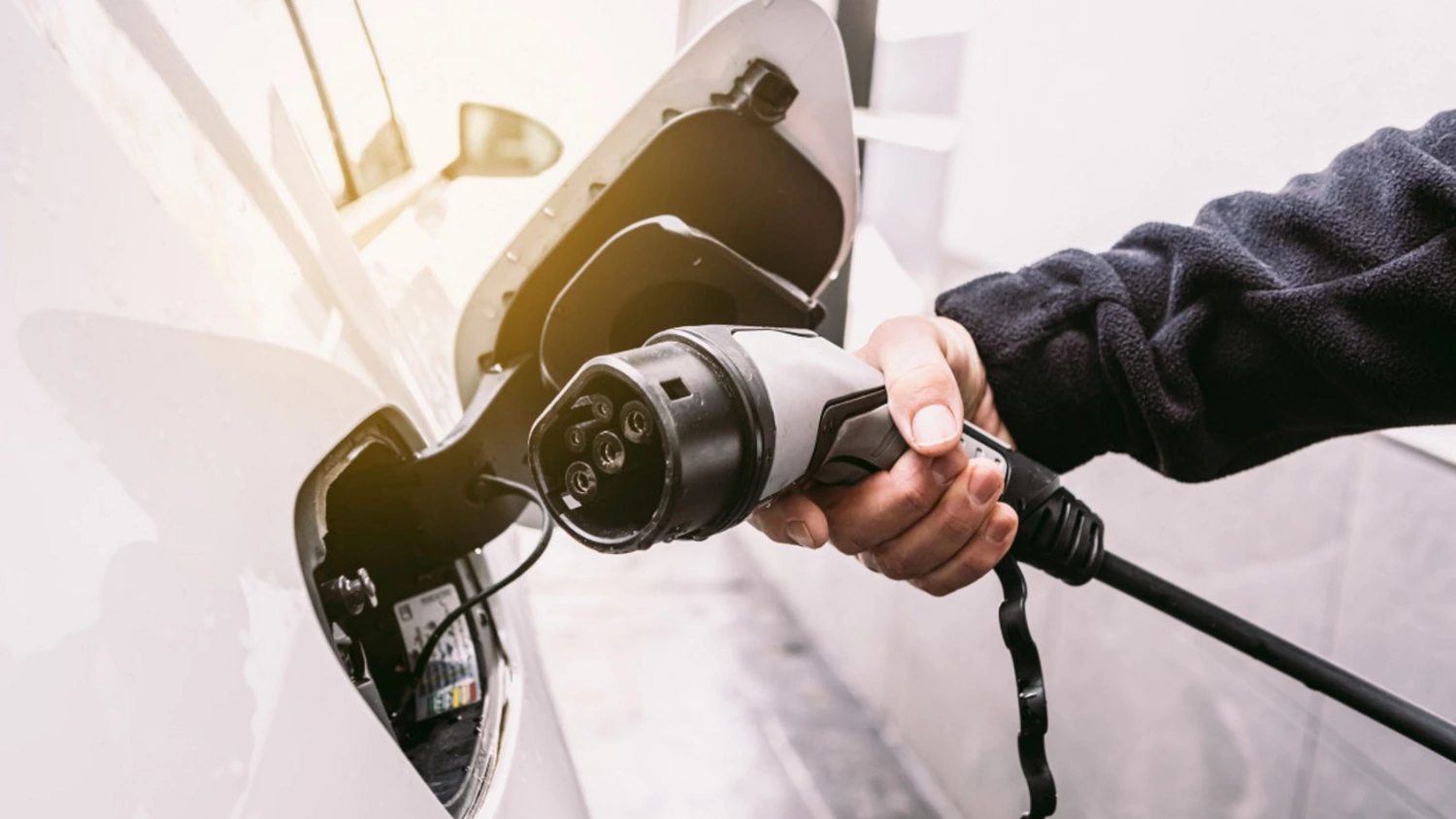
The European Bank for Reconstruction and Development is providing €35 million to GreenWay as part of a €113 million financing package to expand electric vehicle charging infrastructure across Central Europe.
The newly published Edition 2 2026 of the PV Module Manufacturer Ranking Report shows the first signs of stabilisation in the solar manufacturing sector's balance sheets after more than a year of steady deterioration. The table tracks the Altman Z-Score, a widely used measure of bankruptcy risk, for 64 publicly listed photovoltaic module manufacturers, and has now been refreshed with first-quarter 2026 data.
The Faculty of Hydrotechnics from the Technical University of Civil Engineering Bucharest and Waldevar Floating PV have signed a strategic partnership to accelerate innovation in renewable energy and prepare the next generation of specialists in floating photovoltaic technologies.
Join Lisa Chase and Tjidsger Wierda for a workshop on 28 May
Rezolv Energy has commissioned the St. George solar park in Silistra, Bulgaria, marking the company's first project to become operational. The 225 MW facility reached full operational status in under three years from acquisition of development rights.