Solar overtakes gas as Hungary's second-largest electricity source

Elzbieta Tomasik
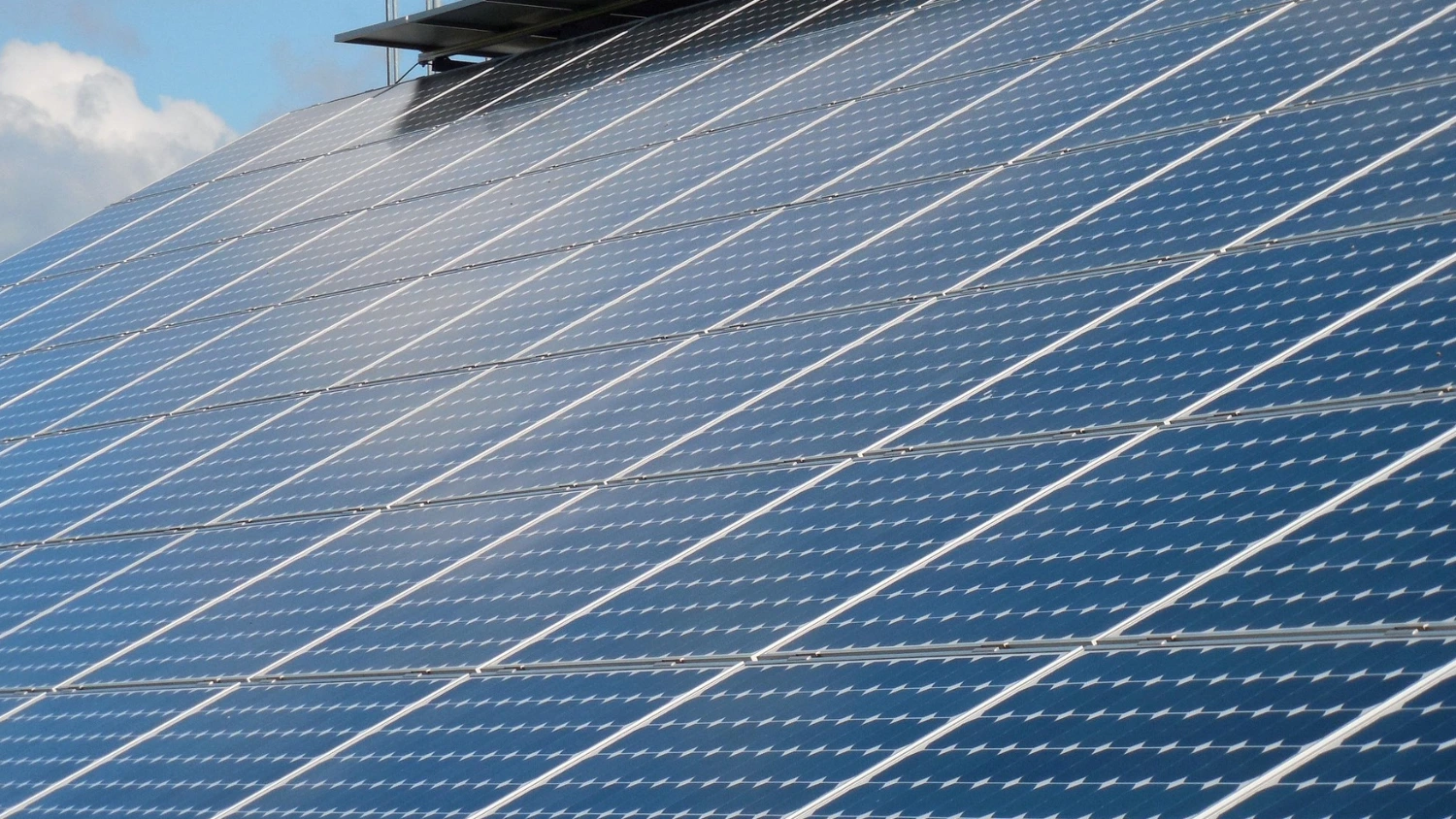
Solar power has rapidly risen to become Hungary's second-largest source of electricity, overtaking gas for the first time in 2024, according to data from Ember.

The chart shows that nuclear energy remains Hungary's dominant source of power, consistently providing the largest share of electricity generation. In contrast, gas — which expanded rapidly in the early 2000s — has now been surpassed by solar, whose share has surged sharply since 2015.

Coal, once a significant contributor to Hungary's electricity mix, has continued its long-term decline. Its share has now fallen to just 6 percent.

In 2024, the four largest sources of electricity — nuclear, solar, gas, and coal — accounted for 92 percent of Hungary's total power production. The shift highlights Hungary's accelerating transition towards renewables, with solar energy at the centre of its changing energy landscape.
RECOMMENDED
RECOMMENDED FROM THE HOME PAGE
Energy

Solar module makers show first financial stability in over a year

The newly published Edition 2 2026 of the PV Module Manufacturer Ranking Report shows the first signs of stabilisation in the solar manufacturing sector's balance sheets after more than a year of steady deterioration. The table tracks the Altman Z-Score, a widely used measure of bankruptcy risk, for 64 publicly listed photovoltaic module manufacturers, and has now been refreshed with first-quarter 2026 data.

Energy

Romanian floating solar pioneer partners with university

The Faculty of Hydrotechnics from the Technical University of Civil Engineering Bucharest and Waldevar Floating PV have signed a strategic partnership to accelerate innovation in renewable energy and prepare the next generation of specialists in floating photovoltaic technologies.

Energy

Rezolv Energy launches Bulgaria's St. George solar park

Rezolv Energy has commissioned the St. George solar park in Silistra, Bulgaria, marking the company's first project to become operational. The 225 MW facility reached full operational status in under three years from acquisition of development rights.