Energy | 7 May, 2024 at 7:00 AM
Microsoft signs contract for 10.5 GW of global renewable power capacity
This five-year pact maps out strategies for developing more than 10.5 gigawatts of new renewable energy capacity.

This five-year pact maps out strategies for developing more than 10.5 gigawatts of new renewable energy capacity.

Speakers of the panel on best practices at Romania ESG Forum 2024 opened a discussion revolving around ESG investing and decarbonization strategies.

ABB inaugurated a new factory in Belgium, investing €20 million in its construction, situated in Evergem, near Ghent.

RWE has secured funding for its Eemshydrogen initiative aimed at constructing a 50-megawatt electrolysis facility to produce green hydrogen.

To reduce its environmental footprint, Indotek Group will install a 5000-square-meter solar panel system, generating 1 MW on the roof of Plaza M.

Regarding environmental impact, the funded projects have resulted in annual savings of over 42,000 tons of CO2.

Saint-Gobain has entered into a renewable electricity supply agreement with OMV Petrom in Romania.

The European Council has formally endorsed a directive aimed at extending reporting deadlines for specific industries and companies outside the EU.

RWE has commenced the development of its inaugural solar facility in Italy. The completion of the project is slated for the year's end.

Eurostar has committed to power its trains entirely with renewable energy by 2030.
The European Commission will allocate nearly €720 million to seven renewable hydrogen projects across Europe.

The European Commission and EU consumer authorities have reached out to 20 airlines regarding potentially misleading green claims.

The Romanian Ministry of Energy announced that he offshore wind energy law will come into effect on May 30th.

Over 15,000 residences in Romania have been certified as "Green Homes" or have obtained precertification (still in the construction phase) between 2014 and 2024.

OMV Petrom has released its Sustainability Report for 2023, showcasing notable advancements in economic, environmental, and social realms.

Iberdrola, the Spanish power utility, announced the sale of its Romanian wind subsidiary, Eolica Dobrogea One, to power and gas distributor Premier Energy Group for €88 million.
European Parliament passed the Net-Zero Industry Act to boost EU production of technologies crucial for decarbonization efforts.

For the green transformation of the Romanian economy, it is of critical importance to have a true alignment of the private and public sectors.

The European Parliament has given its final approval to new regulations requiring companies to address their negative impacts on human rights and the environment.

The European Commission has given its approval to a €300 million initiative by France to bolster the efforts of Electricité de France's (EDF) subsidiary.
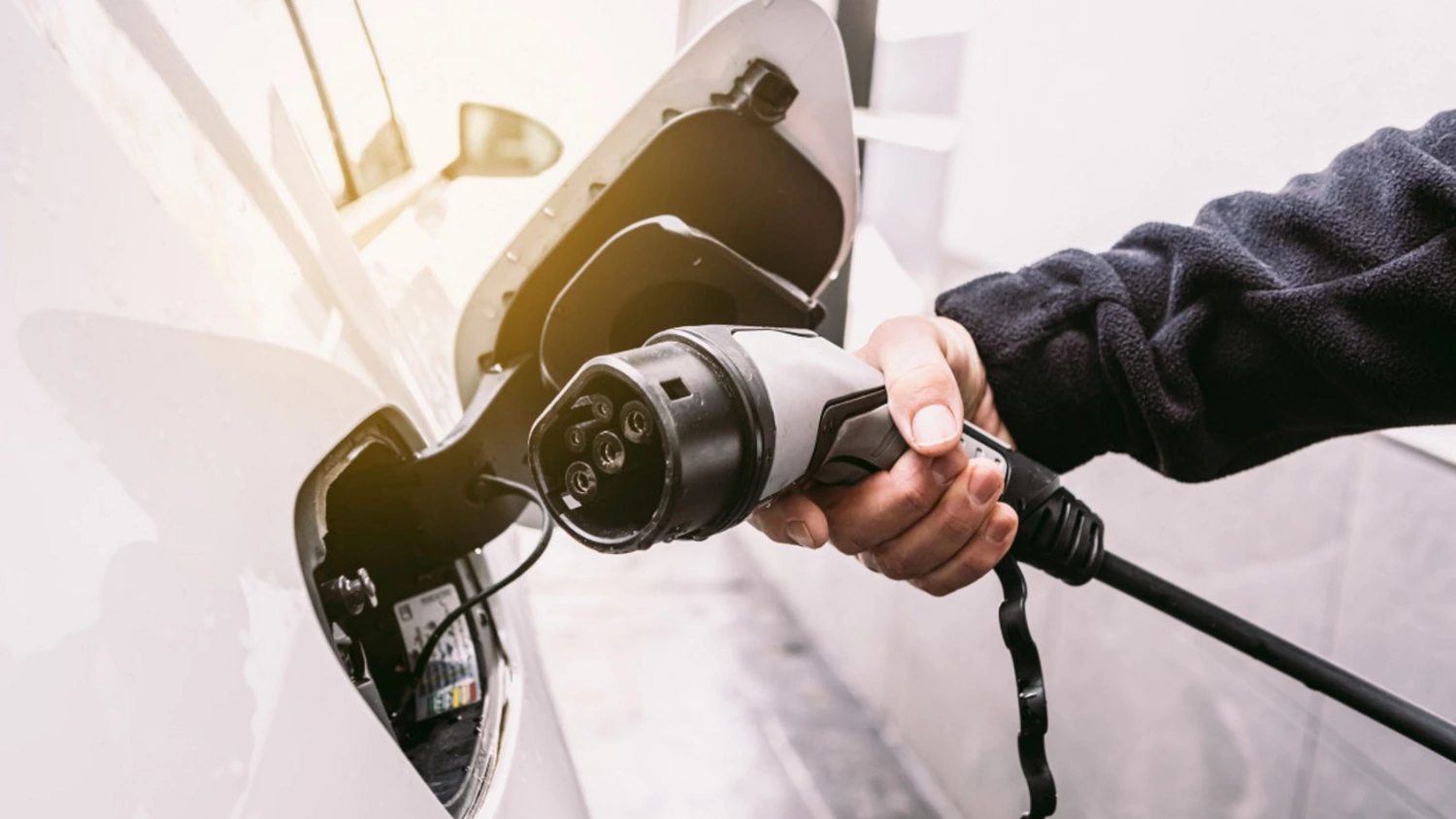
The European Bank for Reconstruction and Development is providing €35 million to GreenWay as part of a €113 million financing package to expand electric vehicle charging infrastructure across Central Europe.
The newly published Edition 2 2026 of the PV Module Manufacturer Ranking Report shows the first signs of stabilisation in the solar manufacturing sector's balance sheets after more than a year of steady deterioration. The table tracks the Altman Z-Score, a widely used measure of bankruptcy risk, for 64 publicly listed photovoltaic module manufacturers, and has now been refreshed with first-quarter 2026 data.
The Faculty of Hydrotechnics from the Technical University of Civil Engineering Bucharest and Waldevar Floating PV have signed a strategic partnership to accelerate innovation in renewable energy and prepare the next generation of specialists in floating photovoltaic technologies.
Join Lisa Chase and Tjidsger Wierda for a workshop on 28 May
Rezolv Energy has commissioned the St. George solar park in Silistra, Bulgaria, marking the company's first project to become operational. The 225 MW facility reached full operational status in under three years from acquisition of development rights.