Iulius Group installed photovoltaic panels on all the properties in its portfolio and will produce 5,500 MWh annually across the group. The total investment adds up to more than €3.5 million.
The European Commission approves a scheme of Romania worth €103 million, within the Recovery and Resilience Mechanism, to support the construction of electricity storage facilities. The purpose of this measure is to support investments in electricity storage facilities, thus contributing to the EU's strategic objectives related to the green transition.
BAT announces results in reaching its targets related to the strategic management of the water used in its production process. In 2022, BAT recycled 22.6% of the water volume used globally. BAT goals by 2025 include Alliance for Water Stewardship (AWS) certification of all its operation sites, 30% of water recycled, and a 35% reduction in water withdrawn by 2025 vs the 2017 baseline.
OMV Petrom aims to reduce the carbon emissions from its own operations by 30% by 2030, compared to 2019 and the company's ambition for 2050 is to reach carbon neutrality from its own operations, says Christina Verchere, CEO of OMV Petrom.
The capital of Bucharest will pay lower bills for the electricity consumed for street lighting, says Mayor Nicusor Dan. The City Hall announces that it is investing €5 million to modernize the public lighting system in Bucharest by implementing the remote management system and using devices with LED technology.
Drugmaker Zentiva announces its commitment to plant 1 million trees by 2030. The company has reduced its CO2 emissions by 10% in 2022, following a 16% reduction in 2021.
Hidroelectrica signed a joint venture agreement with Masdar from the United Arab Emirates, for the construction of offshore wind farms and floating solar farms in Romania. Hidroelectrica is the largest producer of green energy in Romania, with a portfolio of 187 hydropower plants, with a hydropower capacity of 6.3 GW, plus the Crucea wind farm, with an installed capacity of 108 MW.
DS Smith plans to build a photovoltaic park at the Zărneşti paper factory. The park would be ready in 2024, it would require an investment of €16 million and would generate approximately 19 MWh per year.
The tenants of IRIDE Park collected 10 tons of recycled paper and planted 30 trees within the park, as part of a campaign organized by CPI Romania. The company mentions that the ESG principles govern its entire activity, and this campaign is on the list of social responsibility projects of the company.
Green building certifications have become a must for landlords seeking competitive differentiators in today's challenging real estate market. Retail is the “greenest” sector, followed by industrial & logistics, and office, according to a Colliers report. In the coming years, landlords who fail to align with stakeholders' sustainability - demands will be affected, say the consultants.
The Dageco Expoziției Estate office building has obtained funding for the installation of 260 photovoltaic panels on the roof. The investment amounts to RON 500,000 (€100.000), without VAT, and the financing is provided by the Electric-Up program.
The distribution companies of the E.ON group set up 13,000 km of green corridors along the high-voltage overhead lines from the Black Sea to Sweden. In Romania, Delgaz Grid will develop approximately 1,200 ha along the route of 370 km of high-voltage power lines. Green corridors support healthy, sustainable ecosystems and biodiversity.
The Ministry of Investments and European Projects launches the REPowerEU chapter in public consultation, which will bring Romania €1.4 billion for energy independence. The amount will be used for strategic investments in the key area of energy security, which will allow the creation of clean energy production and storage ecosystems (hydropower, photovoltaics). The set of proposed measures will have a positive impact in supporting the acceleration of Europe's clean energy transition.
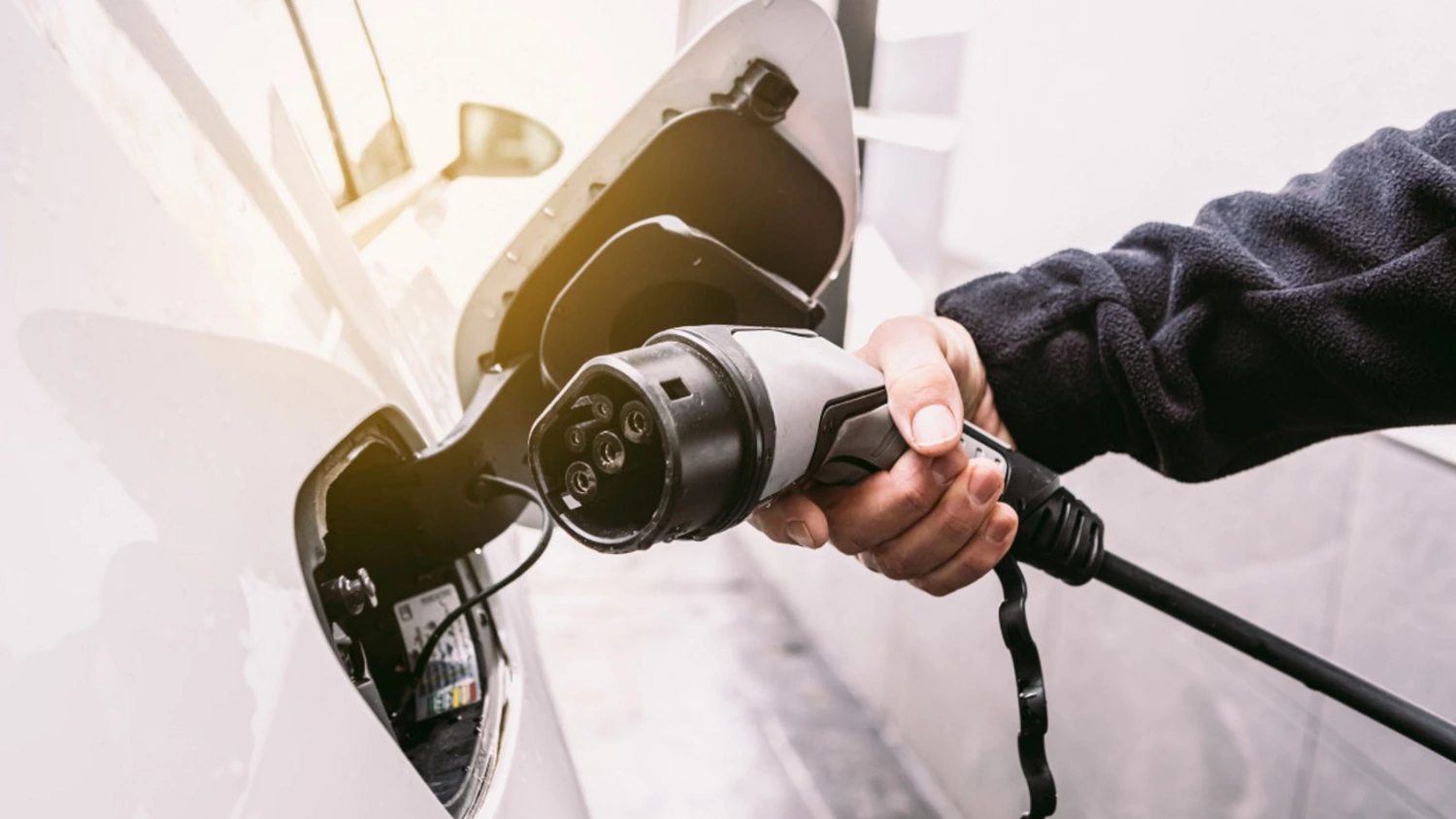
Interest in electric and hybrid cars is growing, supported by lower fuel costs. Most consumers prefer to charge their car at home, according to a Deloitte study. On the other hand, range concerns, charge time, and lack of charging infrastructure remain the main reasons why consumers are reluctant to electric vehicles.
Holcim Romania adopts an integrated decarbonization model and launches ECOPlanet PLUS, coated additive cement, with 30% fewer CO2 emissions. 7% of global CO2 emissions are generated by the cement industry. In more than 25 years of activity in Romania, Holcim has already reduced its net CO2 emissions by more than 25% and increased its energy efficiency by 25%.
The Romanian government approved the de minimis aid scheme for the construction of waste recycling facilities. The budget of the de minimis aid scheme is €26 million. The de minimis aid is valid until the end of this year.
For Romania, the production of batteries is a strategic imperative for the transition to clean energy, for modernization, and increase in the competitiveness of the industry, says the Minister of Economy, Florin Spataru. He states that the battery industry for electro-mobility represents a field that requires substantial investment both for production and for research.
The National Directorate of Forests - Romsilva to plant about 20 million forest saplings and regenerate 9,643 hectares of forest land, the public property of the state, during the spring afforestation campaign. The investment measure from the National Recovery and Resilience Plan (PNRR) - Investments in new areas occupied by forests, including urban forests and reforestation - has a budget of €730 million.
Romania to get €16 million from the European Commission for mobility projects. 26 projects from 12 member states are selected to benefit from subsidies worth €188.8 million to finance the construction of charging points and refueling stations hydrogen.
More than 3,000 MW of solar energy projects are to be installed in Romania in the next two years, thanks to European funds. The government is preparing green funding from the Modernisation Fund: over €1.5 billion for companies and local authorities. Romania is among the top 10 countries in alternative energy consumption.
The European Bank for Reconstruction and Development is providing €35 million to GreenWay as part of a €113 million financing package to expand electric vehicle charging infrastructure across Central Europe.
The newly published Edition 2 2026 of the PV Module Manufacturer Ranking Report shows the first signs of stabilisation in the solar manufacturing sector's balance sheets after more than a year of steady deterioration. The table tracks the Altman Z-Score, a widely used measure of bankruptcy risk, for 64 publicly listed photovoltaic module manufacturers, and has now been refreshed with first-quarter 2026 data.
The Faculty of Hydrotechnics from the Technical University of Civil Engineering Bucharest and Waldevar Floating PV have signed a strategic partnership to accelerate innovation in renewable energy and prepare the next generation of specialists in floating photovoltaic technologies.
Rezolv Energy has commissioned the St. George solar park in Silistra, Bulgaria, marking the company's first project to become operational. The 225 MW facility reached full operational status in under three years from acquisition of development rights.