Starting this year, the National Environmental Guard will be equipped with 46 drones equipped with sensors and equipment for inspection and control. They will provide information in a timely manner from various events with an impact on the environment and will become an essential tool in the daily activity of environmental commissioners, says Minister Tánczos Barna.
Romania could save over €6 billion by 2050, by renovating old buildings. Also, reducing exposure to dampness and mold and addressing the lack of natural light in residential buildings generates welfare benefits estimated to be equivalent to around €100 billion per year in EU countries.
Recovery and capitalization of waste stand out as a priority in Profi's strategy for environmental protection, says Gabriela Sirbu, Sustainability Director at Profi. She talked to Green Forum about Profi Romania's ESG strategy, the goals for this year and the investments in the community.
Arctic launches the Arctic Foundation to strengthen sustainability education among Romanians. According to a study published by the company, 4 out of 5 Romanians declare themselves willing to do more activities for sustainability, provided they have more knowledge in this regard.
Romania has 74 non-food products inscribed with the European ecological label, according to the National Environmental Protection Agency. The European Ecolabel is a voluntary system designed to encourage companies to market goods and services that are environmentally friendly.
The company Aerostar Bacău invests €3 million from its own sources in the implementation of a photovoltaic park. The photovoltaic park consists of over 7,000 panels, located on the roof of the buildings owned by Aerostar.
This year's Environmental Fund Administration (AFM) has a budget of over RON13.3 billion (€2.66 billion). The Casa Verde Photovoltaic program has a budget of RON2 billion (€400 million), double that of the previous session. Also, a budget of over RON1.5 billion (€300 million) is allocated for the three Rabla programs, through which the Ministry of the Environment aims to eliminate over 200,000 old cars this year.
The Polish company R.Power Group is developing a project portfolio of over 1 GWp in Romania. The company plans to expand its share of this market in the coming months and sign more contracts for photovoltaic projects. It is estimated that the construction of the first projects will begin next year.
Real estate developer Iulius has entered into a partnership with IFC, a member of the World Bank Group, to develop a strategy to decarbonize the company's entire portfolio and reach the target of net-zero emissions.
€159 million to be invested in the development of water and wastewater infrastructure in Iasi. The amount is financed by the EU Cohesion Policy funds within the 2014-2020 programming period. The effort is part of a vaster plan to improve water and wastewater infrastructure across Romania and in Iași County, it is complementary to the project completed in the 2007-2013 program period.
The Smeeni town hall in Buzău county was fined RON50,000 (€10,000) by the commissioners of the Environmental Guard, due to the randomly thrown waste. The same situation had been found at the last inspection, the remedial measures not having been carried out.
The Rombat company from Bistrita discussed with the Prime Minister of Romania, Nicolae Ciuca, the investment plans and intends to develop the production capacity of batteries based on Lithium-Ion technology. The company's plans include storage media for green energy. The company annually recycles 24,000 tons of used batteries.
Europe is looking for the magic solution for decarbonization, simultaneously with ensuring energy security, although the year started with a strong feeling of optimism for the energy sector at the global level, says Radu Puiu, Financial Analyst at the brokerage house on international exchanges XTB Romania. Amid recent negative factors, many countries have had to resort to fossil fuels and delay the transition to green energy.
An association of companies from Turkey is the winner of the tender for the realization of Metro Line 1, which will cost €1.8 billion. One of the construction companies executed metro works in Dubai, but also in Poland and Sweden. The metro line is 21.03 km long, with 19 underground stations and 1 above-ground depot.
The mayor of Cluj-Napoca, Emil Boc, announced that the municipality is buying 18 electric buses, based on a contract worth €16 million. The auction has already been completed and the delivery period is 12 months.
In the last three months of last year, over 29,000 tons of carbon dioxide emissions were reduced in Romania, through the packaging recycling activity generated by approximately 700 companies, according to Clean Recycle data. In 2021, Romania recorded a quantity of 79 million tons of carbon emissions from all industries, increasing by 5 million tons compared to 2020.
Autonom orders 200 electric cars worth €10 million and is speeding up the fleet electrification process. Last fall, Autonom received €15 million in financing from the European Investment Bank for the expansion of the fleet of electric and hybrid cars.
AE SOLAR is to produce solar panels in Romania, through an investment of €1 billion in a factory, informs the Romanian Government. This would be one of the largest investments announced in recent years in Romania. In the final phase, the project will have a capacity that will reach 10 GW.
Tarom allocates resources to achieve an ambitious goal of zero greenhouse gas emissions by 2050. The company mentions that it understands that climate change is real and requires immediate action.
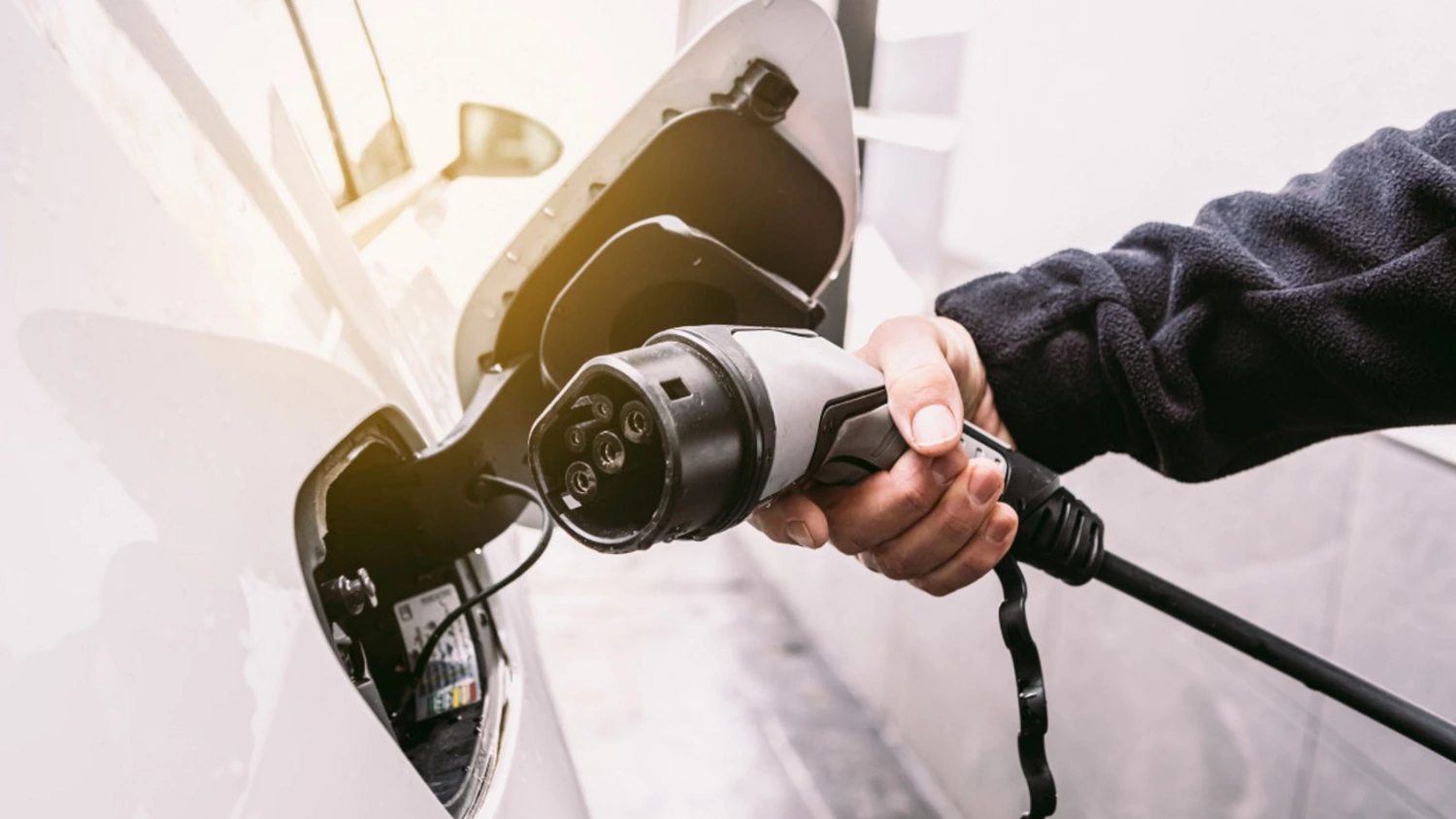
The European Bank for Reconstruction and Development is providing €35 million to GreenWay as part of a €113 million financing package to expand electric vehicle charging infrastructure across Central Europe.
The newly published Edition 2 2026 of the PV Module Manufacturer Ranking Report shows the first signs of stabilisation in the solar manufacturing sector's balance sheets after more than a year of steady deterioration. The table tracks the Altman Z-Score, a widely used measure of bankruptcy risk, for 64 publicly listed photovoltaic module manufacturers, and has now been refreshed with first-quarter 2026 data.
The Faculty of Hydrotechnics from the Technical University of Civil Engineering Bucharest and Waldevar Floating PV have signed a strategic partnership to accelerate innovation in renewable energy and prepare the next generation of specialists in floating photovoltaic technologies.
Rezolv Energy has commissioned the St. George solar park in Silistra, Bulgaria, marking the company's first project to become operational. The 225 MW facility reached full operational status in under three years from acquisition of development rights.