CTP's Clubhaus is the world's most sustainable non-residential building
The community facility CTP Clubhaus in Romania has been classified as the most sustainable non-residential building in the world.
The European Commission has approved a Bulgarian scheme to provide €142.1 million to support the country's energy sector.
The European Bank for Reconstruction and Development has priced its largest ever green bond transaction, issuing a €1 billion 7-year benchmark.
Restart Energy has completed the construction and installation of a photovoltaic project for Dip&Gip, totaling more than €200,000.
Nala Renewables has announced an agreement with Monsson, to acquire a 61 MWp solar photovoltaic (PV) project in Western Romania.
Amazon achieved a milestone in 2023 by matching all electricity consumed by its operations, including data centers, with 100% renewable energy.
For the year 2024, Raiffeisen Bank Romania will continue to finance eligible projects that support the sustainable development of key sectors of the economy,
One United Properties for 2023 showcases significant progress across environmental, social, and governance fronts.
The European Bank for Reconstruction and Development (EBRD) has approved a €30 million loan to Serbia aimed at funding investments in renewable heat generation.
Real estate developer Speedwell launches its 2023 Sustainability Report.
Hidroelectrica signed the contract for the modernization of the Vidraru Hydropower Plant, a project of strategic importance for the National Energy System (SEN).
The EU aims to increase its wind energy capacity from 220 GW today to 425 GW by 2030 and 1,300 GW by 2050.
Wizz Air will maintain its commitment to significantly reduce CO2 intensity by 2030.
Electromagnetica decided to auction eleven small hydropower plants in the Suceava river basin.
Carlsberg will save up to 224 tons of CO2 annually in Poland.
With heatwaves and constant increases in energy prices, more Romanians are seeking ways to lower costs and alleviate concerns about energy bills.
European Energy has secured grid connection approvals for approximately 500 MW of solar and wind energy projects across Romania.
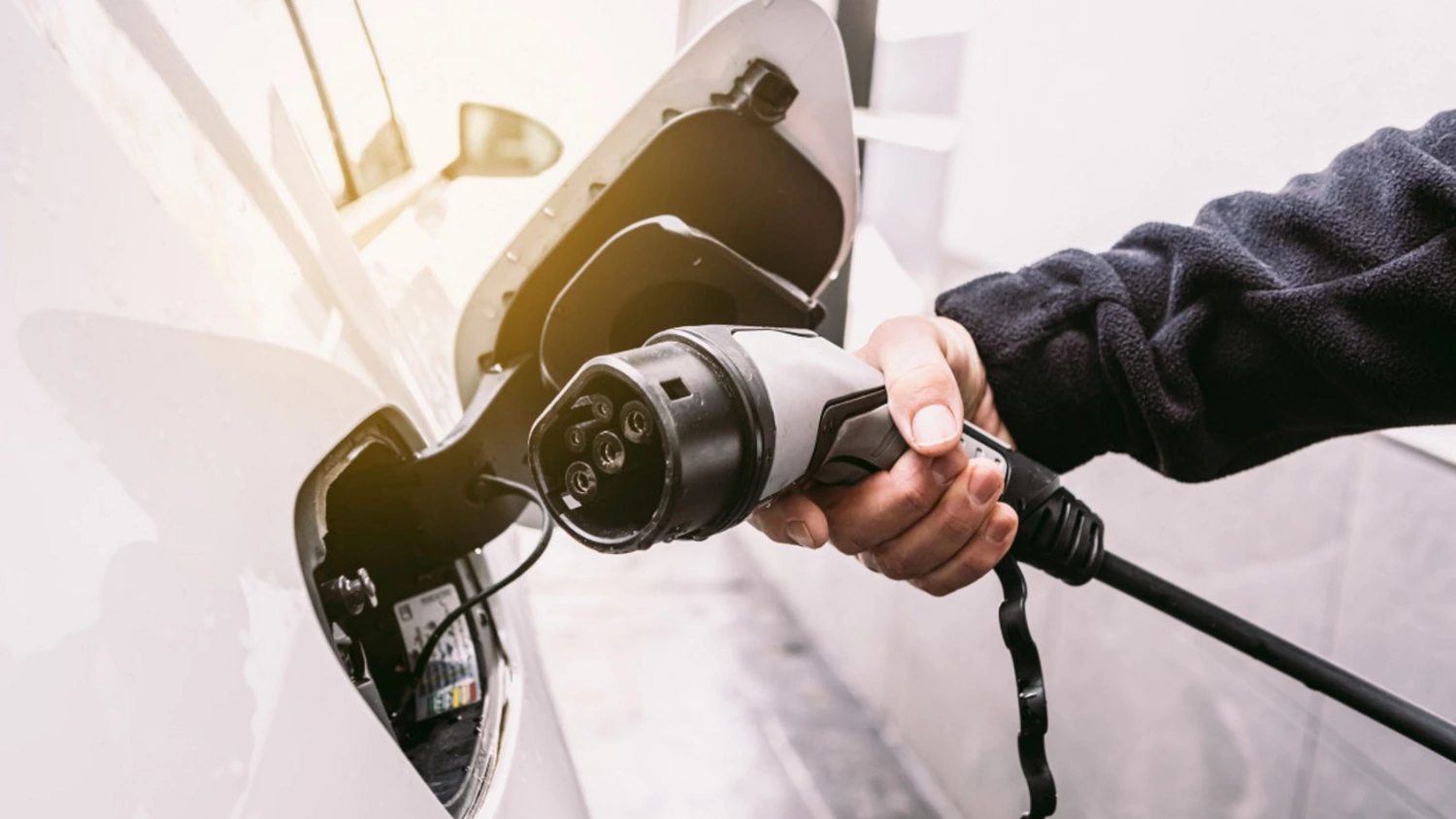
The European Commission has imposed provisional countervailing duties on imports of battery electric vehicles (BEVs) from China.
Rezolv Energy has signed a 10-year Virtual Power Purchase Agreement (VPPA) in Romania with Bekaert.
Kaufland Romania will focus on expanding the range of sustainable products, collecting and packaging recycling, reducing food waste, and strengthening internal and external communication on sustainability.

The European Union has reached a provisional agreement to reduce the scope and stringency of two major ESG regulatory frameworks: Corporate Sustainability Reporting Directive (CSRD) and Corporate Sustainability Due Diligence Directive (CSDDD).
Waldevar Energy has begun construction on two utility-scale photovoltaic parks for Doral Energy in Tudor Vladimirescu (Brăila County) and Ștefan Vodă (Călărași County), Romania. The projects will deliver 14 MWp of installed capacity using around 25,000 photovoltaic panels.
Lidl Romania has published its eighth sustainability report for the 2024 financial year, announcing accelerated progress in reducing environmental impact. The retailer has achieved its international 2030 target for transitioning to natural refrigerants, with these now used in 100% of logistics centres and 81.7% of stores, compared to the original goal of 100% of logistics centres and 40% of stores. The company has also increased its green energy usage to 80% of total consumption.
Global law firm Dentons has advised OX2 on acquiring three wind power projects totaling 235 MW in Romania from Future Power. The projects, located in Vaslui and Vrancea counties, are expected to be commissioned between 2028 and 2030, subject to permitting.
Romania is emerging as a key destination for Turkish renewable energy investments, attracting growing interest from industrial and financial groups. Real grid connection opportunities for projects, infrastructure modernisation potential, and investment framework stability make Romania strategic for Turkish capital as Europe accelerates its transition to sustainable sources and energy independence.