
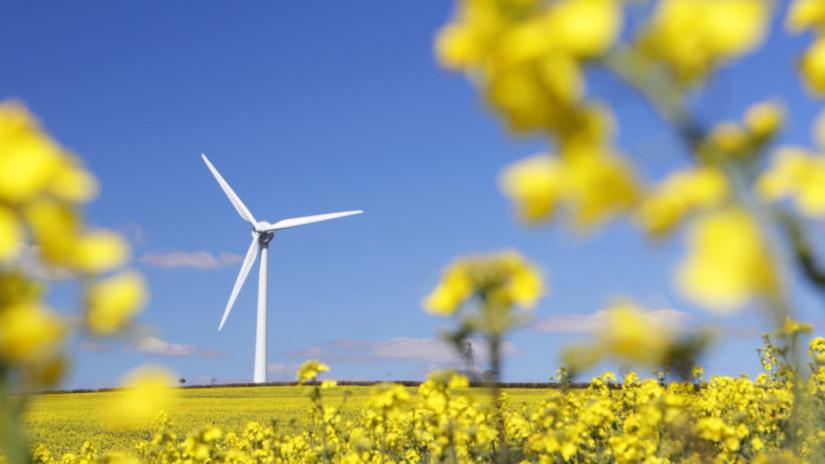


The EU aims to increase its wind energy capacity from 220 GW today to 425 GW by 2030 and 1,300 GW by 2050. Wind energy is crucial for energy security, affordable electricity, and industrial competitiveness. The recent revision of the Renewable Energy Directive includes important reforms to streamline permitting procedures for new wind farms, which are already having an impact in the Member States that have implemented them on time.
The new primary bottleneck for wind and other renewables is grid access. Over 500 GW of potential wind energy capacity in countries such as France, Germany, Italy, Spain, Poland, Romania, Ireland, Croatia, and the UK are awaiting grid connection assessments. Italy and the UK each have more than 100 GW of projects in the queue.
The EU recognizes the importance of grid expansion for the growth of renewables and the electrification of the energy system. The new EU Grid Action Plan outlines key measures to accelerate the expansion and optimization of Europe's electricity grids. According to WindEurope CEO Giles Dickson, "Grid access is the new permitting bottleneck. The system is clogged, holding back hundreds of gigawatts of wind farms, which means less energy security and higher power prices."
The WindEurope report identifies grid saturation and inefficient grid planning as major causes of delays, with national grid expansion targets often not aligned with the 2030 renewables expansion targets in Member States' National Energy and Climate Plans (NECPs). To speed up grid expansion, countries should apply the principle of overriding public interest (OPI) to the permitting of grid infrastructure, whether for connecting renewables or for broader grid reinforcement.
Giles Dickson notes that OPI for new wind farms has been successful in countries like Germany, which have quickly increased permitting volumes. He argues that OPI should also be applied to grid infrastructure to facilitate the transport of electricity.
Immediate actions are needed to address grid access queues. Currently, most European countries use a “first come, first served” approach, which leads to excessive queues and backlogs by including immature and speculative projects. This approach increases administrative burdens and delays for more mature projects. Instead, grid permitting authorities should apply filtering and prioritization criteria to manage grid connection requests more effectively, reducing the number of projects in the queue and ensuring a balanced allocation of grid capacity to all strategic net-zero technologies.
Some countries already use filtering criteria, such as stricter entry requirements, financial commitments to reserve grid capacity, and regular checks on project progress. France, Norway, Spain, and the UK have implemented a “milestone achievement” principle to manage their waiting lists dynamically. Additionally, Spain, Ireland, and Greece are experimenting with prioritization criteria, such as prioritizing projects that co-locate different generation technologies and/or storage or those with advanced grid support capabilities. This would lead to more efficient grid connection use and incentivize developers to optimize the use of available grid capacity.