Energy | 29 August, 2024 at 8:00 PM
E.ON Romania installs 3,500 PV systems for residential customers
E.ON Energie Romania installed over 3,500 photovoltaic systems for residential customers in the first eight months of this year.

E.ON Energie Romania installed over 3,500 photovoltaic systems for residential customers in the first eight months of this year.

Global energy investment is expected to surpass €2.8 trillion for the first time, with €1.9 trillion allocated to clean technologies such as renewables, electric vehicles, and nuclear power.
MET Group inaugurated its second solar power plant in the Eastern Hungarian town of Kaba.

European non-reimbursable funding for the energy sector has exceeded €14 billion, with €5.5 billion allocated to green energy production and €1.5 billion earmarked for the transport and distribution of electricity.

Nofar Energy has acquired 100% of the shares in Aviv Renewable Investment. This project company is currently developing a 160 MW photovoltaic park in Giurgiu County.

Romania's Energy Minister Sebastian Burduja signed three financing contracts under the Modernization Fund for projects focused on developing renewable energy production capacities for self-consumption.

The Turkish company Smart Solar Technologies will build a factory in Bulgaria for the production of solar cells and panels.

Chimcomplex Borzesti, a prominent Romanian chemical producer, is set to establish a large-scale industrial hub known as the Iasi Biochemistry Plant.

In the first part of this year, UniCredit set sustainability targets to further reduce both its direct environmental impact and the exposure of its loan portfolio to controversial sectors.

DRI, a subsidiary of the DTEK Group that develops renewable energy projects in the EU, is building a new 60MW solar park in Glodeni, Mureș County.

NEPI Rockcastle will invest about €100 million in greenfield photovoltaic projects in several areas in Romania to expand its green energy generation capacity.

EBRD and Raiffeisen Bank International are jointly providing€110 million to finance the construction and operation of two solar photovoltaic power plants.
Solar power generation is increasing more rapidly in Central and Eastern Europe than in any other region on the continent, outpacing the growth seen in wealthier and sunnier areas.

BRD Groupe Société Générale has entered into a new partnership agreement with the European Investment Fund (EIF) to guarantee loans that finance sustainable projects.

This deal will support Nala Renewables' €214 million acquisition and development of a 99.2 MW onshore wind project in eastern Romania.

In the first quarter of 2024, the EU economy's greenhouse gas emissions were estimated at 894 million tonnes of CO2-equivalents.

In 2022, hard coal for the first time was overtaken by solar energy in electricity generation in the EU.

A new photovoltaic park is set to be constructed at Iași Airport, Romania, spanning five hectares.

Wind and solar power have reached a share of 30% of European Union (EU) electricity generation, overtaking fossil fuels for the first time.

Hidroelectrica Group experienced a decline in operational and financial performance during the first half of 2024 compared to the same period in 2023.
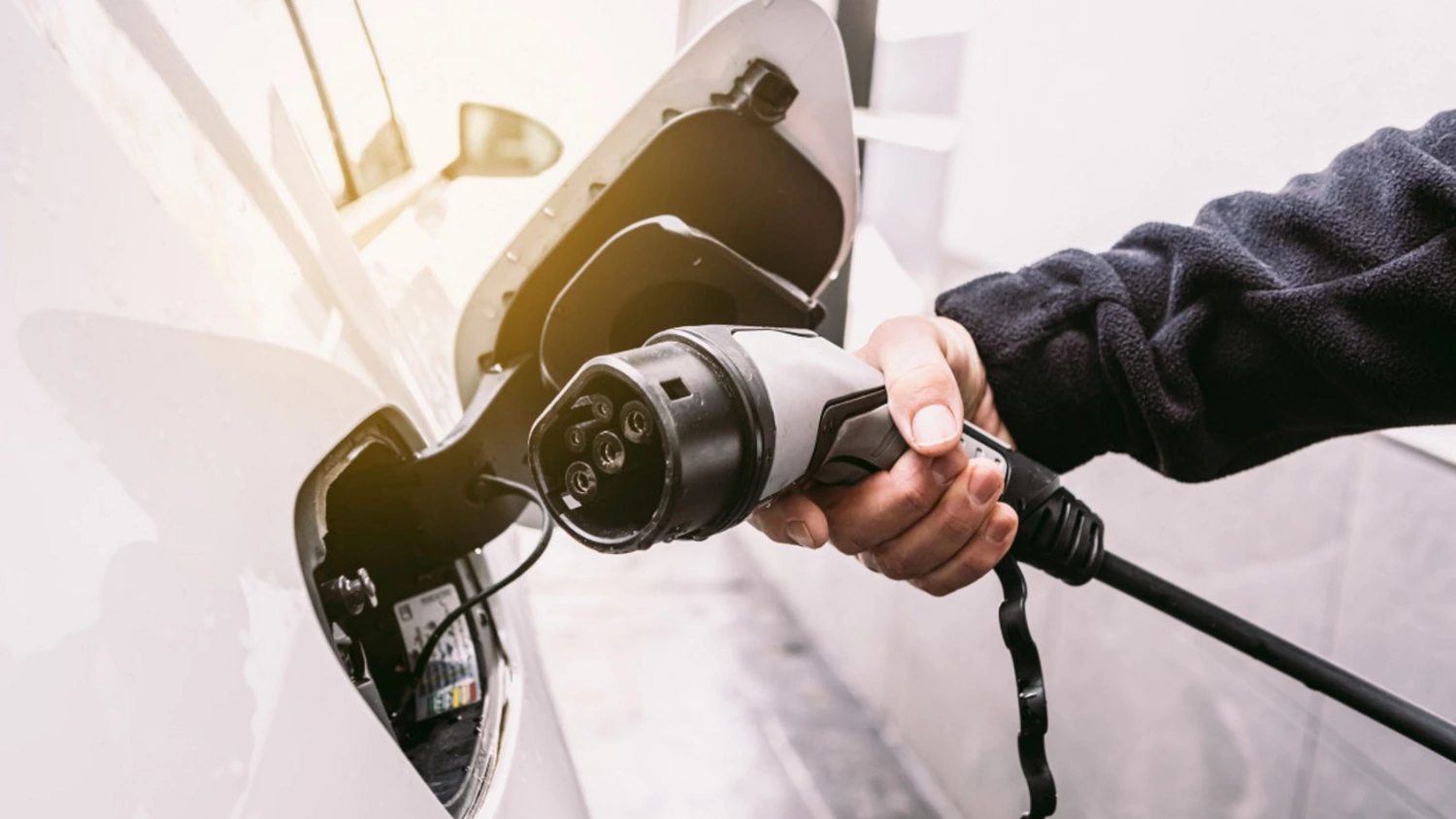
The European Bank for Reconstruction and Development is providing €35 million to GreenWay as part of a €113 million financing package to expand electric vehicle charging infrastructure across Central Europe.
The newly published Edition 2 2026 of the PV Module Manufacturer Ranking Report shows the first signs of stabilisation in the solar manufacturing sector's balance sheets after more than a year of steady deterioration. The table tracks the Altman Z-Score, a widely used measure of bankruptcy risk, for 64 publicly listed photovoltaic module manufacturers, and has now been refreshed with first-quarter 2026 data.
The Faculty of Hydrotechnics from the Technical University of Civil Engineering Bucharest and Waldevar Floating PV have signed a strategic partnership to accelerate innovation in renewable energy and prepare the next generation of specialists in floating photovoltaic technologies.
Join Lisa Chase and Tjidsger Wierda for a workshop on 28 May
Rezolv Energy has commissioned the St. George solar park in Silistra, Bulgaria, marking the company's first project to become operational. The 225 MW facility reached full operational status in under three years from acquisition of development rights.