

These projects, named Iepuresti and Ghimpati, reflect growing confidence in Romania's renewable energy sector, spurred by recent regulatory changes that support the country's ambitious green energy goals.
The financing package includes a €55 million loan from the EBRD, which will be matched by an equal amount from Raiffeisen Bank International. This funding will be disbursed in two tranches: €25 million and €30 million. The first tranche will be partially backed by a first-loss guarantee from the European Union under the InvestEU program.
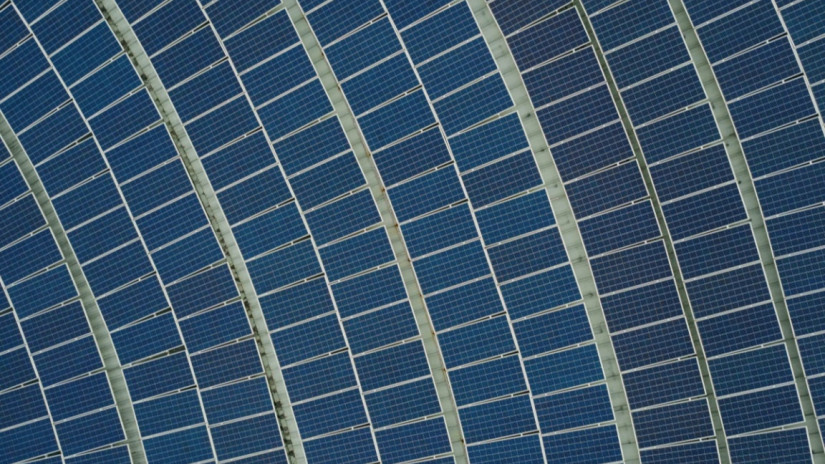
The solar power plants are expected to generate 386 GWh of renewable electricity annually, offsetting around 160,000 tonnes of carbon dioxide emissions each year. The electricity generated will be sold on the local market.
Grzegorz Zielinski, EBRD Head of Energy Europe, stated, "We are thrilled to support Nofar Energy's renewable energy investments in Romania, with the backing of the InvestEU guarantee. These solar plants will enhance Romania's renewable capacity, aiding the country's goal to add 11.9 GW of new renewable capacity by 2030."
Favi Stelian, CEO of Nofar Energy Romania, commented, "This achievement marks a significant milestone in Nofar's ongoing journey of growth and excellence. The successful completion of these projects will play a pivotal role in advancing Romania's ambitious decarbonization goals, contributing to a greener future for the region."
After a decade of limited investment, Romania's renewable energy sector is now experiencing renewed momentum. The EBRD plays a crucial role in supporting the country's green transition, which is vital not only for environmental improvement but also for bolstering energy security, particularly in the context of Russia's war on Ukraine.
Romania's heightened ambition for renewable energy is aligned with EU-wide commitments under the Fit for 55 and REPowerEU initiatives, which aim to boost renewable energy production and reduce emissions. In 2023, Romania set a target to increase the share of renewables in its total energy consumption from 24.3% in 2019 to 36.2% by 2030, adding 11.9 GW of new renewable capacity.
The Iepuresti and Ghimpati projects are owned by RTG Solar Energy and Solis Imperium, both limited liability companies based in Romania and majority-owned by OY Nofar Energy, an Israeli renewable energy company listed on the Tel Aviv Stock Exchange.