

These legislative measures are strategically crafted to fortify energy supplies, particularly in the face of disruptions stemming from geopolitical tensions, such as the Russian conflict with Ukraine, while also addressing the imperatives of climate change. During negotiations with the Council on the directive, MEPs emphasized the importance of securing provisions about transparency, consumer rights, and assistance for vulnerable populations facing energy poverty. The directive garnered robust support in the Plenary, receiving 425 votes in favor, with 64 against and 100 abstentions.
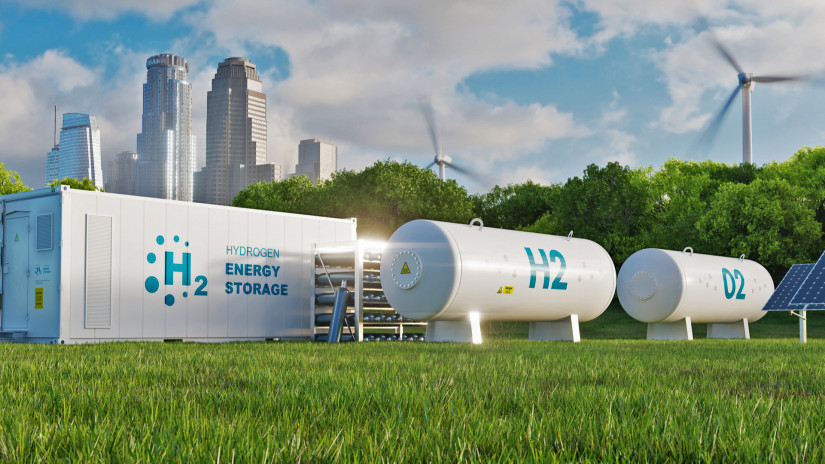
Concurrently, the newly adopted regulation, endorsed with 447 votes in favor, 90 against, and 54 abstentions, seeks to enhance mechanisms for fair pricing and stable energy provision, empowering member states to enact limitations on gas imports from Russia and Belarus. This legislation will introduce a collaborative gas purchasing system to mitigate intra-EU competition, alongside a pilot initiative aimed at fortifying the EU's hydrogen market over a five-year span.
Moreover, the regulation underscores a commitment to ramping up investments in hydrogen infrastructure, particularly in regions reliant on coal, while promoting a transition toward sustainable energy sources like biomethane and low-carbon hydrogen.
In response to these developments, lead MEPs on the directives highlighted the pivotal role assigned to Europe's steel and chemical industries in steering the development of a European hydrogen market. They underscored the significance of this endeavor in facilitating the phasing out of fossil fuels from industrial processes, fostering European competitiveness, and safeguarding jobs within a sustainable economic framework. Additionally, they stressed the alignment of unbundling rules for hydrogen network operators with established best practices in the gas and electricity sectors.
Lead MEP Jerzy Buzek, commenting on the regulation, emphasized its transformative potential in recalibrating the energy landscape towards a reliance on green electricity and green gases, thereby advancing the EU's ambitious climate objectives and bolstering its global competitiveness. Notably, the regulation introduces a legal mechanism enabling EU countries to cease gas imports from Russia in response to security threats, offering a strategic tool to reduce dependence on precarious monopolistic entities.
The next procedural steps entail formal adoption by the Council before publication in the Official Journal.