NXP Semiconductors N.V. announced that it has secured a €1 billion loan from the EIB to advance the company's RDI investments across its broad portfolio of semiconductor solutions.
Stellantis and CATL have finalized an agreement to establish a joint venture for the construction of a major lithium iron phosphate (LFP) battery factory in Zaragoza, Spain.
Mercedes-Benz Vans CEE is joining forces with energy solutions provider E.ON to transform the electric vehicle (EV) landscape across Romania, the Czech Republic, Slovakia, and Hungary.
The European Commission and the European Investment Bank (EIB) announced a new partnership to support investments in the EU's battery manufacturing sector.
The European Bank for Reconstruction and Development (EBRD) will invest €9 million in a €30 million sustainability-linked bond issued by Autonom, a Romanian car leasing and rental company.
EU and Chinese representatives will explore alternatives to the tariffs imposed on Chinese electric vehicles, including setting minimum prices for these vehicles in Europe.
EIB will lend €300 million to the Czech Republic's national railway operator, České dráhy, to buy new train carriages and locomotives as well as upgrade existing ones.
Europe needs to spend €39 billion in public money every year to maintain the continent's competitiveness and ensure that green transport tech is made in Europe.
EU's proposal to impose definitive countervailing duties on imports of battery electric vehicles from China has obtained the necessary support from EU Member States for the adoption of tariffs.
The Lille Metropolitan area (Métropole européenne de Lille) has been awarded a green loan of €245 million by the European Investment Bank (EIB) to fund its public transport network and cycling paths.
New car sales in the European Union dropped by 18.3% last month, with major markets like Germany, France, and Italy experiencing double-digit declines in EV sales.
Electric cars (BEV) will reach 20-24% market share in 2025, according to Transport & Environment (T&E) modeling based on sales in the first half of this year and sales forecasts.
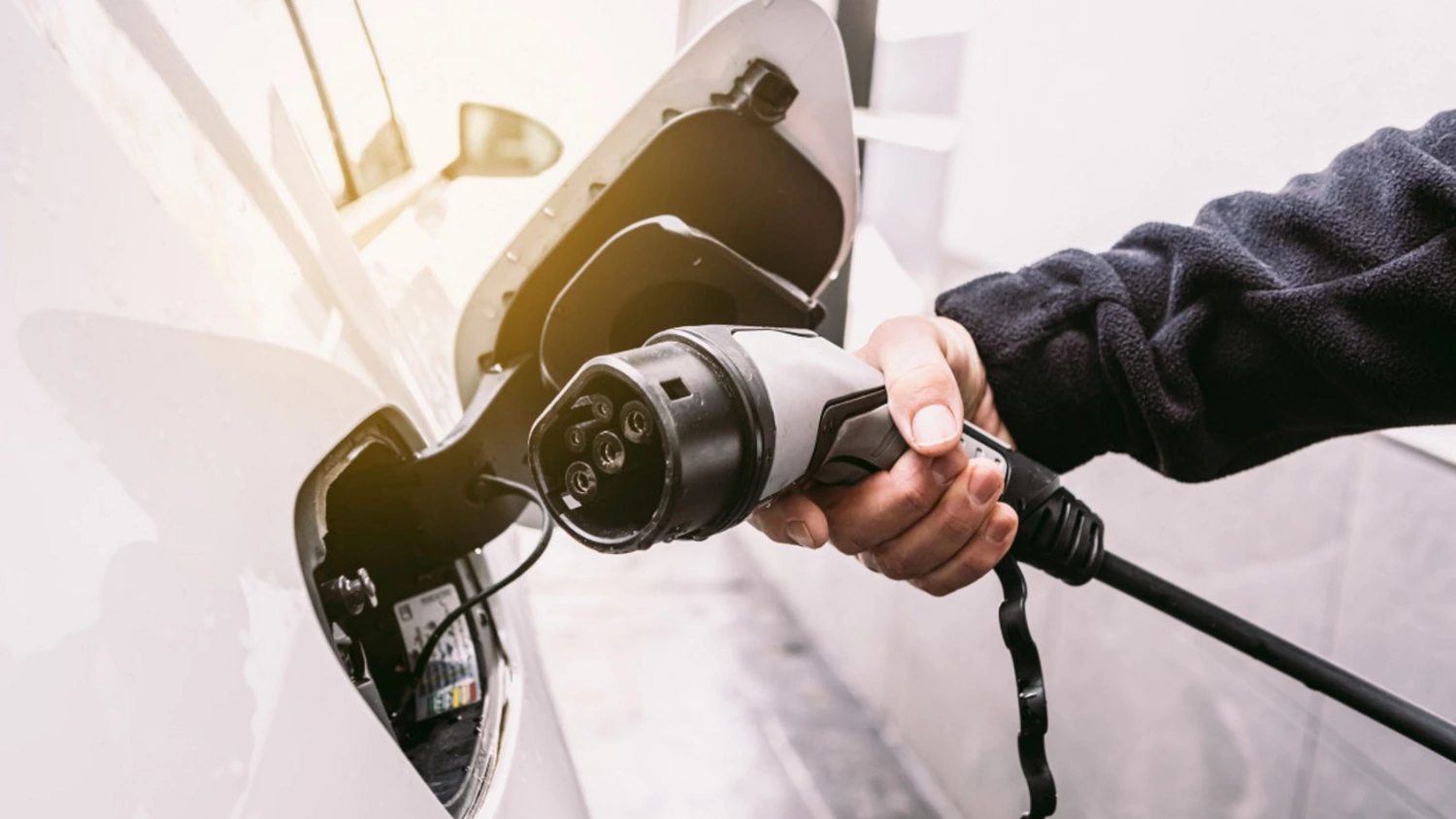
The European Bank for Reconstruction and Development is providing €35 million to GreenWay as part of a €113 million financing package to expand electric vehicle charging infrastructure across Central Europe.
The newly published Edition 2 2026 of the PV Module Manufacturer Ranking Report shows the first signs of stabilisation in the solar manufacturing sector's balance sheets after more than a year of steady deterioration. The table tracks the Altman Z-Score, a widely used measure of bankruptcy risk, for 64 publicly listed photovoltaic module manufacturers, and has now been refreshed with first-quarter 2026 data.
The Faculty of Hydrotechnics from the Technical University of Civil Engineering Bucharest and Waldevar Floating PV have signed a strategic partnership to accelerate innovation in renewable energy and prepare the next generation of specialists in floating photovoltaic technologies.
Rezolv Energy has commissioned the St. George solar park in Silistra, Bulgaria, marking the company's first project to become operational. The 225 MW facility reached full operational status in under three years from acquisition of development rights.