EVs and hybrids gain ground in EU

Green Forum
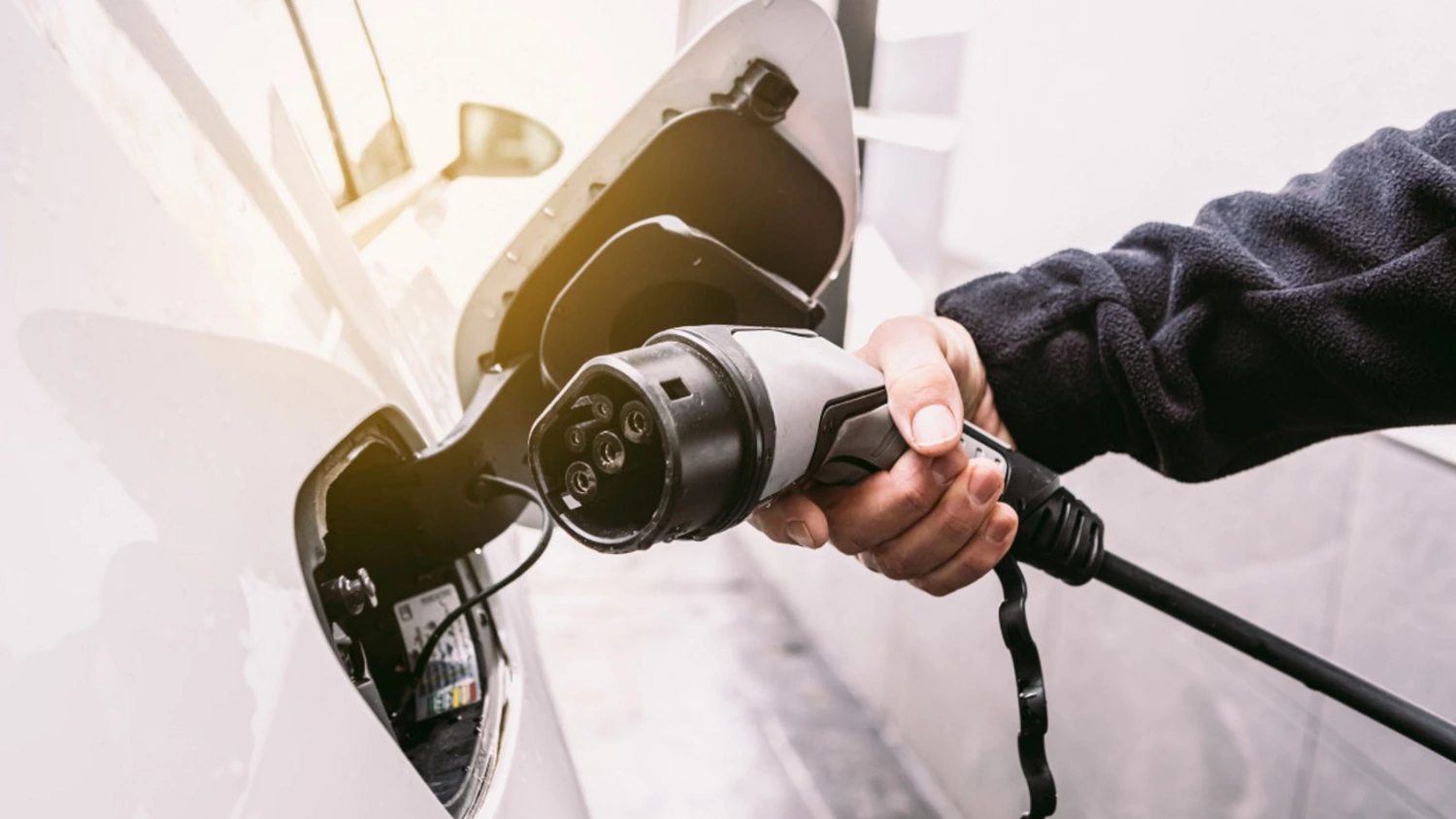
Up until April 2025, battery-electric vehicles (BEVs) accounted for 15.3% of the total EU market share, signifying an increase from the low baseline of 12% in April 2024 YTD. 

Hybrid-electric vehicles surged, capturing 35.3% of the market and remaining the preferred choice among EU consumers. Meanwhile, the combined market share of petrol and diesel cars fell again to 38.2%, down from 48.4% over the same period in 2024, according to the European Automobile Manufacturers' Association.

In the first four months of 2025, new battery-electric car sales grew by 26.4%, to 558,262 units, capturing 15.3% of the total EU market share. Three of the four largest markets in the EU, accounting for 63% of all battery-electric car registrations, recorded robust gains: Germany (+42.8%), Belgium (+31.3%), and the Netherlands (+6.4%). This contrasted with France, which saw a decline of 4.4%, despite the recovery seen in April 2025.

April 2025's YTD figures also showed new EU registrations of hybrid-electric cars rising by 20.8%, driven by significant growth in the four biggest markets: France (+44.9%), Spain (+35.8%), Italy (+15%), and Germany (+11%). This led to 1,285,486 units being registered in the first four months of 2025, representing 35.3% of the total EU market share.

Registrations of plug-in-hybrid electric cars grew by 7.8% in April 2025 YTD, to a total of 287,850 units. This was driven by significant increases in volume for key markets such as Germany (+46.6%) and Spain (+42.8%). As a result, plug-in-hybrid electric cars now represent 7.9% of total car registrations in the EU, up from 7.2% in April 2024 YTD.

Furthermore, in April 2025's YOY variation showed a rise of 34.1% for battery-electric and 20.8% for hybrid-electric cars, while plug-in-hybrid electric recorded a strong 31.2% growth.

RECOMMENDED
RECOMMENDED FROM THE HOME PAGE
Industry

Lidl Romania exceeds 2030 sustainability targets early

Lidl Romania has published its eighth sustainability report for the 2024 financial year, announcing accelerated progress in reducing environmental impact. The retailer has achieved its international 2030 target for transitioning to natural refrigerants, with these now used in 100% of logistics centres and 81.7% of stores, compared to the original goal of 100% of logistics centres and 40% of stores. The company has also increased its green energy usage to 80% of total consumption.

Energy

Dentons advises OX2 on 235 MW Romanian wind acquisition

Global law firm Dentons has advised OX2 on acquiring three wind power projects totaling 235 MW in Romania from Future Power. The projects, located in Vaslui and Vrancea counties, are expected to be commissioned between 2028 and 2030, subject to permitting.

Energy

Turkish investors pour millions into Romanian green energy

Romania is emerging as a key destination for Turkish renewable energy investments, attracting growing interest from industrial and financial groups. Real grid connection opportunities for projects, infrastructure modernisation potential, and investment framework stability make Romania strategic for Turkish capital as Europe accelerates its transition to sustainable sources and energy independence.

Business

Cost remains main driver and biggest barrier in sustainability

51% of Romanian entrepreneurs see sustainability as a way to reduce operational costs, yet the same proportion say implementation is too expensive, according to a new study by BRD Groupe Société Générale. Conducted among micro and small-to-medium enterprises, the research outlines how Romanian entrepreneurs perceive the opportunities and challenges of transitioning to sustainable business models.

READ MORE
Green Forum  |  11 December, 2025 at 11:36 AM