

This initiative aligns with the objectives of the Green Deal Industrial Plan, designed to propel the transition towards a net-zero economy. Approval for the scheme was granted within the framework of State aid Temporary Crisis and Transition Framework, initially established by the Commission on March 9, 2023, and subsequently amended on November 20, 2023. This framework aims to support initiatives within sectors pivotal for accelerating the transition to sustainable practices while diminishing reliance on fossil fuels.
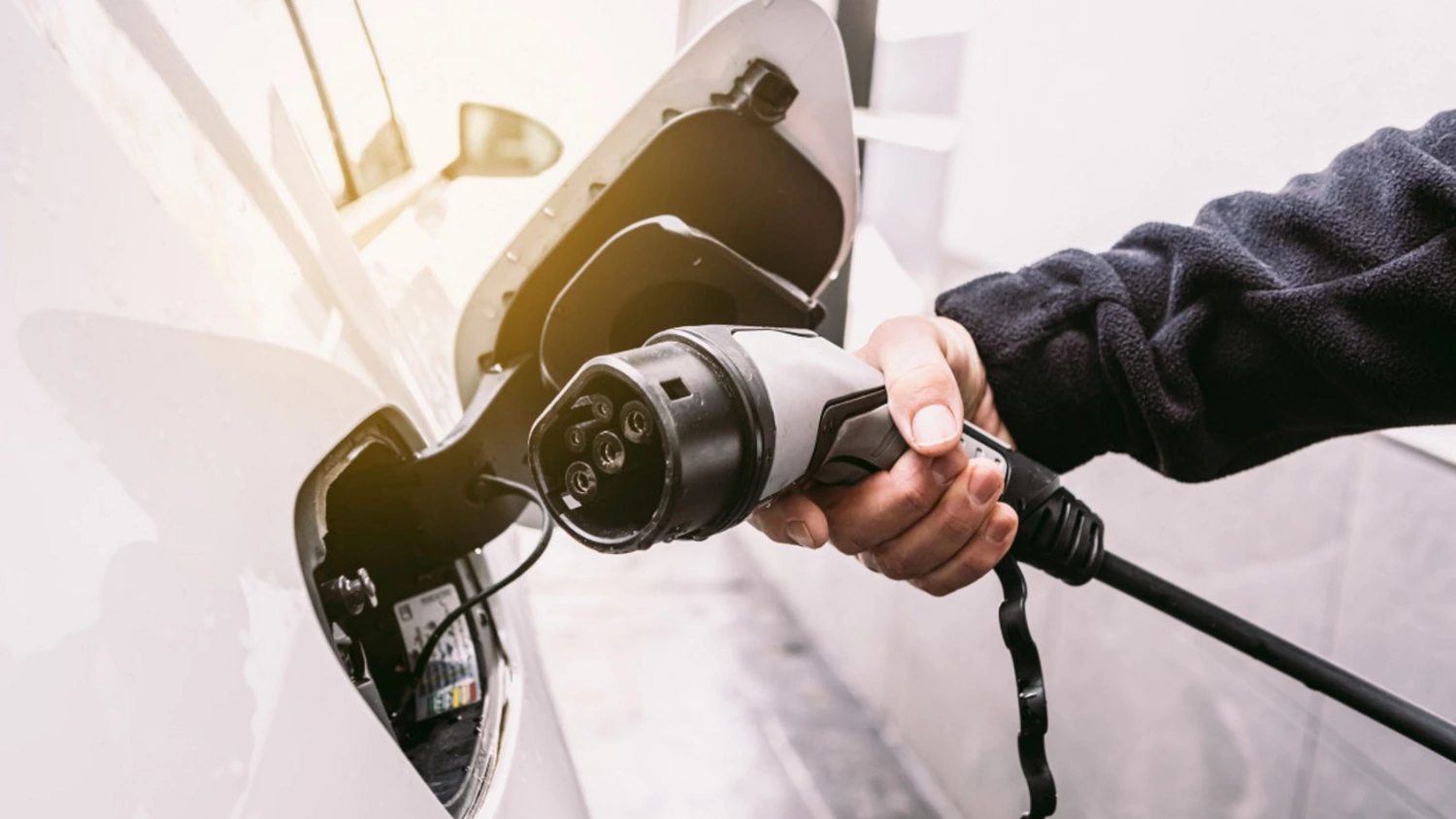
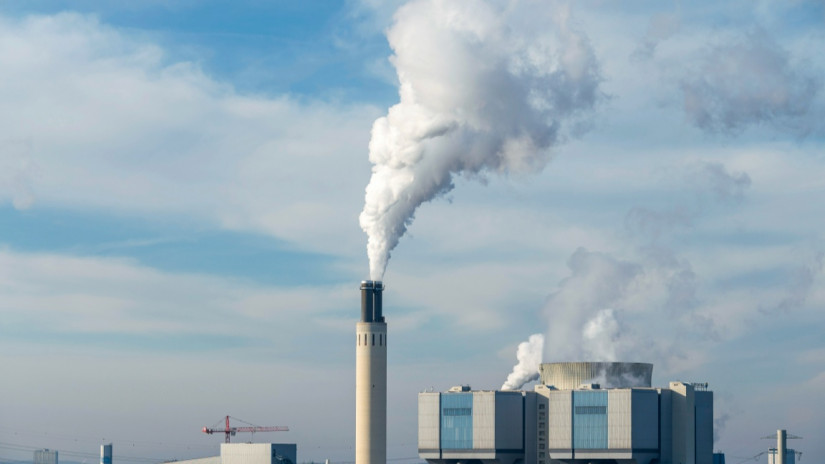
Germany's proposal, submitted under the Temporary Crisis and Transition Framework, outlines a €2.2 billion plan. It seeks to facilitate investments in two key areas: (i) the electrification of industrial processes, and (ii) the adoption of renewable hydrogen or renewable hydrogen-derived fuels to replace fossil fuels. These endeavors are intended to drive the shift towards a net-zero economy.
The aid provided through this scheme will primarily take the form of direct grants. Eligibility for support extends to companies within Germany's industrial sector that currently rely on fossil fuels for energy or production feedstock. Projects deemed eligible must demonstrate a minimum 40% reduction in greenhouse gas emissions compared to current levels. To qualify, companies must transition their production processes to either electric-based or renewable hydrogen-based systems.
The Commission's assessment determined that Germany's proposal aligns with the stipulations outlined in the Temporary Crisis and Transition Framework. Specifically, the aid per beneficiary will not exceed €200 million, and disbursements must occur before December 31, 2025. Additionally, stringent conditions will be imposed to ensure tangible reductions in emissions and prevent unfair competition. For activities covered by the EU Emission Trading System (ETS), emissions reductions must surpass the relevant ETS benchmarks applicable at the time of aid distribution. Moreover, beneficiaries will be restricted from expanding production capacity beyond 2%.
In its evaluation, the Commission concluded that Germany's initiative is essential, fitting, and proportional in accelerating the transition towards sustainability. It also facilitates the growth of crucial economic sectors vital for the implementation of the REPowerEU Plan and the Green Deal Industrial Plan. Accordingly, the Commission approved the aid measure under EU State aid regulations.