Share of renewables in transport to increase slightly

Green Forum
In 2022, the share of renewables in transport reached 9.6% at the EU level, an increase of 0.5 percentage points (pp) compared to 2021 (9.1%), but still 0.7 pp below the highest level ever reached in 2020 (10.3%), according to the Eurostat data. 

This means a major boost is needed to reach the 29% target set for 2030 by the EU Directive 2023/2413 on the promotion of the use of energy from renewable sources, Eurostat notes. This directive also gives countries the opportunity to reach another target: a reduction in greenhouse gas intensity in transport of at least 14.5% by 2030.

Sweden leads the way in share of renewables in transport

Sweden (29.2%) is by far the EU country with the highest share of renewables in transport and has already reached the 2030 target. Finland (18.8%) also has a very high share, although it would need to increase by about 10 pp if it were to meet the 2030 target for the share of renewable energy. The two Nordic countries are followed by the Netherlands, Malta, Belgium, Denmark, Austria, Italy, Germany and Spain, all with a share of around 10%. Romania is below the EU average.

On the other hand, the lowest shares were recorded in Croatia (2.4%), Latvia (3.1%) and Greece (4.1%).

The highest increases from 2021 to 2022 were recorded in Germany (+1.9 pp), the Netherlands (+1.8 pp) and Hungary (+1.6 pp), but even if maintained until 2030, these rates are insufficient to reach the target. On the other hand, the largest decreases were recorded in Croatia (-4.6 pp), Latvia (-3.3 pp) and Slovenia (-2.8 pp).

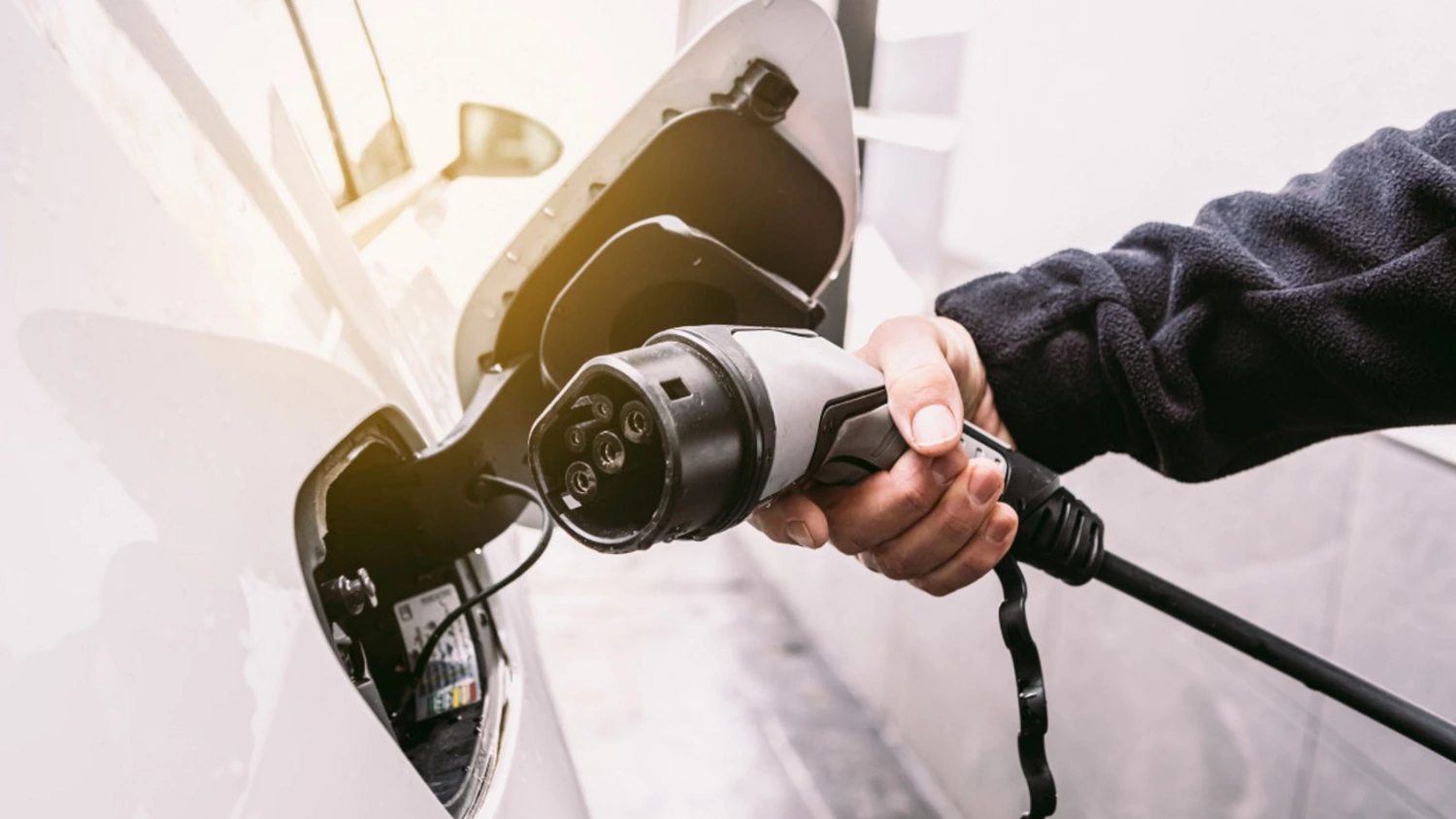
Renewable energy sources consumed in transport include liquid biofuels (biodiesel meeting certain sustainability and greenhouse gas emission reduction criteria), biomethane (gas from renewable sources) and the share of renewable electricity consumed in road and rail transport.

RECOMMENDED
RECOMMENDED FROM THE HOME PAGE
Industry

Lidl Romania exceeds 2030 sustainability targets early

Lidl Romania has published its eighth sustainability report for the 2024 financial year, announcing accelerated progress in reducing environmental impact. The retailer has achieved its international 2030 target for transitioning to natural refrigerants, with these now used in 100% of logistics centres and 81.7% of stores, compared to the original goal of 100% of logistics centres and 40% of stores. The company has also increased its green energy usage to 80% of total consumption.

Energy

Dentons advises OX2 on 235 MW Romanian wind acquisition

Global law firm Dentons has advised OX2 on acquiring three wind power projects totaling 235 MW in Romania from Future Power. The projects, located in Vaslui and Vrancea counties, are expected to be commissioned between 2028 and 2030, subject to permitting.

Energy

Turkish investors pour millions into Romanian green energy

Romania is emerging as a key destination for Turkish renewable energy investments, attracting growing interest from industrial and financial groups. Real grid connection opportunities for projects, infrastructure modernisation potential, and investment framework stability make Romania strategic for Turkish capital as Europe accelerates its transition to sustainable sources and energy independence.

Business

Cost remains main driver and biggest barrier in sustainability

51% of Romanian entrepreneurs see sustainability as a way to reduce operational costs, yet the same proportion say implementation is too expensive, according to a new study by BRD Groupe Société Générale. Conducted among micro and small-to-medium enterprises, the research outlines how Romanian entrepreneurs perceive the opportunities and challenges of transitioning to sustainable business models.

READ MORE
Green Forum  |  11 December, 2025 at 11:36 AM