Energy | 30 June, 2023 at 1:30 PM
Simtel Team completes PV project for CTP Romania
Simtel Team completed the largest photovoltaic project built in Romania in a logistics park for CTP Romania.

Simtel Team completed the largest photovoltaic project built in Romania in a logistics park for CTP Romania.

By 2060, global rivers, seas, and oceans could be polluted with 44 million tonnes of plastic, double the current level, estimates a recent report by The Organization for Economic Cooperation and Development (OECD). Plastic is among the packaging most often used by Romanians, but its recycling rate in Romania is only 30.05%, according to the data analyzed by Clean Recycle.

Cluj County Council buys electric minibusses for students from 34 Cluj municipalities, from European funds. The aim is thus to improve transport conditions for students, especially for those from isolated areas with a low population.

OMV Petrom, the largest integrated energy company in Southeast Europe, signed an agreement for the purchase of several projects for the construction of photovoltaic parks in Teleorman County.

ALRO SA, one of Europe's largest vertically integrated aluminum producers, measured by production capacity, inaugurated an $11 million investment in technology and environment protection at its Eco Recycling Facility in Slatina.

Coca-Cola HBC Romania is the first local company, in the FMCG industry to produce a sustainability report to international standards and among the first local companies to publicly present such a report, says Alice Nichita, Corporate Affairs & Sustainability Director at Coca-Cola HBC Romania. She talked to Green Forum about the company's ESG strategy and the company's current sustainability targets and the social initiatives that the company and its employees are involved in.

Romania has a new ecotourism destination: Vama Buzăului, a locality located at the foot of the Ciucaș Mountains, which has just obtained the recognition of the Ministry of Economy, Entrepreneurship and Tourism (MEAT).

The construction sector has a central role in achieving the climate and energy objectives set by the EU EPBD Directive and approved by the European Parliament in March this year, with deadlines for 2030 and 2050 respectively. According to the Association for the Promotion of Energy Efficiency in Buildings (ROENEF), the construction sector represents approximately 8.2% of the EU GDP, respectively 10% of total employment.

Vascar, one of the main producers of meat preparations and preserves in Romania, installed a system of photovoltaic panels worth RON3 million (€600,000) close to the production unit in Vaslui. The project consists of 1,400 panels, on an area of 12,000 sqm, with an installed power of 770 kWp, the company says in a press release.

Eurohold Bulgaria has commissioned the 123 MW Verila solar park located in Dupnitsa in southwest Bulgaria, according to Enerdata. Eurohold is the group that owns the bankrupt Euroins Romania insurance company. The photovoltaic power plant is currently the largest in Bulgaria.

78 million tons of clothes become waste every year, with serious consequences for the environment. Clothing production has doubled in recent years due to overconsumption. We throw away an average of 11 kg of clothes annually, after only 7 wears. Humana People to People representatives draw attention to the negative impact that the overconsumption of such products has on the environment and, ultimately, on people's health.

In a national first, energy poverty in small towns in Romania will be investigated. The Center for the Study of Democracy (CSD), the initiator of the Romanian Energy Poverty Observatory (ORSE), has started, for the first time in the country, a pilot research project on energy poverty in small urban areas, an area at the intersection between big cities and the countryside. The objectives of the research are to identify how energy poverty manifests itself in small towns, which are the main challenges, but also which are the important actors and the specific solutions to reduce this phenomenon.
The County Council is submitting a funding request for the purchase of green school microbuses. During the meeting of the Mehedinți County Council, a funding request was approved that will be submitted this week in order to attract European funds for the purchase of electric minibusses for schools in Mehedinți County.

35 tons of oil products leaked from a ship under the Bulgarian flag on the main course of the Danube, near Cělarevo (Serbia), at km 1287. This information was received by the Ministry of the Environment, Waters and Forests, and the National Administration "Romanian Waters" - Department of Emergency Situations, through the secretary for border waters within the Romania-Serbia bilateral agreement, in the afternoon of June 20.

Nuclearelectrica avoids the release of 10 million tons of CO2 every year by producing clean energy. 205 million tons of CO2 were avoided since the commissioning of the first reactor in 1996, says Cosmin Ghiță, CEO of Nuclearelectrica. He talked to Green Forum about Nuclearelectrica's ESG strategy and about the investment projects with a vital role in Romania's decarbonization. He also talked about the sustainable projects that the company ran last year and how Nuclearelectrica contributes to a sustainable future.

Enel X Way Romania, a company of the Enel Group dedicated to electric mobility, is collaborating with retailer Penny for the installation of a network of 64 charging stations for electric vehicles, representing a total of 128 charging points.

Genuin becomes the first Romanian business producing linen fabrics that will recycle its own used materials. Genuin, the 100% European linen home&deco workshop, has acquired production, embroidery, and recycling equipment, which will allow the creation of products in a more efficient way, with an emphasis on sustainability and care for the environment.

CIEH Soda Romania has started the production of solar energy, as a result of an investment of RON1.7 million (€340,000) in a photovoltaic park. The investment marks a new activity in the development process of the company, which currently produces liquid silicates, an important raw material for the tire industry, the detergent industry, and the paper industry, in the production of chemicals used in construction and for materials used in welding.

Kärcher, a company in the field of cleaning technology, has invested almost €100,000 in equipping the headquarters inaugurated last year in Pipera with photovoltaic panels. To date, the company has reduced its costs for conventional consumption by approximately 45%.

A 250 MW wind project in Călărași County received technical approval for connection (ATR) from Transelectrica, the national energy carrier. The commissioning date is December 31, 2025. The project is run by the Gura Ialomiței Solar company.
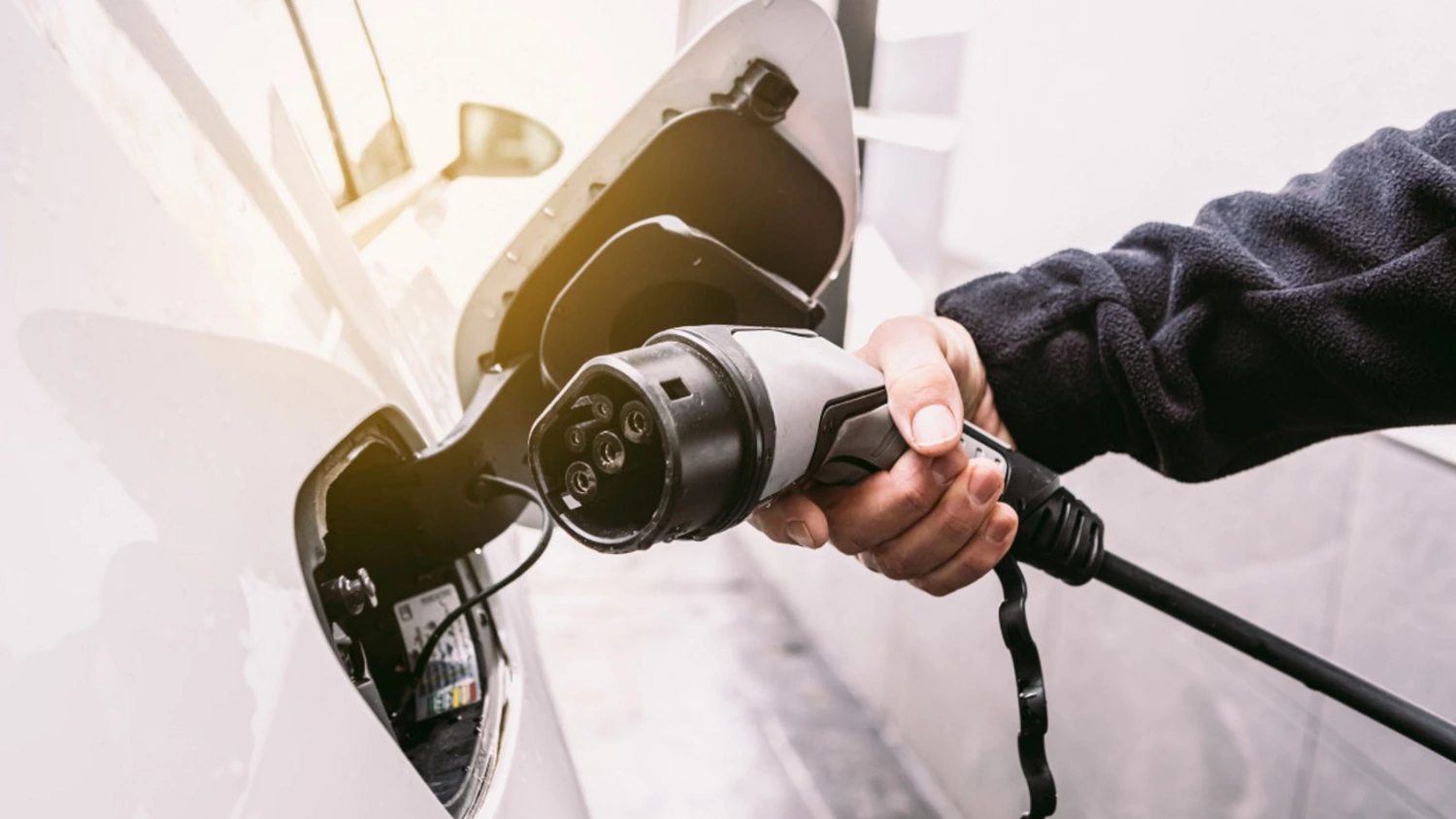
The European Bank for Reconstruction and Development is providing €35 million to GreenWay as part of a €113 million financing package to expand electric vehicle charging infrastructure across Central Europe.
The newly published Edition 2 2026 of the PV Module Manufacturer Ranking Report shows the first signs of stabilisation in the solar manufacturing sector's balance sheets after more than a year of steady deterioration. The table tracks the Altman Z-Score, a widely used measure of bankruptcy risk, for 64 publicly listed photovoltaic module manufacturers, and has now been refreshed with first-quarter 2026 data.
The Faculty of Hydrotechnics from the Technical University of Civil Engineering Bucharest and Waldevar Floating PV have signed a strategic partnership to accelerate innovation in renewable energy and prepare the next generation of specialists in floating photovoltaic technologies.
Join Lisa Chase and Tjidsger Wierda for a workshop on 28 May
Rezolv Energy has commissioned the St. George solar park in Silistra, Bulgaria, marking the company's first project to become operational. The 225 MW facility reached full operational status in under three years from acquisition of development rights.