IT consultancy company SoftServe has reduced direct greenhouse gas emissions by 43% and indirect emissions by 46% in 2022 as part of its 10-year environmental resource efficiency strategy.
The Severnav Shipyard is building its first photovoltaic power plant. It will be located within the premises of the unit and will be built with non-reimbursable funds, through the National Recovery and Resilience Plan.
Parapet, a construction company in the solar energy sector with offices in Cluj-Napoca and Nuremberg, and Blue Line Energy, a renewable energy producer, announced the completion of the construction of a 1.1 MW photovoltaic power plant. The project is installed inside the Beştepe wind park, Tulcea County.
Since the EU has banned single-use plastics across member countries, European FMCG and retail companies have been busy finding alternative solutions for their product portfolios and consumer offerings. We take a look at innovations in this area from Romanian and global companies.
To support the fight against and prevention of plastic pollution, Lidl Romania has invested over RON14.6 million (€2.92 million) in programs developed together with civil society.
Braşov City Hall launched a tender for the development of a photovoltaic park with a power of 20 MW. The maximum value of the purchase exceeds RON90 million (€18 million).
DualStore.ro, an online phone and gadget store and manufacturer of iSEN electric scooters and bicycles, launches iSEN Mobility, the first Romanian application for electric scooters.
Romania established the European Institute for Sustainable Development in Poland. It was created with the aim of supporting the implementation of the UN 2030 Agenda at the level of local communities.
The banking sector in Romania has made notable progress in aligning its practices to evolving ESG standards and regulations aimed to support the EU's ambitious decarbonization targets, says Gyula Fatér, CEO of OTP Bank Romania. He talked to Green Forum about the role that ESG currently plays in the decision-making process at OTP Bank Romania.
TotalEnergies enters the Romanian energy market and buys five photovoltaic park projects from PNE. The parties involved in the transaction have agreed not to disclose the purchase price.
DIY company Brick Romania started a project last year to implement green energy solutions for its work units. The Brick store in Constanța benefited from an investment of RON1 million (€200,000) in photovoltaic panels, which provide approximately 35% of the energy requirement.
iHunt Technology Import Export, a manufacturer of mobile phones and gadgets, has launched a new product from the green energy range, a photovoltaic panel. It was made in collaboration with the Luxen company, a manufacturer of lighting sources.
ROCA Industry, the first Romanian holding company of construction materials companies, part of the ROCA Investments portfolio, announces the launch of the first Sustainability Report, anticipating the European Directive applicable starting from the financial year 2024, regarding corporate sustainability reporting (CSRD).
Hidroelectrica, an energy producer owned by the Romanian state, is preparing for listing on the Bucharest Stock Exchange (BVB). Fondul Proprietatea, the minority shareholder, is selling 17% of the holding (almost 20%), i.e. 78 million shares.
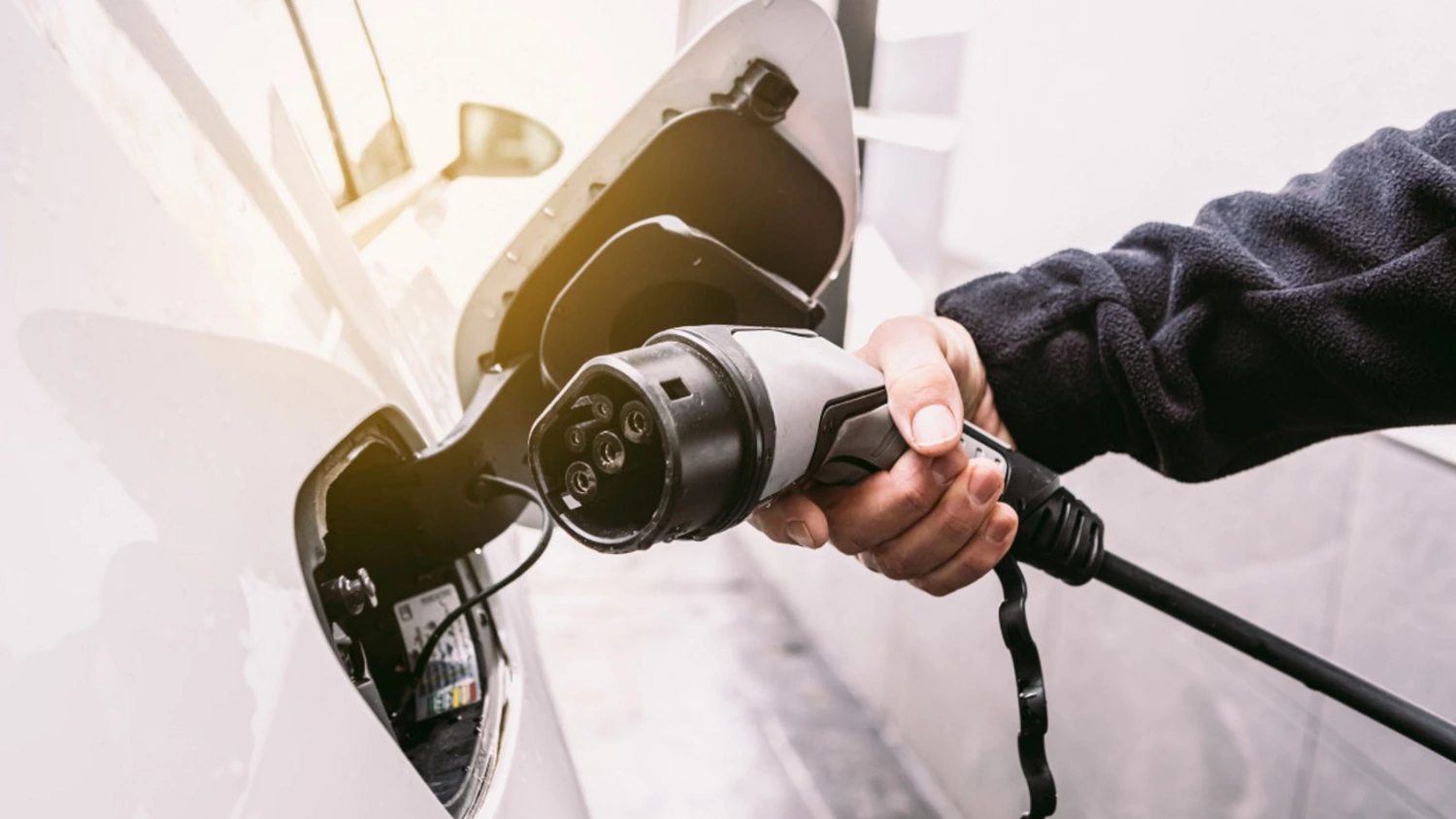
The European Bank for Reconstruction and Development is providing €35 million to GreenWay as part of a €113 million financing package to expand electric vehicle charging infrastructure across Central Europe.
The newly published Edition 2 2026 of the PV Module Manufacturer Ranking Report shows the first signs of stabilisation in the solar manufacturing sector's balance sheets after more than a year of steady deterioration. The table tracks the Altman Z-Score, a widely used measure of bankruptcy risk, for 64 publicly listed photovoltaic module manufacturers, and has now been refreshed with first-quarter 2026 data.
The Faculty of Hydrotechnics from the Technical University of Civil Engineering Bucharest and Waldevar Floating PV have signed a strategic partnership to accelerate innovation in renewable energy and prepare the next generation of specialists in floating photovoltaic technologies.
Rezolv Energy has commissioned the St. George solar park in Silistra, Bulgaria, marking the company's first project to become operational. The 225 MW facility reached full operational status in under three years from acquisition of development rights.