

DSV has committed to achieving net-zero emissions by 2050, adopting roadmaps for its three main business areas: sea and air freight, road transport, and warehouse logistics. "Climate transformation is a complex process, particularly from the logistics industry's perspective," says Agnieszka Kłopotowska, Senior Sustainability Manager at DSV. "However, the fact that something is challenging doesn't exempt us from taking action. As DSV, we feel responsible for the sector's environmental impact."
The Łozienica warehouse near Szczecin houses one of DSV's most advanced logistics centres in Poland. In 2024, it became home to Poland's first multi-client AutoStore automated system. After one year of robot operation, electrical energy demand was reduced by 11% compared to the non-robotised warehouse section. This reduction stems from higher storage density - nearly 2,000 sqm stores volume that would require 12,000 sqm in a traditional facility.
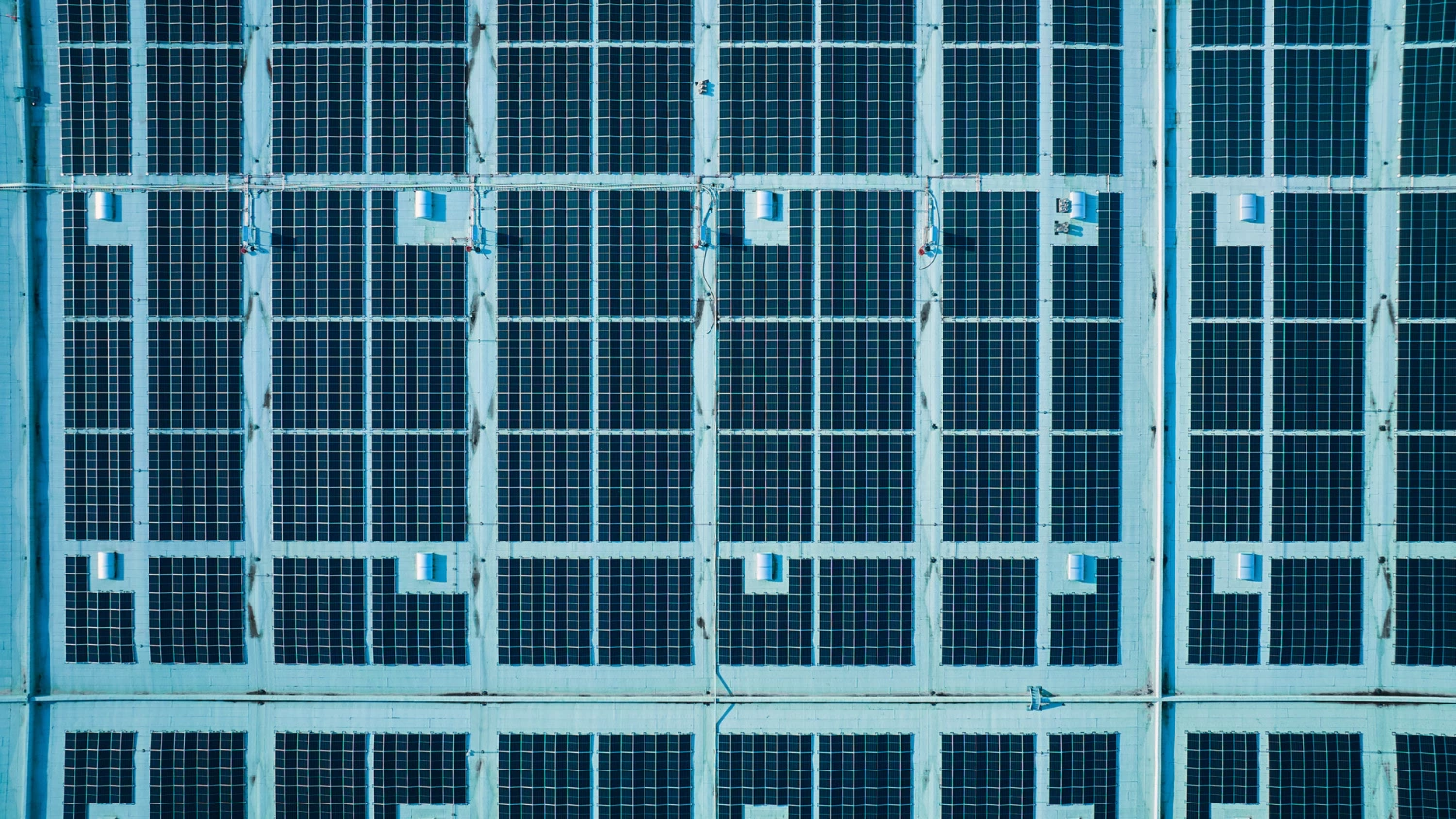
In January 2026, a 120 kWp solar installation was launched on the building's roof in cooperation with Accolade. The system will cover 100% of the robotised storage system's electrical energy needs. Surplus energy will power lighting systems in office and social areas and charge lithium-ion batteries for forklift trucks used in traditional warehouse operations.
"The installation in Szczecin isn't DSV's first such solution in Poland - that title belongs to our Sosnowiec location," says Marcin Muś, Senior Manager Facility and Maintenance at DSV. "However, the Szczecin installation has the highest capacity, comparable to 24 typical residential installations. From early this year to 20 March 2026, we generated 11 megawatt-hours of clean energy." Mirosław Gromek, Transformation & Innovation Manager at Accolade, adds: "We clearly see that tenants increasingly combine operation automation with energy consumption optimisation."