Environment | 24 July, 2023 at 12:10 PM
Raiffeisen Bank Romania to start campaign to manage impact on environment
Raiffeisen Bank Romania is launching new environmental impact management campaigns.

Raiffeisen Bank Romania is launching new environmental impact management campaigns.

The President of Romania, Klaus Iohanis, has promulgated the Law on the integration of hydrogen from renewable sources and with low carbon emissions in the industry and transport sectors.

The process of obtaining all the authorizations necessary to put new energy production capacities from renewable sources into operation is difficult and takes a long time, according to a study carried out by the Competition Council.

Crayon is partnering with EnterTeq to provide companies with innovative digital solutions for ESG alignment and increased sustainability.

Restart Energy announced the completion of the implementation of a photovoltaic panel system, worth over €300,000, for Maragro SRL, an agri-food company from Timiș County.

In line with its decarbonization objectives, DS Smith has this year reduced CO2 emissions by 10% (15% compared to 2019) and achieved a 4% reduction in water consumption in paper mills in areas exposed to the risk of stress hydric.

The local authorities in Brasov continue the program of greening the fleet of buses and trolleybuses and transforming public transport into the main mobility solution in the municipality and in the metropolitan area.

Lack of education in terms of ESG (environmental, social, and governance) and a poor number of good practice solutions are two of the challenges in the field, says Matius Ichim, Architect at Matius Studio and owner of the retail platform www.prioretail.ro. He talked to Green Forum about the advantages of a sustainably built commercial space. He says that 15-20% of the operating networks in Romania have started implementing ESG key principles in their fit-out design and close to 5% in full sustainable standards.

Alexandrion Group, the largest producer and distributor of spirits and wines in Romania, wants to build a solar park of over 200 MW in Dobrogea, Romania.

Misavan, a Romanian company specializing in the market of professional cleaning products, put into use a photovoltaic panel plant.

Romania will have access to more clean energy in the coming years and by the end of next year, capacities of 735 MW of installed power could be put into operation, says the Minister of Energy, Sebastian Burduja.

OMV Petrom, the largest integrated energy company in Southeast Europe, announces the signing of the financing contracts to construct four photovoltaic parks with a cumulated capacity of 450 MW.

The number of "green" or smart projects has increased by 100% in the last 10 years.

ING Bank Romania granted green financing worth RON426 million (€85.2 million) to the company RetuRO Sistem Garantie Returnare.

The town halls of Ploiești, Oradea, and Iași launched tenders for the purchase of 87 electric buses.

E.ON Energie Romania has completed the construction and installation of three photovoltaic energy generation systems for the AgranoLand company, as part of a partnership concluded in 2022.

Pehart Group, the leading producer of household paper products in Romania and one of the largest tissue paper producers in South-East Europe, is investing this year more than €20 million in the energy efficiency of the production lines of its two factories in Petrești-Sebeș and Dej.

At the end of 2022, 81.9 % of Nestlé's plastic packaging was designed for recycling, says Irina Siminenco, Corporate Affairs Manager at Nestlé România. She talked to Green Forum about the company's overall ESG strategy and about the investment plans in sustainability.

Romania has a significant and diversified capacity to produce energy from renewable sources, said the Minister of the Environment, Waters and Forests, Mircea Fechet, at the informal Council of the Environment in Spain.

Cluj County Council announces that 2,600 garbage bags were collected from Tarnita Lake.
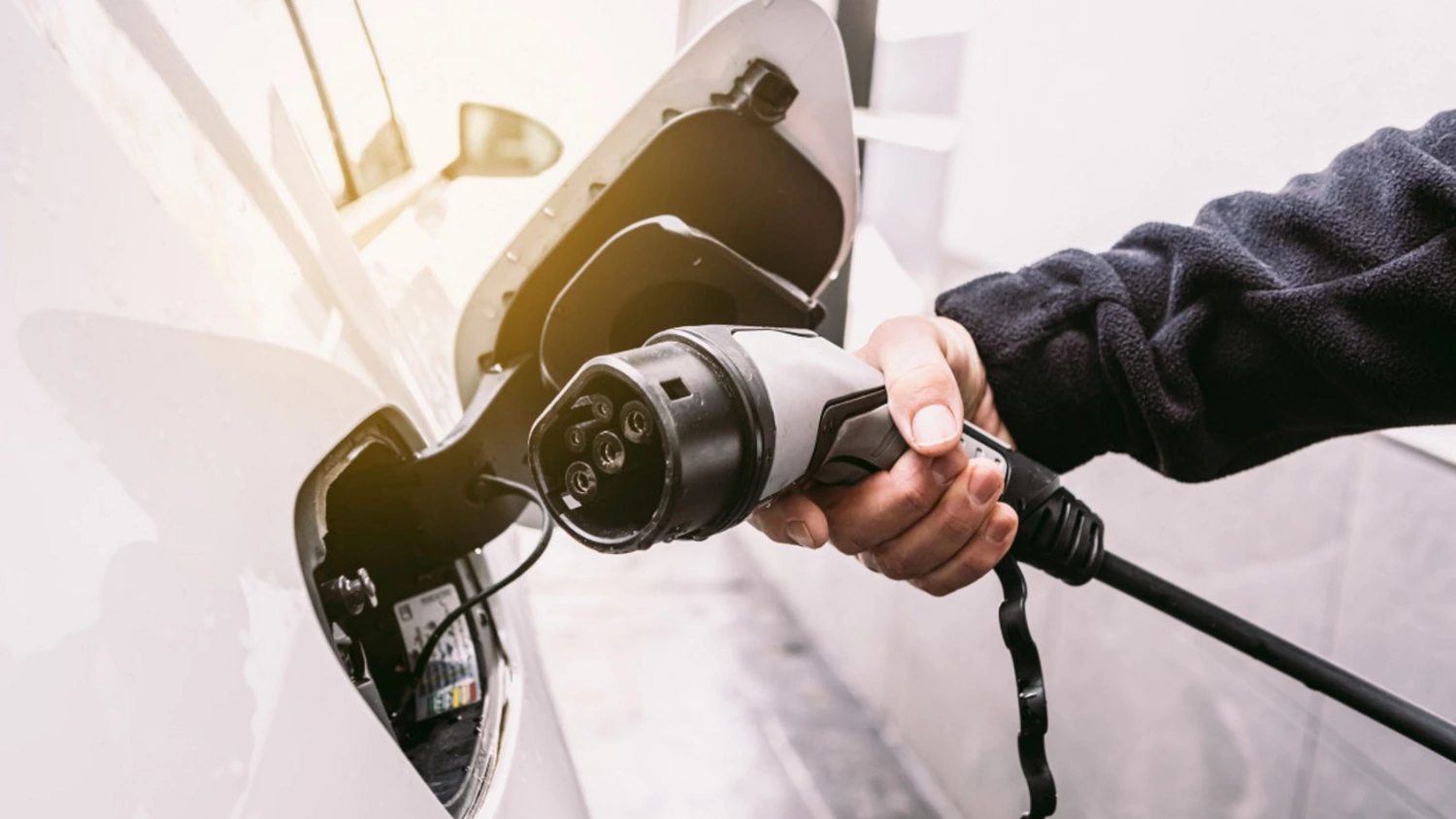
The European Bank for Reconstruction and Development is providing €35 million to GreenWay as part of a €113 million financing package to expand electric vehicle charging infrastructure across Central Europe.
The newly published Edition 2 2026 of the PV Module Manufacturer Ranking Report shows the first signs of stabilisation in the solar manufacturing sector's balance sheets after more than a year of steady deterioration. The table tracks the Altman Z-Score, a widely used measure of bankruptcy risk, for 64 publicly listed photovoltaic module manufacturers, and has now been refreshed with first-quarter 2026 data.
The Faculty of Hydrotechnics from the Technical University of Civil Engineering Bucharest and Waldevar Floating PV have signed a strategic partnership to accelerate innovation in renewable energy and prepare the next generation of specialists in floating photovoltaic technologies.
Join Lisa Chase and Tjidsger Wierda for a workshop on 28 May
Rezolv Energy has commissioned the St. George solar park in Silistra, Bulgaria, marking the company's first project to become operational. The 225 MW facility reached full operational status in under three years from acquisition of development rights.