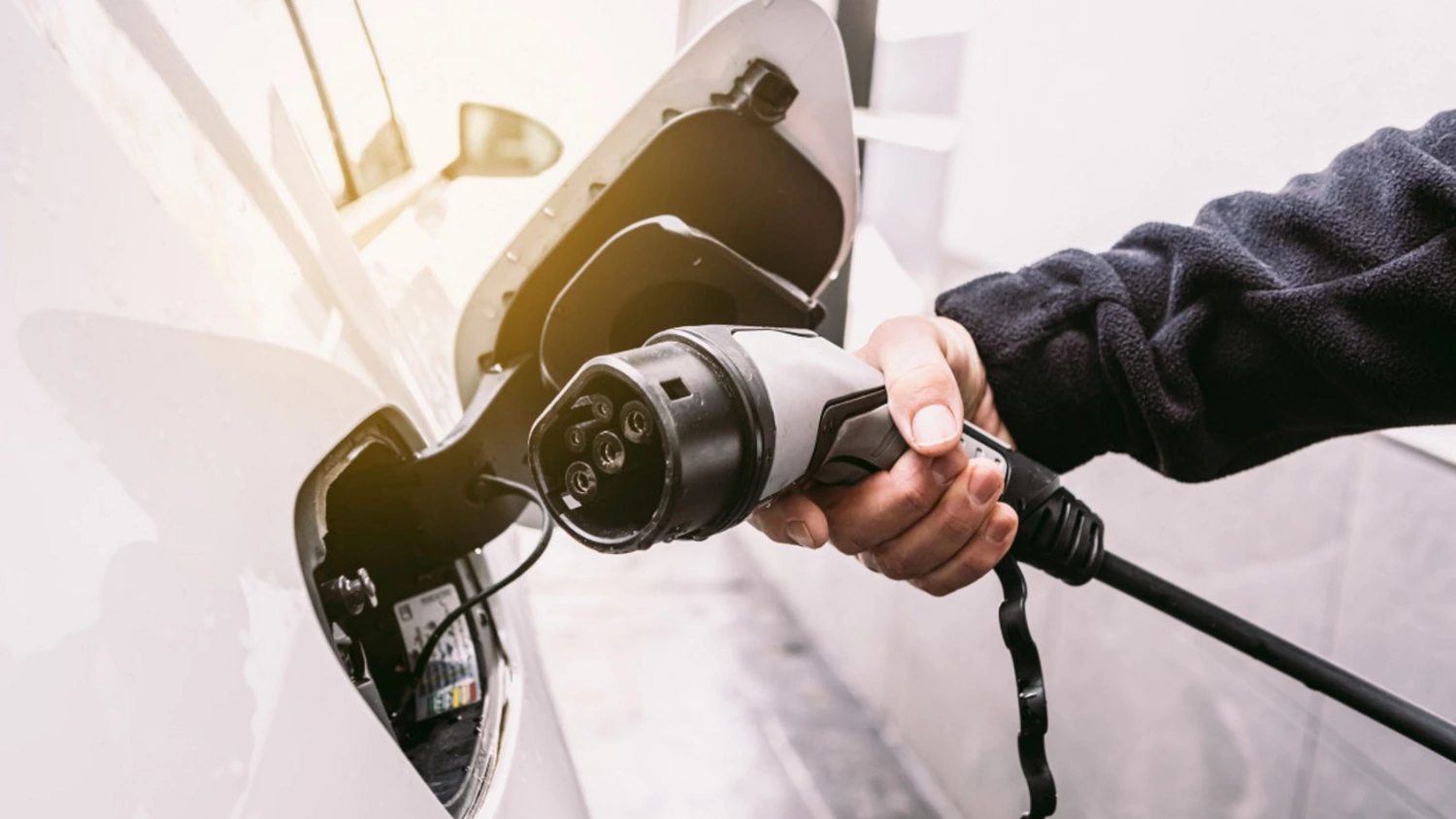


The Partnership aims to support the development of new local industries and high-quality jobs along the electric vehicle value chain with full respect to high environmental and social standards while addressing the concerns of local communities with full transparency.
The Partnership also provides the framework for a strong public-private multi-level engagement between the EU institutions and bodies, industrial actors, business associations, social partners, civil society representatives, relevant ministries of interested Member States and Serbia, public organizations, financial institutions, and investors.
Executive Vice-President for the European Green Deal, Interinstitutional Relations and Foresight of the European Commission, Maroš Šefčovič, signed the MoU with the Minister of Mining and Energy of the Republic of Serbia, Dubravka Đedovič Handanović. The signing ceremony occurred during the High-Level Summit on critical raw materials in Belgrade.
This MoU, by the SAA, establishes close cooperation between Serbia and the EU in the following five areas:
Enhance the development of value chains for raw materials, batteries, and EVs, by facilitating close cooperation between EU and Serbian industrial actors and stakeholders. The MoU will encourage the development of a mutually beneficial pipeline of projects with a special focus on the EV industrial ecosystem.
Cooperation on research and innovation (R&I), by mapping the existing cooperation areas under the EU Horizon Europe R&I framework program and other schemes. Based on the MoU, both parties will share knowledge and technologies related to sustainable exploration, extraction, processing, and recycling of secondary raw materials.
Application of high environmental, social, and governance standards and practices will be facilitated through mutual consultation and exchange of information on relevant policies and initiatives along the entire value chain, including through the application of increased due diligence and traceability for the battery value chain.
Mobilisation of financial and investment instruments to support investment projects under the Partnership, notably through Invest EU, the Western Balkans Investment Framework, and a Single Project Pipeline in Serbia as well as under the European Raw Materials Alliance and European Battery Alliance.
Developing necessary skills for high-quality jobs in raw materials and battery sectors. This includes the participation of Serbian organizations in European Battery and upcoming Raw Materials Academies, includingpossible Serbian contributions with dedicated programs and internships.