Renault to accelerate circular economy plan

Green Forum
As part of its strategic plan "Revolution," Renault Group aims to become a leader in the circular automotive economy. Initiated by Renault Group, The Future Is Neutural is the company operating across the entire value chain of the circular automotive economy. Its objective is to support the automotive industry in the sustainable use of resources by harnessing the existing expertise of the Group and opening up to partners offering complementary skills.

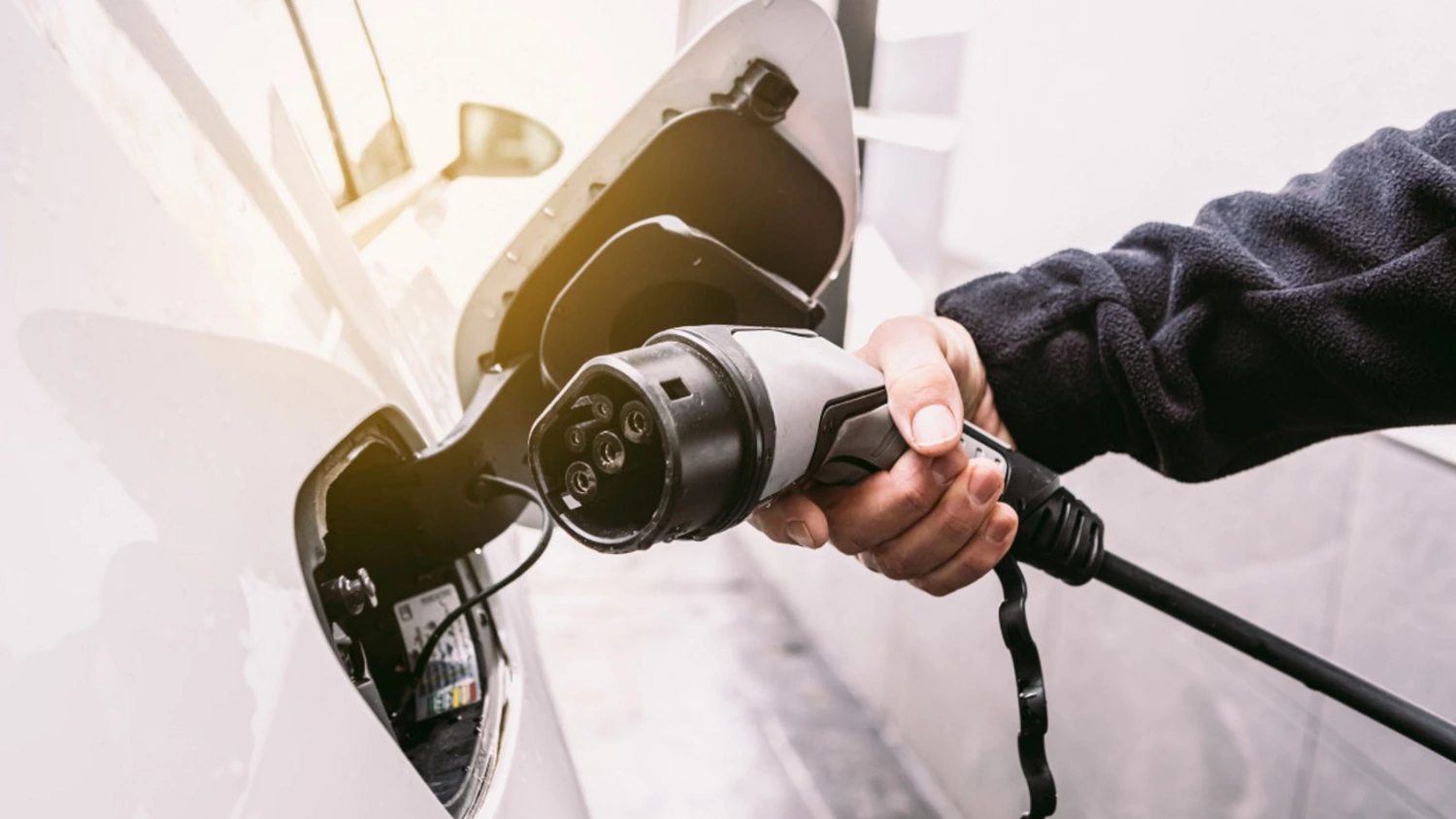
The Future Is Neutural is launching a new activity today, refurbishing three components for the electric drivetrain chain. This allows customers of electric vehicles to choose between new original parts and a range of quality refurbished products, which are more affordable (up to 30% cheaper), thereby limiting the impact on resources and CO2 emissions.

To support the democratization and expansion of its 100% electric range, Renault Group will offer the following refurbished components in its after-sales service: electric motor (for ZOE, Twingo E-Tech, Kangoo E-Tech, and Master E-Tech models), power electronics (for ZOE and Kangoo E-Tech), and traction battery (for ZOE, Twingo E-Tech, and Megane E-Tech). From 2024, The Future Is NEUTRAL will have the capacity to produce over 3,000 refurbished parts dedicated to electric vehicles at Flins.

From Flins to Bursa and Sevilla, Renault Group is implementing an industrial and collaborative ecosystem of circular economy solutions.

Renault covers a broad field of the circular economy to extend the lifespan of vehicles and parts, repair them, refurbish, and recycle them. These activities will make a significant contribution to Renault Group's objectives, aiming to incorporate 33% of materials from the circular economy into new vehicles by 2030 and achieve a net-zero carbon footprint for its entire operations in Europe by 2040 and globally by 2050, offsetting emissions after implementing a reduction strategy targeting neutrality. This strategy involves reducing emissions as much as possible and only offsetting residual emissions.


RECOMMENDED
RECOMMENDED FROM THE HOME PAGE
Industry

Lidl Romania exceeds 2030 sustainability targets early

Lidl Romania has published its eighth sustainability report for the 2024 financial year, announcing accelerated progress in reducing environmental impact. The retailer has achieved its international 2030 target for transitioning to natural refrigerants, with these now used in 100% of logistics centres and 81.7% of stores, compared to the original goal of 100% of logistics centres and 40% of stores. The company has also increased its green energy usage to 80% of total consumption.

Energy

Dentons advises OX2 on 235 MW Romanian wind acquisition

Global law firm Dentons has advised OX2 on acquiring three wind power projects totaling 235 MW in Romania from Future Power. The projects, located in Vaslui and Vrancea counties, are expected to be commissioned between 2028 and 2030, subject to permitting.

Energy

Turkish investors pour millions into Romanian green energy

Romania is emerging as a key destination for Turkish renewable energy investments, attracting growing interest from industrial and financial groups. Real grid connection opportunities for projects, infrastructure modernisation potential, and investment framework stability make Romania strategic for Turkish capital as Europe accelerates its transition to sustainable sources and energy independence.

Business

Cost remains main driver and biggest barrier in sustainability

51% of Romanian entrepreneurs see sustainability as a way to reduce operational costs, yet the same proportion say implementation is too expensive, according to a new study by BRD Groupe Société Générale. Conducted among micro and small-to-medium enterprises, the research outlines how Romanian entrepreneurs perceive the opportunities and challenges of transitioning to sustainable business models.

READ MORE
Green Forum  |  11 December, 2025 at 11:36 AM