The European Commission has approved a €590 million state aid scheme in Bulgaria to support investments in energy storage facilities, accelerating the country's transition to a net-zero economy.
SPIE Energotest has developed an innovative ECONTROLplus system that enables comprehensive management and optimisation of Renewable Energy Sources (RES) installations, increasing their efficiency and reliability.
The global energy transition, projected to cost €190 trillion by 2050, could see cost reductions of nearly 25% through the use of de-risking instruments.
Roeslein & Associates, a leading engineering, procurement, and construction (EPC) services company, announced the opening of its new European Design Center in Krakow, Poland.
Defic Globe, a subsidiary of YEO Technology — a global brand in renewable energy and energy technologies — has expanded its presence in the Romanian market through strategic investments.
The European Commission has endorsed a positive preliminary assessment of Poland's payment request for the second and third instalments for €9.4 billion.
IEA's latest monitor shows wide variations in clean energy deployment among regions and technologies amid increased manufacturing capacity and declining costs.
The Nokian Tyres factory in Oradea will build a photovoltaic park for its energy consumption and is inviting specialized firms to submit their bids by November 1, 2024.
Electrica, a Romanian state-owned utility, has secured a €3.4 million grant from the National Recovery and Resilience Plan to fund a new energy storage project.
The European Commission has approved two Luxembourgish schemes with a total budget of €520 million to help manufacturing companies decarbonize their production processes.
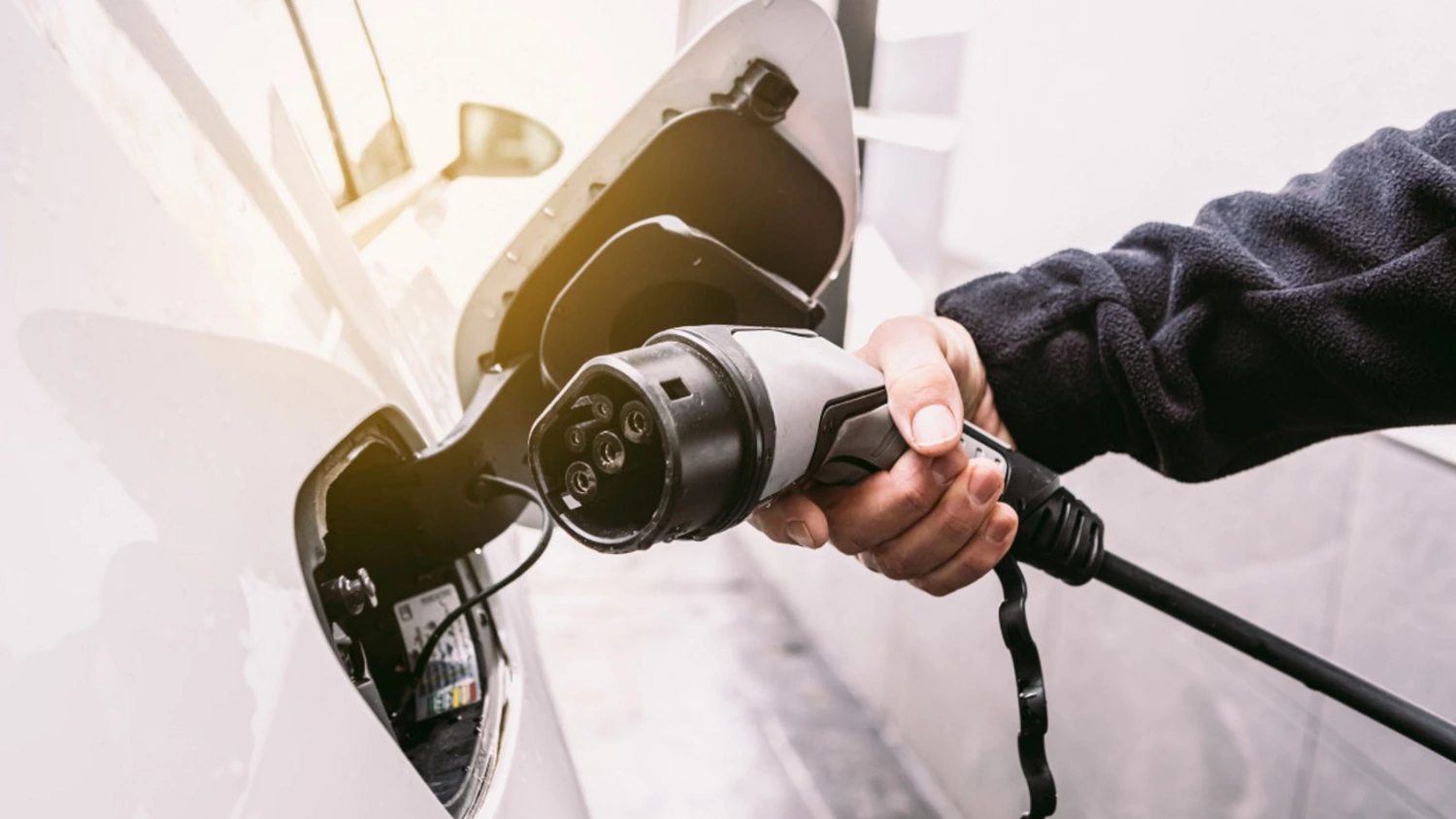
The European Bank for Reconstruction and Development is providing €35 million to GreenWay as part of a €113 million financing package to expand electric vehicle charging infrastructure across Central Europe.
The newly published Edition 2 2026 of the PV Module Manufacturer Ranking Report shows the first signs of stabilisation in the solar manufacturing sector's balance sheets after more than a year of steady deterioration. The table tracks the Altman Z-Score, a widely used measure of bankruptcy risk, for 64 publicly listed photovoltaic module manufacturers, and has now been refreshed with first-quarter 2026 data.
The Faculty of Hydrotechnics from the Technical University of Civil Engineering Bucharest and Waldevar Floating PV have signed a strategic partnership to accelerate innovation in renewable energy and prepare the next generation of specialists in floating photovoltaic technologies.
Rezolv Energy has commissioned the St. George solar park in Silistra, Bulgaria, marking the company's first project to become operational. The 225 MW facility reached full operational status in under three years from acquisition of development rights.