

When it comes to decarbonization, European industries are grappling with significantly higher energy costs, including electricity prices two to three times those in the US. By leveraging renewables, which offer a lower levelized cost of energy compared to fossil fuels, Europe could reduce energy prices. A renewable-powered economy represents not only a solution to high energy costs, but also a foundation for rebuilding industrial competitiveness.
Signs of progress are already emerging. In markets like the UK, renewables accounted for more electricity generation than fossil fuels last year – a significant milestone. Globally, the International Energy Agency (IEA) reported a near 50% increase in renewable energy capacity additions in 2023, reaching almost 510 GW. This was the fastest growth rate in two decades, reflecting the accelerating momentum of clean energy deployment worldwide – momentum that must not only be maintained in Europe, but accelerated if it is to secure its competitive edge.
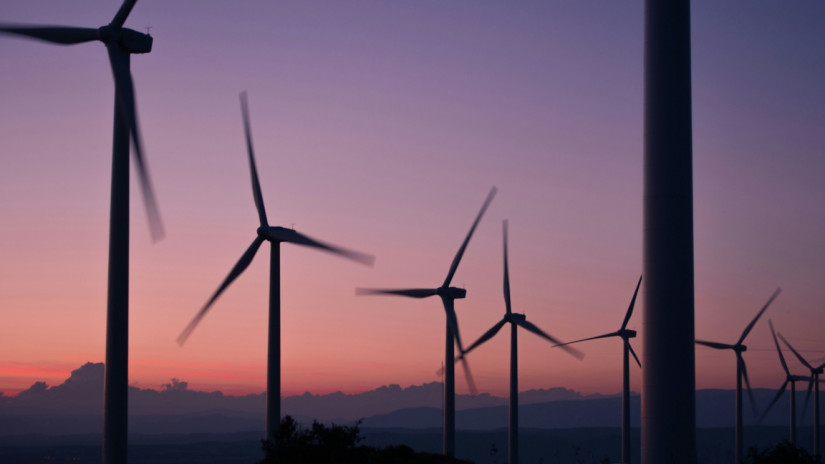
Expanding renewables is not just a matter of competitiveness, but also one of value creation. Wind energy alone has the capacity to drive substantial economic growth, potentially generating €49 billion in GDP and providing over 500,000 jobs across Europe by 2030, according to WindEurope. Yet, realizing this potential will require a stable, predictable, and well-functioning market – one that removes existing barriers and unlocks investments at scale.
While the wind industry is more than capable of meeting demand, the demand itself is the problem. Contrary to perceptions, manufacturing for the European wind industry is ready to scale, and is backed by a track record of ramping up production to meet demand. By 2025, Europe will be capable of manufacturing up to 32 GW of wind turbines annually. Yet, forecasts show that only 22 GW of new wind farms will be built each year from 2024 to 2030 – well below what the supply chain is equipped to deliver.
This mismatch results from factors such as bottlenecks for permits, unviable project economics stemming from flawed offshore wind auctions, and grid constraints. For example, it can take up to nine years to permit a single wind project in some European countries – an untenable delay at a time when the energy transition must accelerate. Grid limitations further complicate matters. The IEA has reported that 80 million km of new or upgraded grids – equal to today's global total – are needed by 2040 to support renewable build-out in line with climate and energy security ambitions.
Creating overcapacity and increasing red tape amid all of this will only deteriorate an already overburdened system. Our focus must instead be on working together to create a stable, predictable, and functioning market for wind energy. This means streamlining permitting procedures, reforming auction systems, accelerating grid development and, most importantly, ensuring that the benefits of clean energy are passed on to end users.