Energy | 11 August, 2023 at 5:10 PM
Romanians to benefit from €1.1 billion for PV panels and energy efficiency
Romanians will have €1.1 billion available for photovoltaic panels and the energy efficiency of homes.

Romanians will have €1.1 billion available for photovoltaic panels and the energy efficiency of homes.

Manufacturers of filter cigarettes will be obliged to collect waste starting this year, according to an analysis by Adrian Teampău, Director, and Alina Alecu, Senior Consultant, Circular Economy Consultancy at Deloitte Romania.

Compania Națională Aeroporturi Bucharest (CNAB) is running energy efficiency projects that add up to savings of around 4,307 MWh/year.

Philips Romania and the Viitor Plus Association are planting 5,000 trees in Dolj County this year, exceeding the "Planting Together" campaign goal by approximately 33%.
The Romcarbon company collected 94,802 tons of plastic waste from the market, in the 10 years of activity, of which 89% were from local sources and 11% from the European market.

The Ilfov County Council has obtained new non-refundable funding through which it will build 15 charging stations for electric and plug-in hybrid vehicles, in eight Ilfov towns and municipalities.

DTEK Renewables, a company owned by Ukrainian billionaire Rinat Ahmetov, installed the largest wind turbine in Romania, in Ruginoasa.

People are no longer throwing away their phones when they break and prefer to repair them, says Irina Mincinopschi, General Manager of Depanero. She talked to Green Forum about the company's strategy in the area of sustainability, the types of CSR projects that the company supports, and the advantages of using solar energy. Many electronic products nearing the end of their life, like computers, TVs, printers, refrigerators, etc., can be reused, refurbished, or recycled. Irina Mincinopschi also says that, in 2022, the company reached a volume of 5 million repairs carried out.

The village of Dârlos in Sibiu County will be the first town in Romania where methane gas will "lose ground" to hydrogen.

The energy company MET Group, based in Switzerland, is expanding its European portfolio and announcing its entry into the segment of energy production from renewable sources in Germany.

The Bihor County Council approved the feasibility study for the location of four recharging stations for electric vehicles.

The market for installing photovoltaic panels on residential buildings has a potential of over €800 million, according to an E-Accumulatori.ro analysis.

The Săcueni Biogas plant in Bihor County will be leased to private operators.

Brasov City Hall wants to reduce pollution by 426 tons of nitrogen oxides and 16 tons of dust in the next 4 years.

Mehedinti County wants to buy 30 electric minibusses to transport students.

ROCA Agri RDF, the agricultural holding of ROCA Investments, announced the publication of its first Sustainability Report for 2022.

The new Doicești - Șotânga photovoltaic park with an installed capacity of 80 MW has been commissioned.

The Zentiva Group in Romania, the largest producer of generic drugs locally, completed the planting of 38,800 trees in the Făgăraș Mountains this year.
Five public charging stations for electric cars will be set up in several locations in Dambovita County.

Between January and July 2023, the sanitation operator collected 1,026 tons of selective glass waste in Iași County.
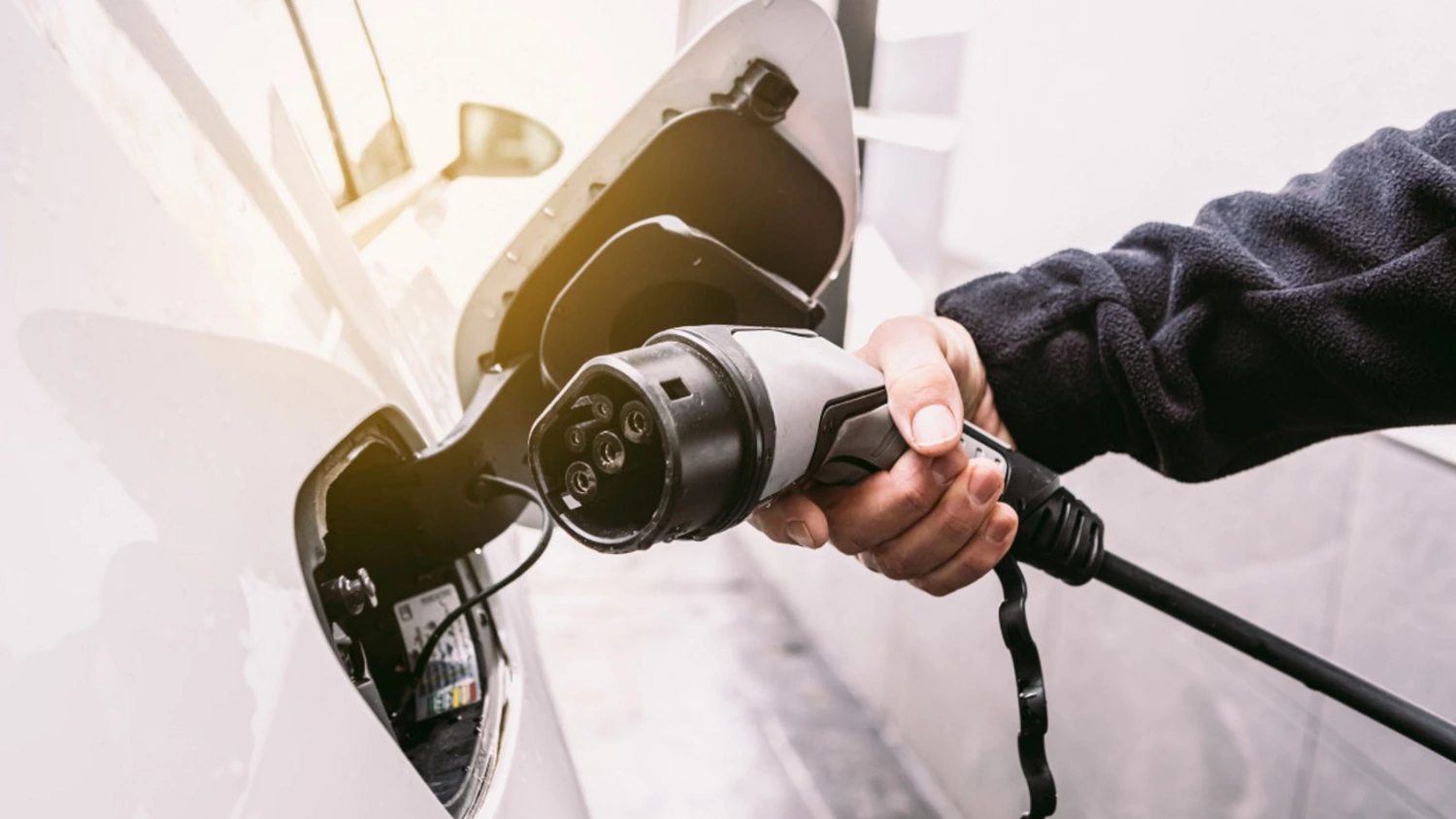
The European Bank for Reconstruction and Development is providing €35 million to GreenWay as part of a €113 million financing package to expand electric vehicle charging infrastructure across Central Europe.
The newly published Edition 2 2026 of the PV Module Manufacturer Ranking Report shows the first signs of stabilisation in the solar manufacturing sector's balance sheets after more than a year of steady deterioration. The table tracks the Altman Z-Score, a widely used measure of bankruptcy risk, for 64 publicly listed photovoltaic module manufacturers, and has now been refreshed with first-quarter 2026 data.
The Faculty of Hydrotechnics from the Technical University of Civil Engineering Bucharest and Waldevar Floating PV have signed a strategic partnership to accelerate innovation in renewable energy and prepare the next generation of specialists in floating photovoltaic technologies.
Join Lisa Chase and Tjidsger Wierda for a workshop on 28 May
Rezolv Energy has commissioned the St. George solar park in Silistra, Bulgaria, marking the company's first project to become operational. The 225 MW facility reached full operational status in under three years from acquisition of development rights.