Finance | 12 November, 2024 at 9:58 PM
Poland: EIB funds Orlen's energy shift with €200 million
EIB and ORLEN Group, Poland's largest energy company, signed a €200 million loan agreement for projects supporting energy transition.

EIB and ORLEN Group, Poland's largest energy company, signed a €200 million loan agreement for projects supporting energy transition.

EIB has granted a €35 million green loan to Haizea Wind Group, a Spanish company specializing in manufacturing components for the wind energy sector.

EBRD will lend €32 million, as part of a €291 million financing package, to build and operate a 192 MW onshore wind farm in Romania.

The European Investment Bank Group has announced that a record €49 billion was invested in green finance at the level of 2023.

The National Power Transmission Company Transelectrica SA has got €56.2 million through the REPowerEu component of the National Recovery and Resilience Plan (PNRR).

The European Commission has welcomed the provisional agreement reached today between the European Parliament and the Council to reduce the emissions and energy use of buildings across the EU.

The market for batteries to store energy produced from the use of photovoltaic panels could grow by 25% per year until 2030, from €40 million in 2022.

Romanians will have €1.1 billion available for photovoltaic panels and the energy efficiency of homes.

EIB to support Green Deal Industrial Plan with €45 billion in additional financing.

Romania must invest in the rehabilitation of buildings and heating systems to reduce energy poverty, through REPowerEU, according to the Romanian Energy Poverty Observatory (ORSE) experts. The essence of the REPowerEU investments and reforms package is to reduce energy poverty and the effects of the crisis at the level of the European Union. Measures such as improving the insulation of buildings inhabited by vulnerable consumers and replacing their heating and cooling systems with modern types of equipment are the most effective way to tackle energy poverty.

The Ministry of Investments and European Projects launches the REPowerEU chapter in public consultation, which will bring Romania €1.4 billion for energy independence. The amount will be used for strategic investments in the key area of energy security, which will allow the creation of clean energy production and storage ecosystems (hydropower, photovoltaics). The set of proposed measures will have a positive impact in supporting the acceleration of Europe's clean energy transition.

The European Parliament and the European Council reached a new agreement on reforming and consolidating the EU Directive on energy efficiency. The agreement sets an EU energy efficiency target of 11.7% for 2030 and requires EU member states to collectively ensure a further reduction in final and primary energy consumption.
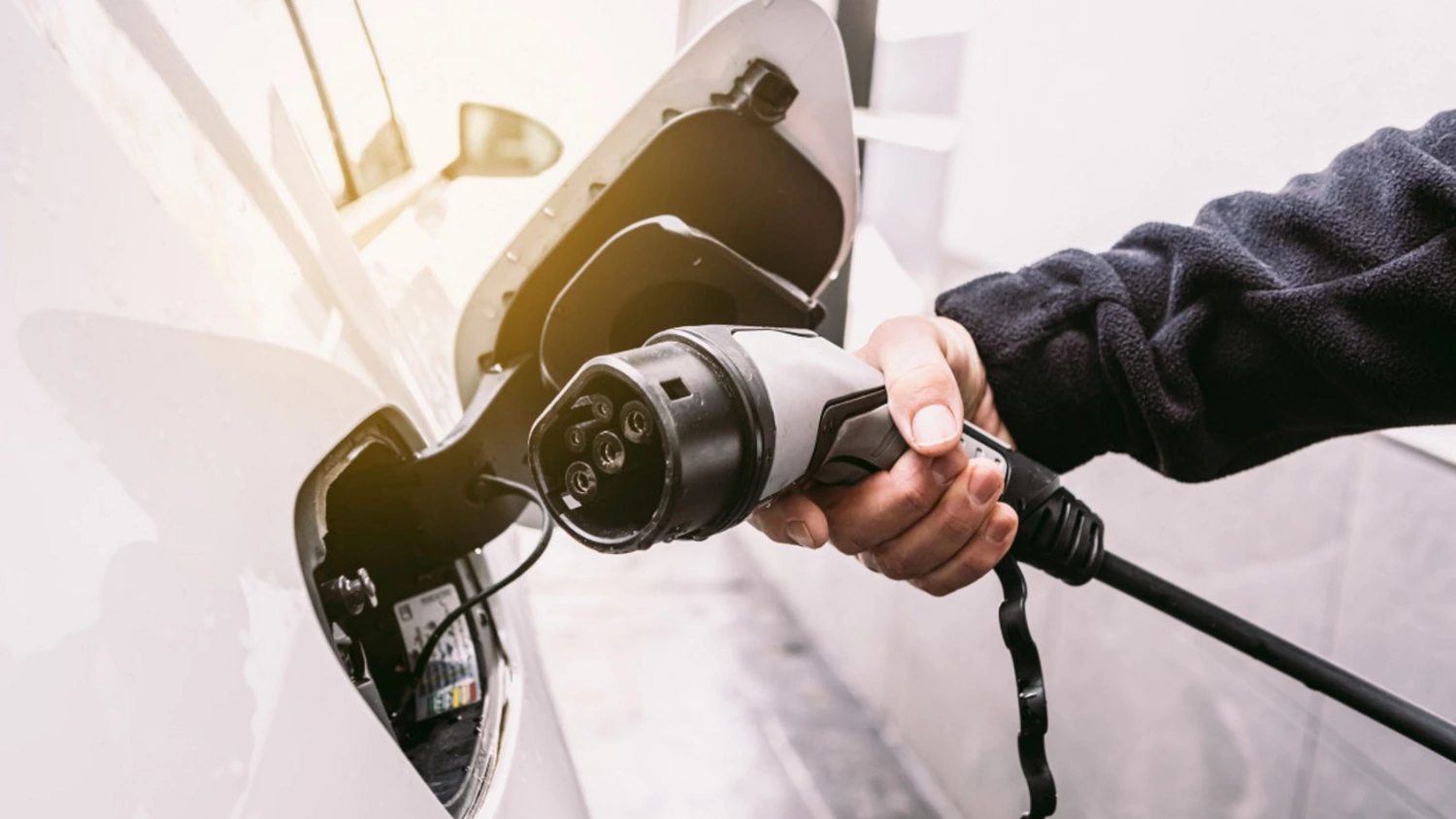
The European Bank for Reconstruction and Development is providing €35 million to GreenWay as part of a €113 million financing package to expand electric vehicle charging infrastructure across Central Europe.
The newly published Edition 2 2026 of the PV Module Manufacturer Ranking Report shows the first signs of stabilisation in the solar manufacturing sector's balance sheets after more than a year of steady deterioration. The table tracks the Altman Z-Score, a widely used measure of bankruptcy risk, for 64 publicly listed photovoltaic module manufacturers, and has now been refreshed with first-quarter 2026 data.
The Faculty of Hydrotechnics from the Technical University of Civil Engineering Bucharest and Waldevar Floating PV have signed a strategic partnership to accelerate innovation in renewable energy and prepare the next generation of specialists in floating photovoltaic technologies.
Join Lisa Chase and Tjidsger Wierda for a workshop on 28 May
Rezolv Energy has commissioned the St. George solar park in Silistra, Bulgaria, marking the company's first project to become operational. The 225 MW facility reached full operational status in under three years from acquisition of development rights.