The European real estate industry has shifted from cautious optimism to pragmatism as geopolitical and economic uncertainty continues to temper investment activity, according to the latest report by PwC and the Urban Land Institute.
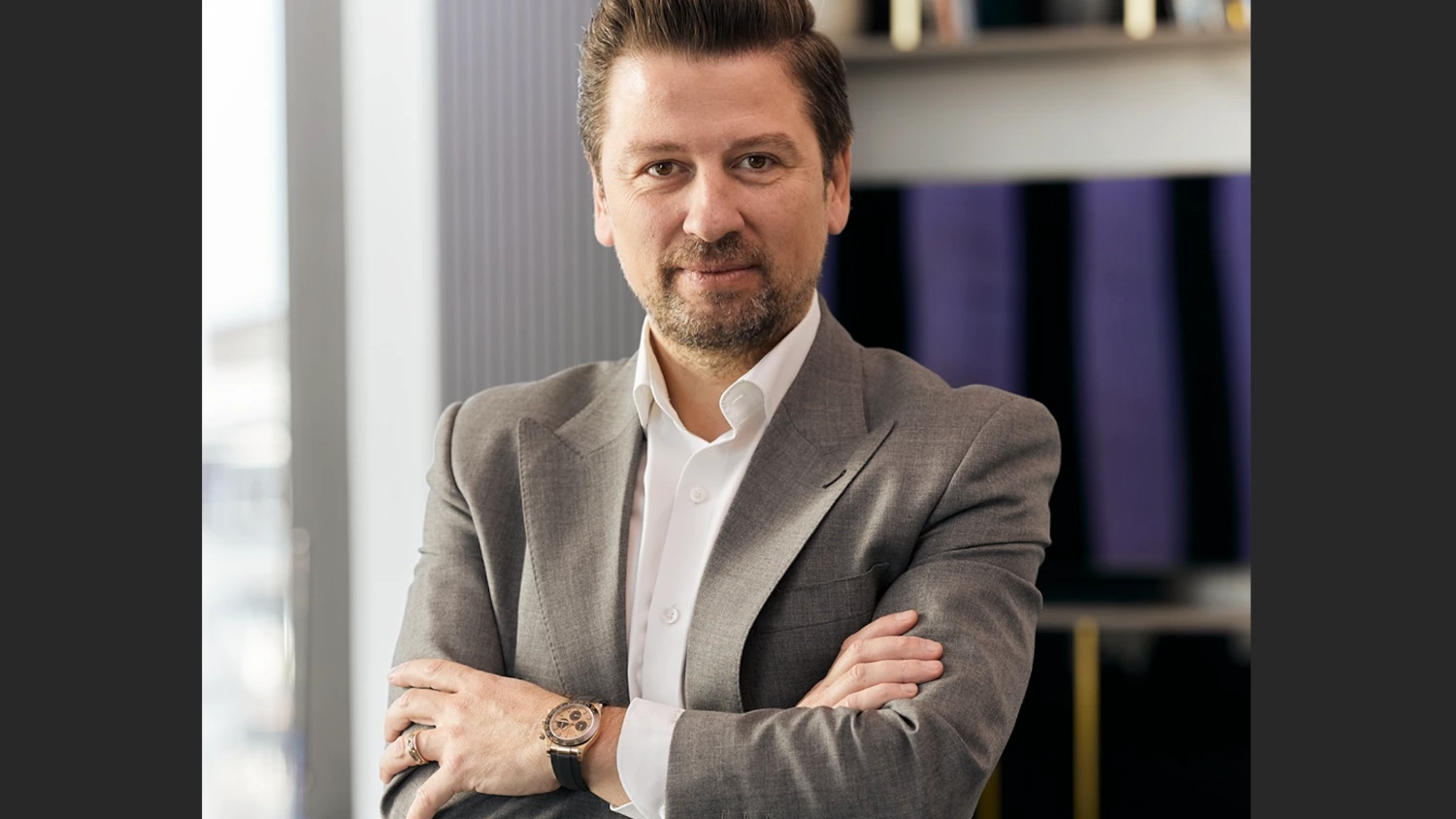
Florentin Avădanei, Founder & Co-CEO at Goldbach Group, talked to Property Forum about the company's strategy of focusing on small urban and rural areas, their consolidation in 2024, and the future of physical retail in Romania.
Globalworth has renewed its Access4you certification for all 16 office buildings in its Romanian portfolio, totaling almost 500,000 sqm. The recertification, conducted with consultancy services from Colliers, marks the second three-year certification cycle for the leading office investor in CEE.
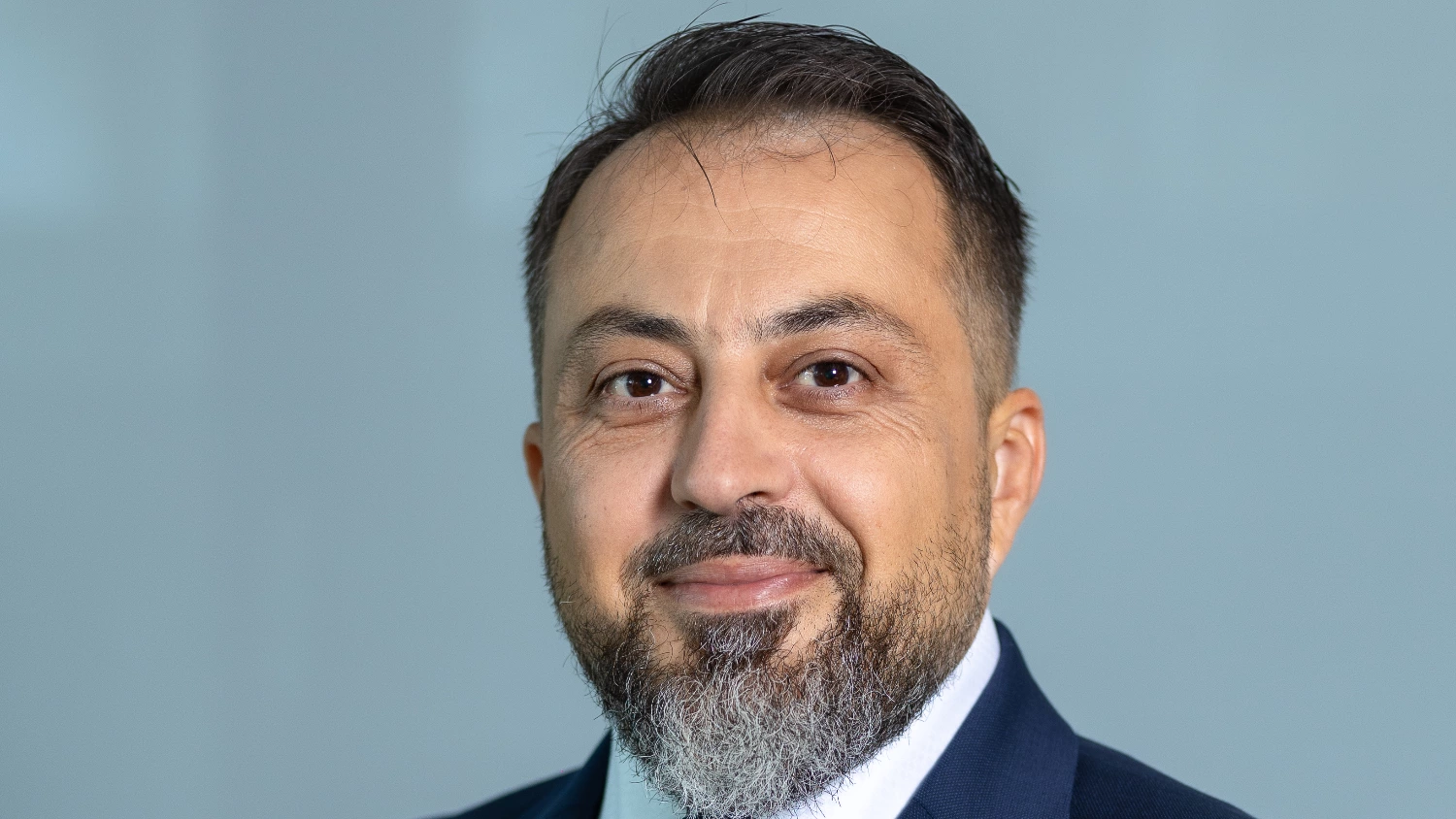
Sorin Macoveiu, Commercial Manager at Vastint Romania, talked to Property Forum about the company's ongoing expansion of its Timpuri Noi Square complex in Bucharest and the trends shaping office demand going into 2026.
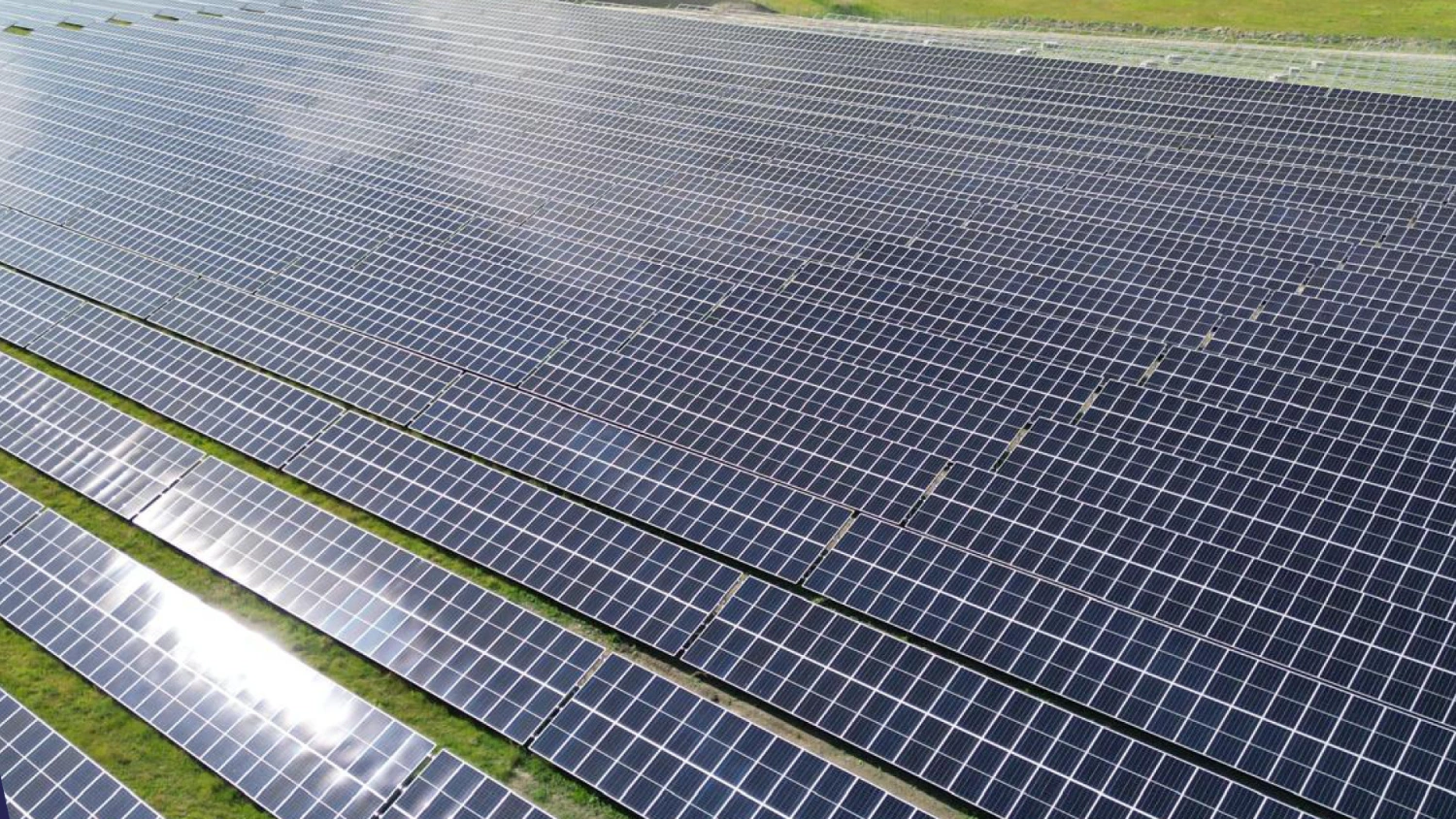
Nepi Rockcastle has inaugurated its first photovoltaic park in Chișineu-Criș, Arad County, Romania, marking a milestone in the shopping centre developer's sustainability efforts.
Romanian developer Iulius has launched Europe's largest private bioremediation project, investing €29 million to clean 38 hectares of contaminated land in downtown Constanța. The project will transform the former Oil Terminal platform into an integrated urban regeneration complex worth over €800 million.
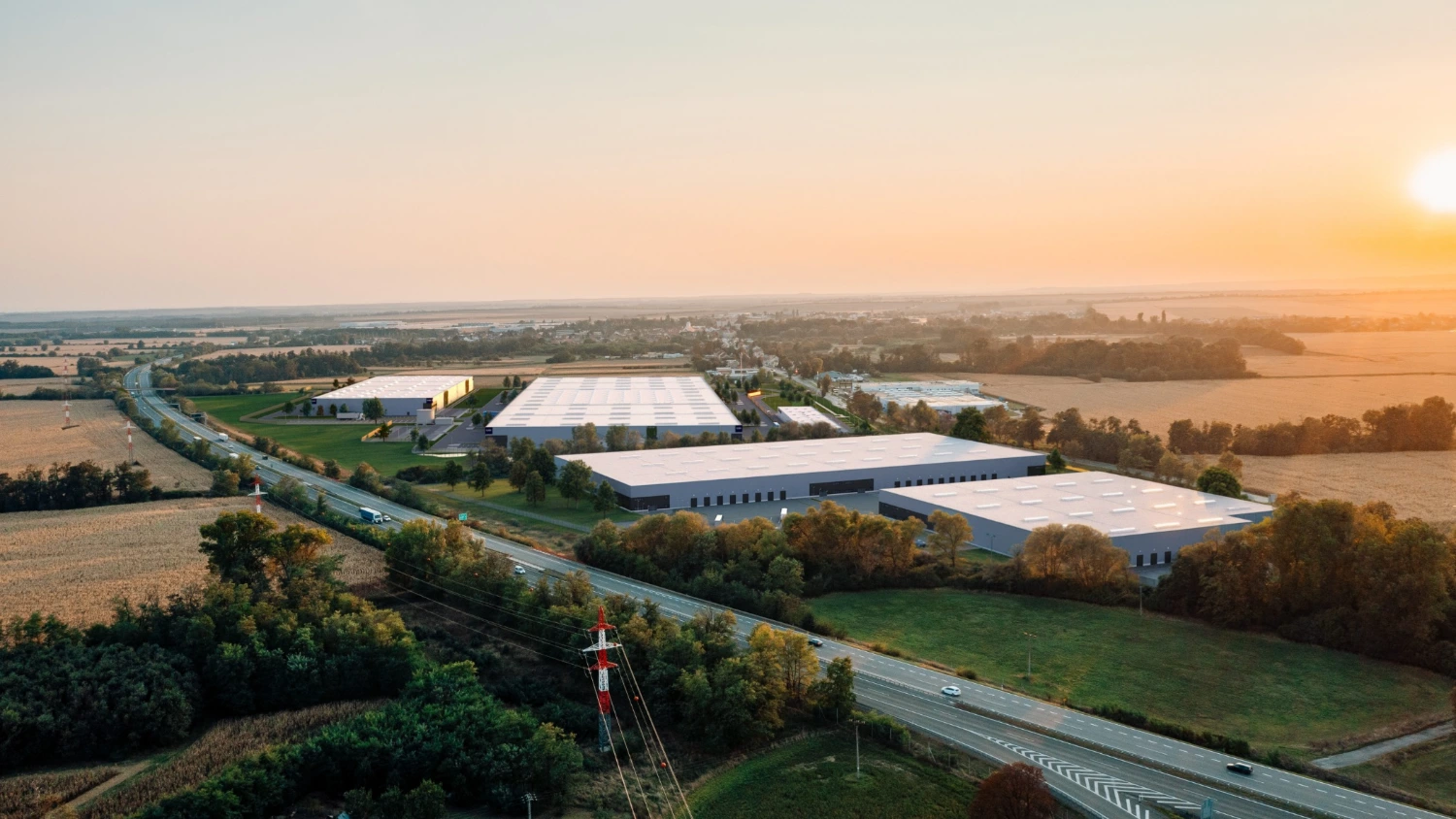
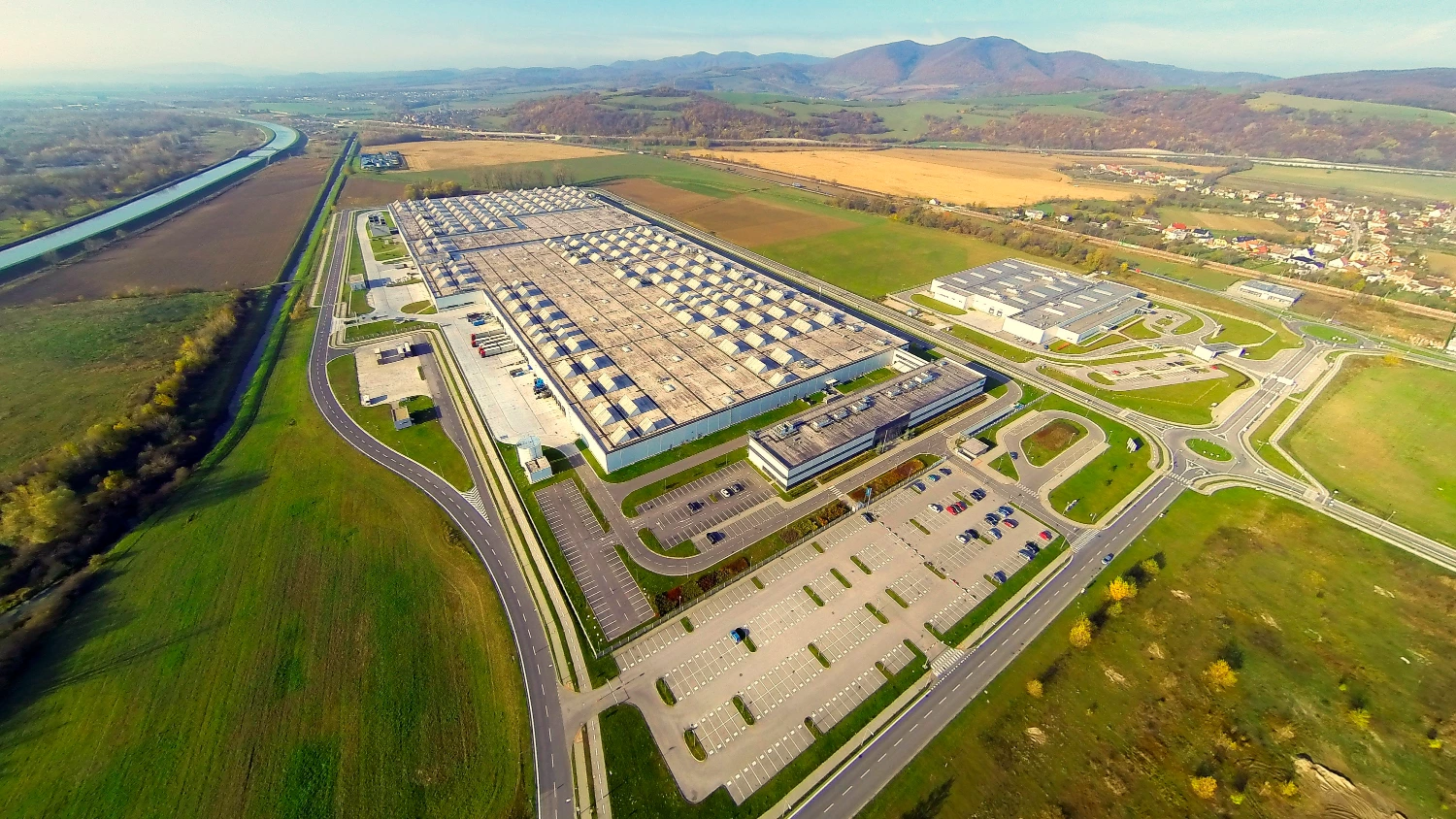
Garbe has received a building permit for the second phase of its Garbe Park Brno South project. It is adding two modern buildings, bringing the park's total area to 111,000 sqm.
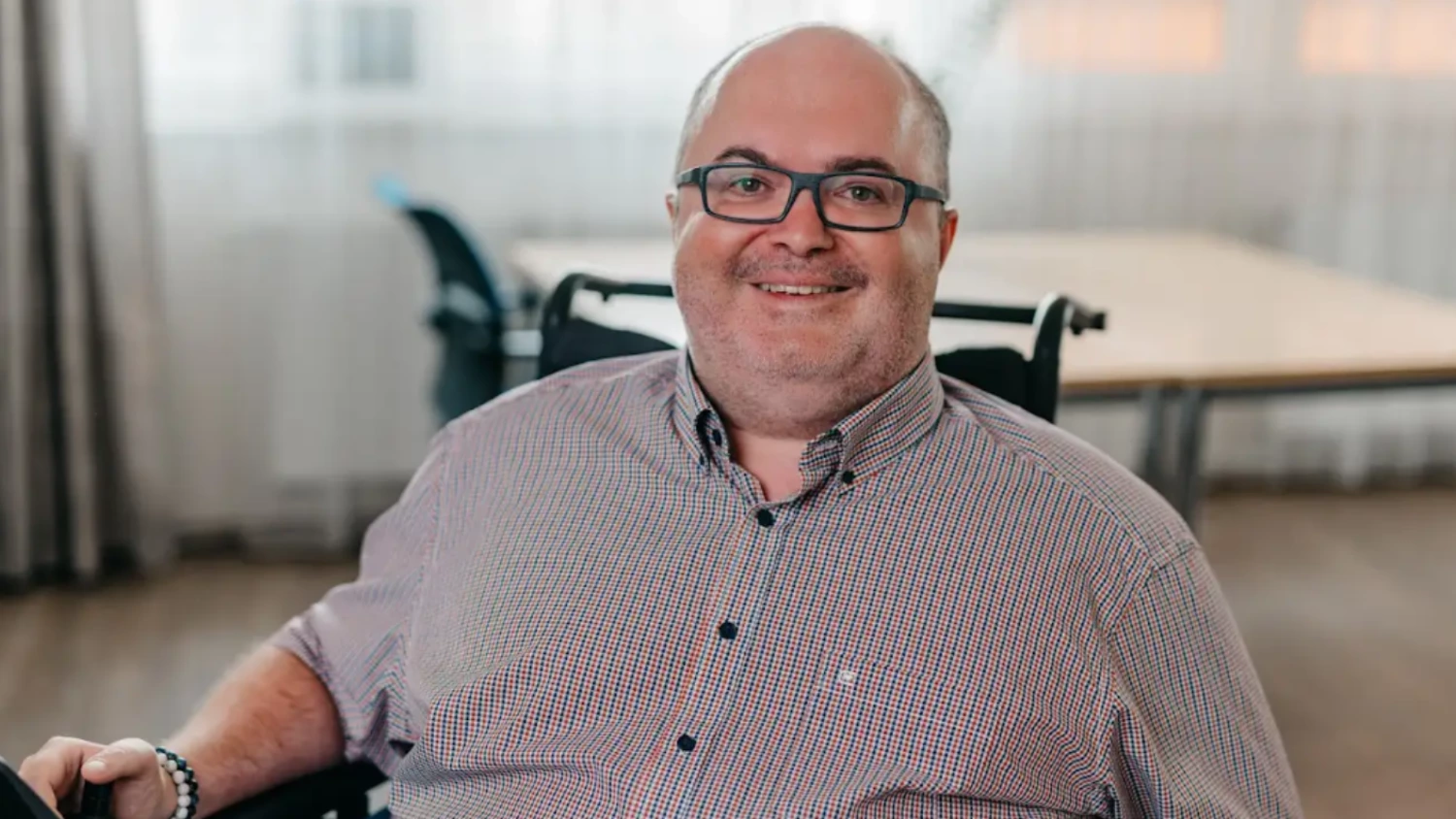
Once seen primarily as a regulatory requirement, accessibility is now increasingly recognised as a driver of value in the real estate market. Balázs Berecz, Founder and CEO of Access4you, who himself has been a wheelchair user since 2005, explains how accessibility is moving beyond compliance to become a competitive advantage, influencing ESG scores, boosting occupancy, and shaping investment decisions.
Poland has moved up 49 places in the Climate Risk Index 2025, underscoring the increasing impact of climate change on the real estate sector. Heatwaves, heavy rainfall, droughts and floods are becoming a regular challenge for property owners and investors, according to Cushman & Wakefield.
Only 14% of office buildings across the Prague market have achieved an Energy Performance Certificate in class A or B, with older properties having a higher probability of being classified in lower energy performance classes. An internal Savills survey, covering dozens of properties, has revealed that a significant proportion of Prague's office stock is facing the need for modernisation.
CPI Europe has announced an adjustment to its business strategy to better align with its existing group structure, recent business developments, and the market environment.
European companies are facing widespread challenges as they attempt to comply with the EU's new sustainability reporting standards, according to recent findings from the European Financial Reporting Advisory Group (EFRAG).
96% of European logistics tenants are planning to expand their capacity in the next 12 months, to a greater or equal extent than in the past year, according to the latest CBRE survey.
Nicolae Ciobanu, Managing Partner – Head of Advisory at Fortim Trusted Advisors, talked to Property Forum about the firm's growth in office leasing and land transactions, as well as the outlook on rents and the role of the defense sector in boosting industrial demand going forward.
The Polish Chamber of Commercial Real Estate (PINK), the Polish Council of Shopping Centers (PRCH), and the Royal Institution of Chartered Surveyors (RICS) have published the English-language version of their joint report “ESG for Commercial Real Estate 2.0. Selected Issues and Practices.” Originally released in March, the publication is now accessible to a wider international audience.
Office leasing in Bucharest reached its lowest point in four years during H1 2025, according to Colliers consultants. Total leasing transactions exceeded 100,000 sqm, representing a more than one-third decrease compared to the same period last year.
The European Ombudsman has formally questioned the European Commission's handling of recent proposals aimed at scaling back corporate sustainability requirements, raising concerns over transparency and procedural compliance.
Lavinia Ioniță Rasmussen, Real Estate Partner at Nestor Nestor Diculescu Kingston Petersen (NNDKP), talked to Property Forum about the firm's growing portfolio in industrial and renewable energy, but also about the new EU rules that will boost investments in green buildings.
George Gardin, Country Manager for Romania at Yellow Tree Group, spoke with Property Forum about the group's first pilot development in Romania, Aria Shopping Center, and the investment vision for the local market going forward, with a focus on diversification into hospitality and in-city logistics.
Mihnea Cristescu, Project Manager & Sustainability Consultant at Cushman & Wakefield Echinox, talked to Property Forum about the shift from the traditional green certification system in the real estate industry and the growth in the segment of green loans over €100 million.
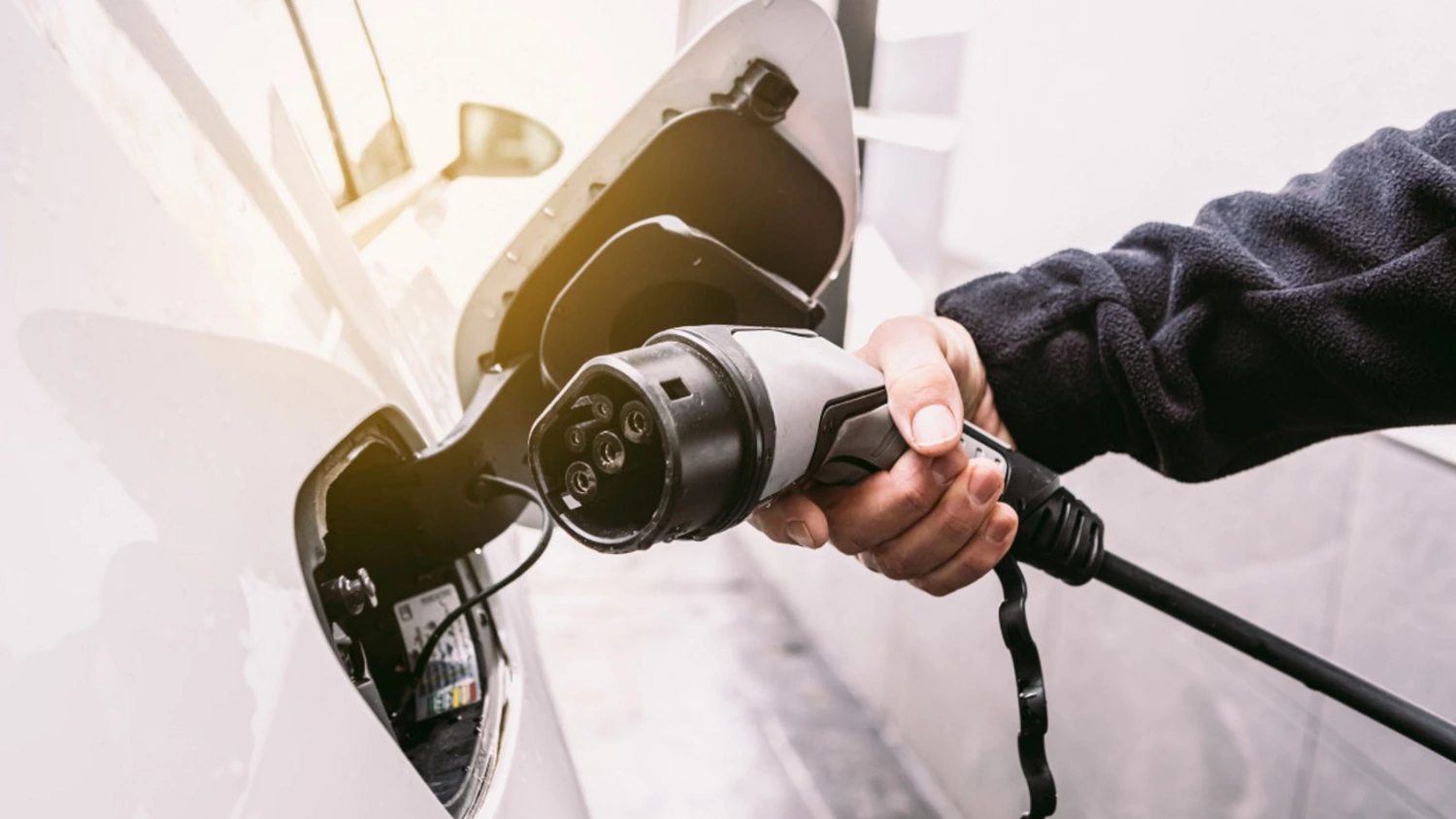
The European Bank for Reconstruction and Development is providing €35 million to GreenWay as part of a €113 million financing package to expand electric vehicle charging infrastructure across Central Europe.
The newly published Edition 2 2026 of the PV Module Manufacturer Ranking Report shows the first signs of stabilisation in the solar manufacturing sector's balance sheets after more than a year of steady deterioration. The table tracks the Altman Z-Score, a widely used measure of bankruptcy risk, for 64 publicly listed photovoltaic module manufacturers, and has now been refreshed with first-quarter 2026 data.
The Faculty of Hydrotechnics from the Technical University of Civil Engineering Bucharest and Waldevar Floating PV have signed a strategic partnership to accelerate innovation in renewable energy and prepare the next generation of specialists in floating photovoltaic technologies.
Rezolv Energy has commissioned the St. George solar park in Silistra, Bulgaria, marking the company's first project to become operational. The 225 MW facility reached full operational status in under three years from acquisition of development rights.