Real estate |
15 September, 2026 at 12:02 PM
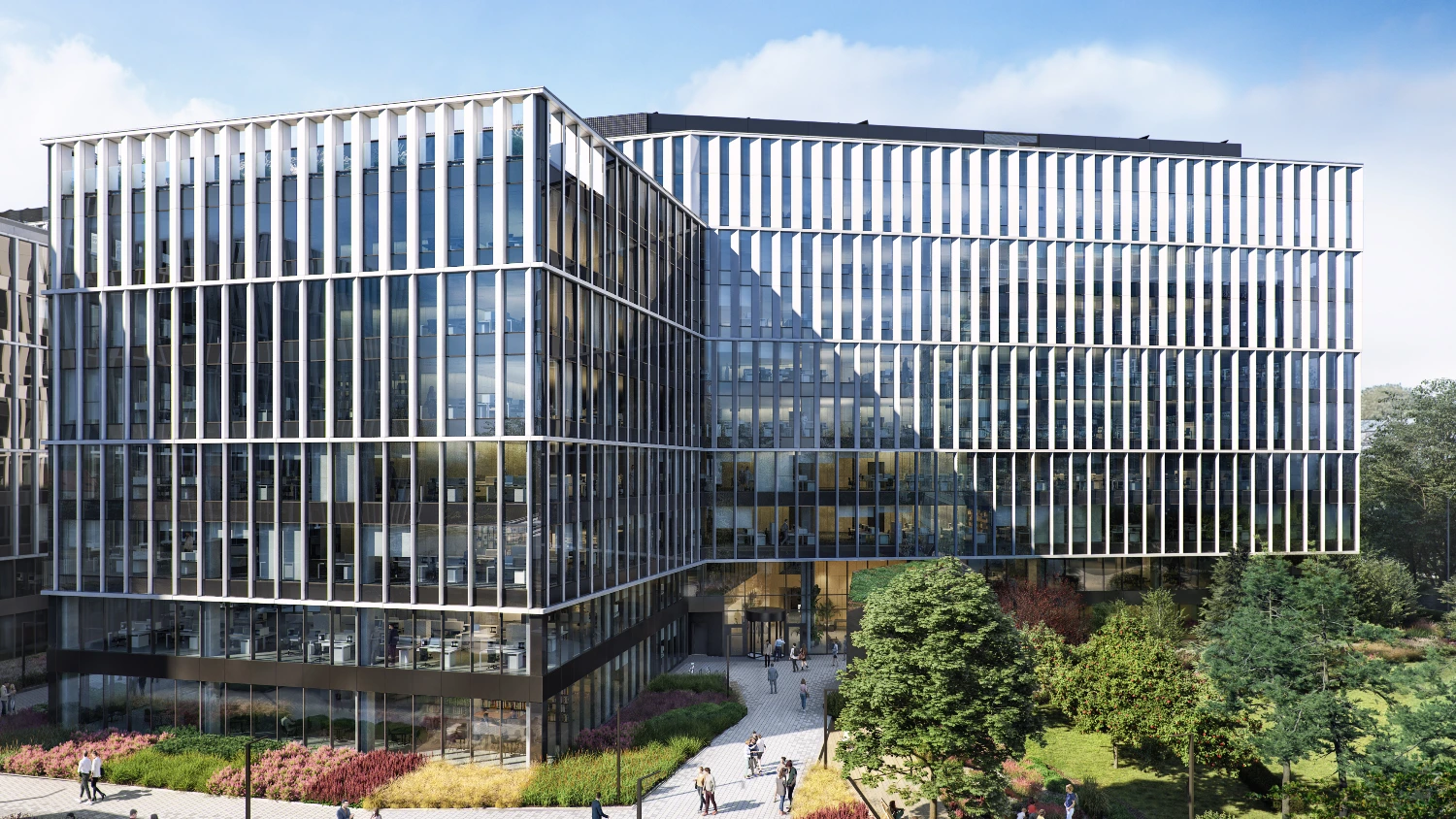
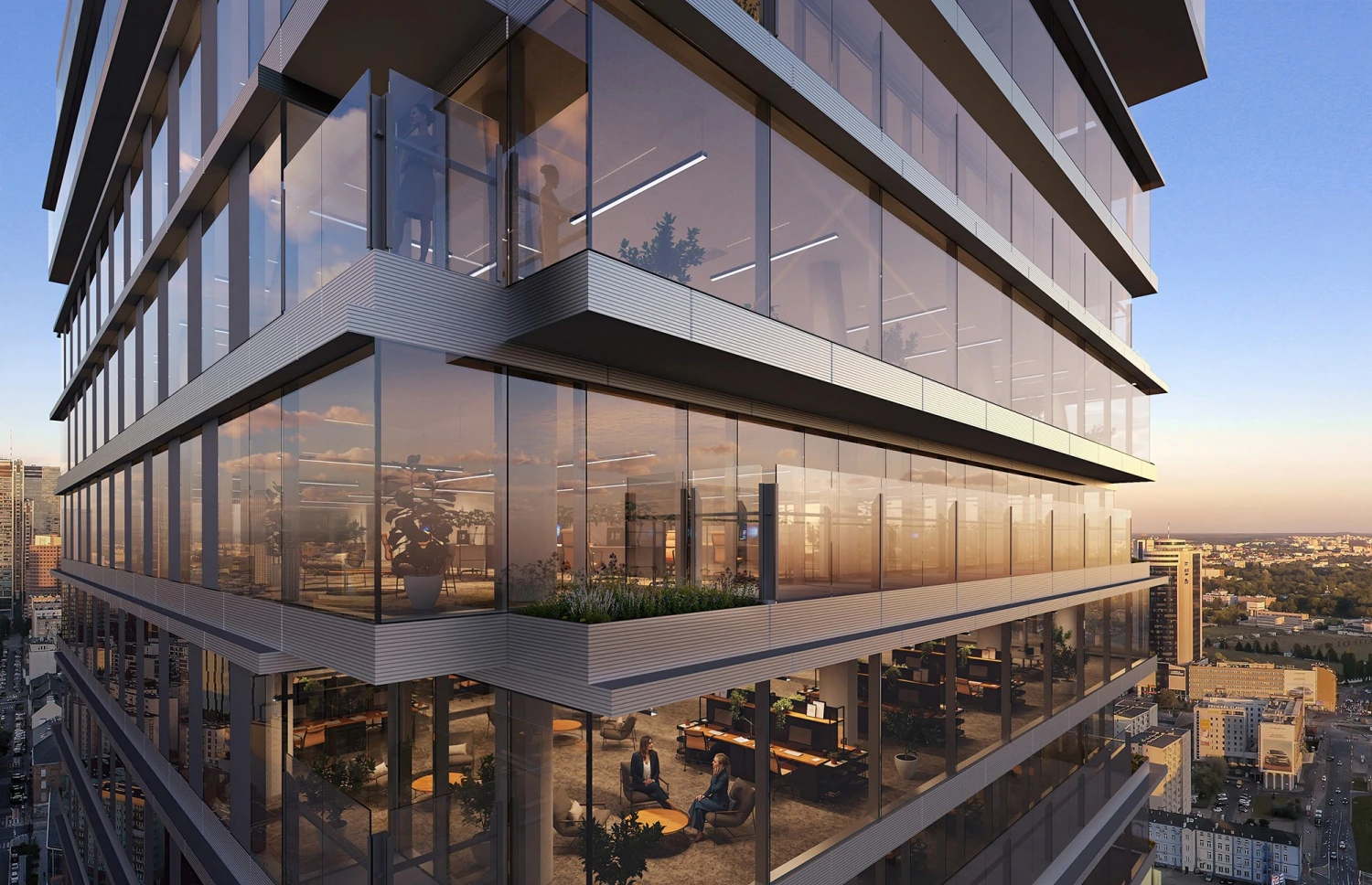
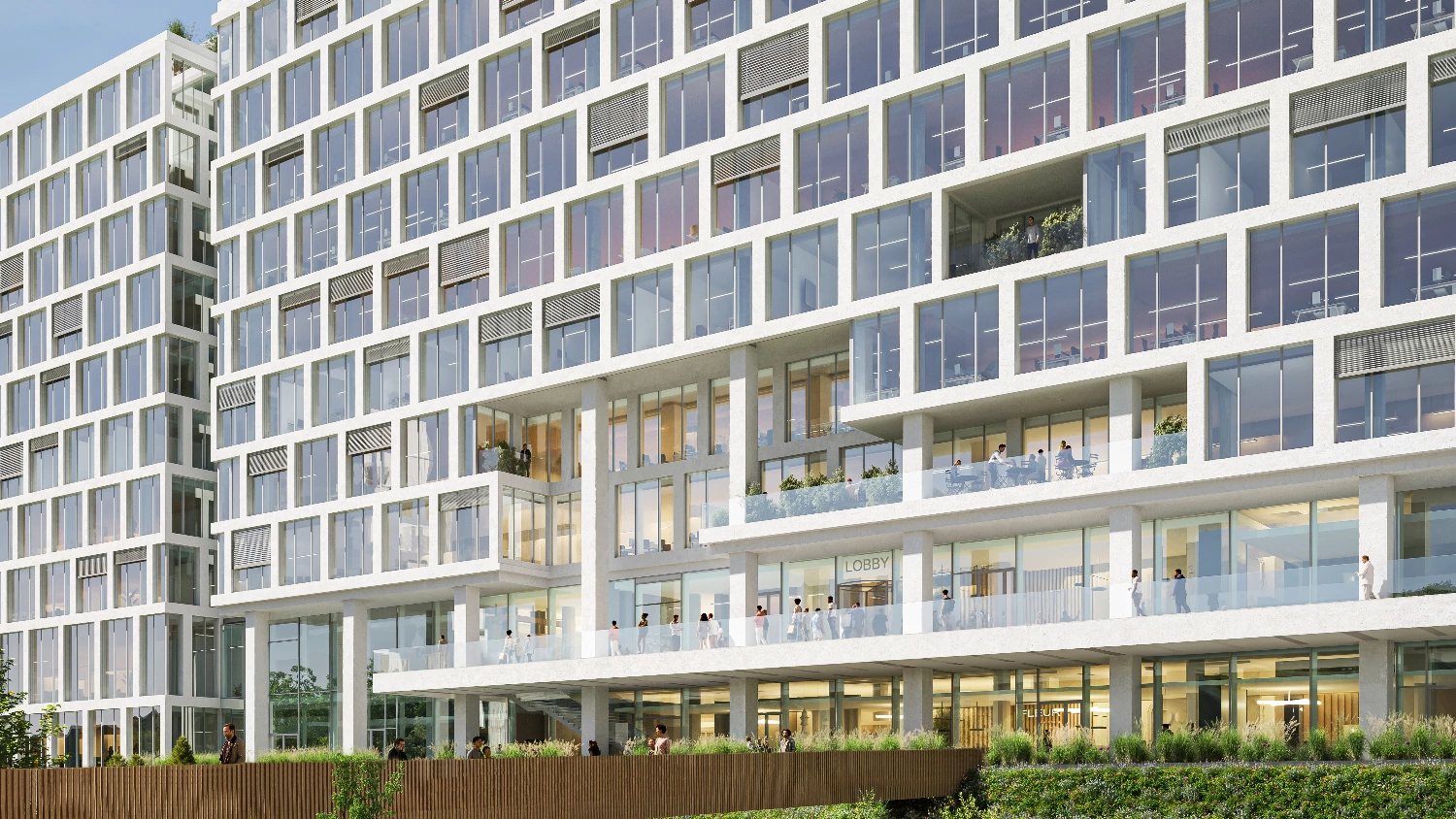
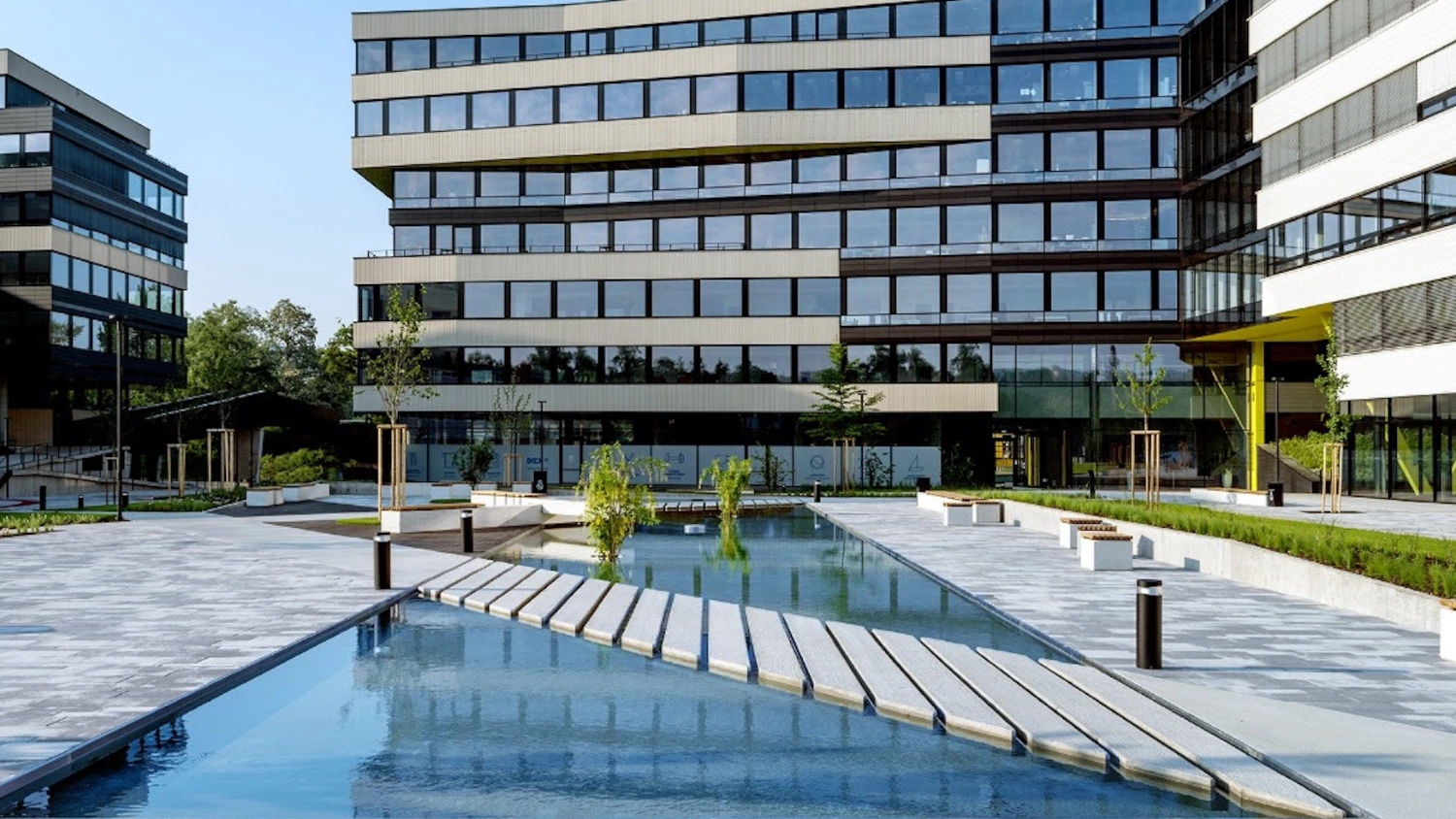
Skanska has begun construction of the first phase of its Nowy Format office complex in central Kraków, on the site of a former newspaper printing press. The nine-storey building, designated Nowy Format A1, will provide 21,400 sqm of gross leasable area and is scheduled for completion in the third quarter of 2028. The broader complex will ultimately comprise three buildings totalling approximately 48,000 sqm in the Grzegórzki district.
Real estate |
2 September, 2026 at 11:01 AM
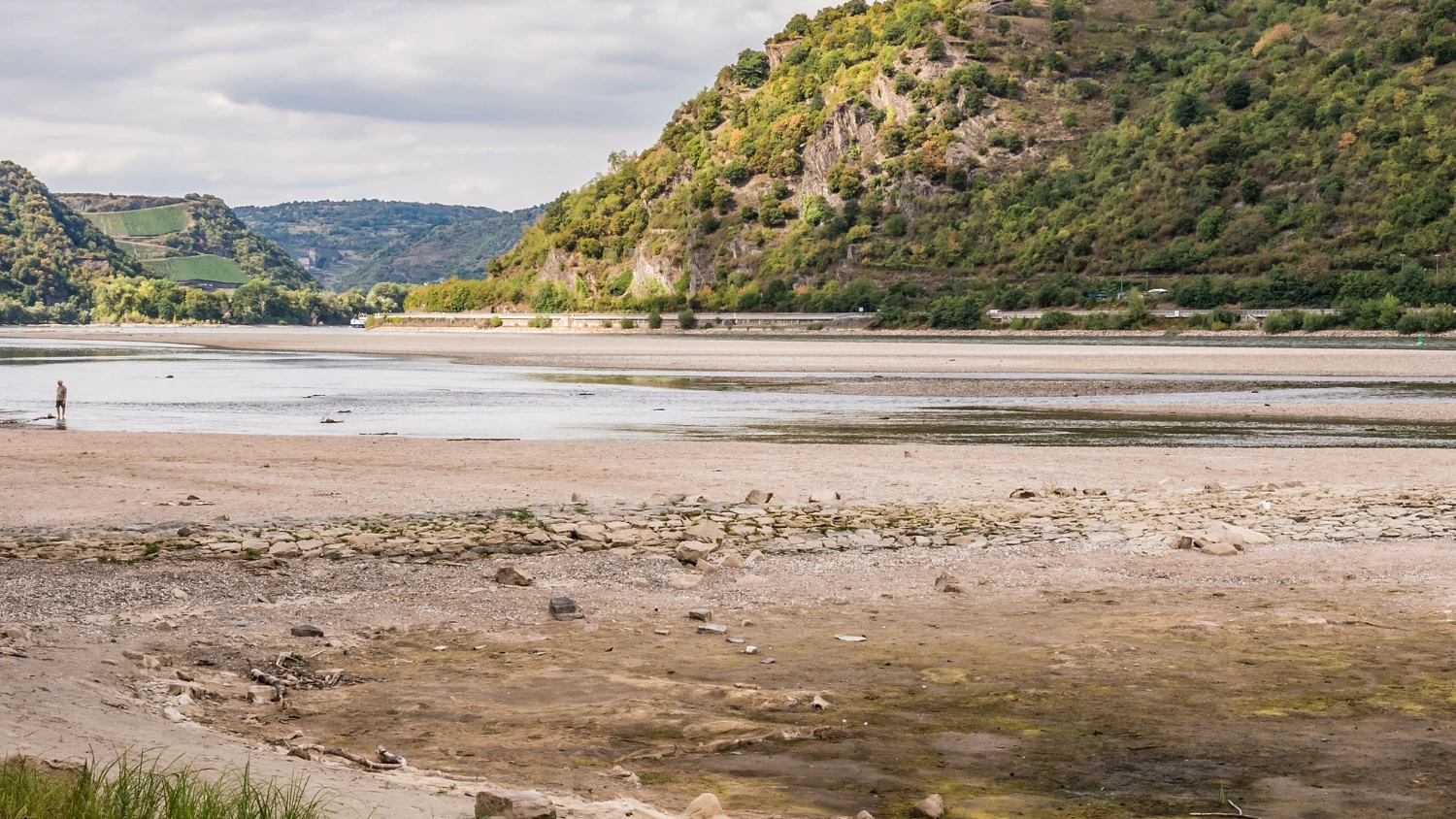
This summer told a story that no risk model wanted to write. Rivers ran too low to cool the plants beside them. Cities logged heat records that used to be once-in-a-generation events. Wildfires reached suburbs that had never planned for them, while, weeks later, the same regions were flooded by storms violent enough to shatter roofs with hail the size of golf balls. For the real estate sector, this was not weather. It was a live stress test of every portfolio, every loan book, and every insurance policy tied to a physical address.
Real estate |
12 August, 2026 at 10:21 AM
Romania's ongoing energy crisis, marked by record-low Danube water levels and declining nuclear output, has prompted sustainability consultancy BuildGreen to argue that decarbonisation should be treated as a cost management and risk reduction tool rather than purely an ESG obligation. According to ANRE data, hydropower and nuclear energy together accounted for nearly half of Romania's electricity generation in March 2026, yet nuclear production fell by 12.3% in the first five months of 2026 compared with the same period in 2025. This pressure arose despite electricity consumption being 3.4% lower than during the corresponding period in 2025.
Real estate |
11 August, 2026 at 11:56 AM
7R Group has published its 2025 Sustainability Report, prepared in accordance with the Corporate Sustainability Reporting Directive (CSRD), the simplified European Sustainability Reporting Standards (ESRS) and the EU Taxonomy. The report is the company's third, published voluntarily despite the absence of a formal reporting obligation in 2025. 7R is a commercial real estate developer active in Poland, the Czech Republic and Germany, with a delivered portfolio exceeding 2 million sqm and a further 3.9 million sqm at various stages of preparation.
Real estate |
11 August, 2026 at 11:26 AM
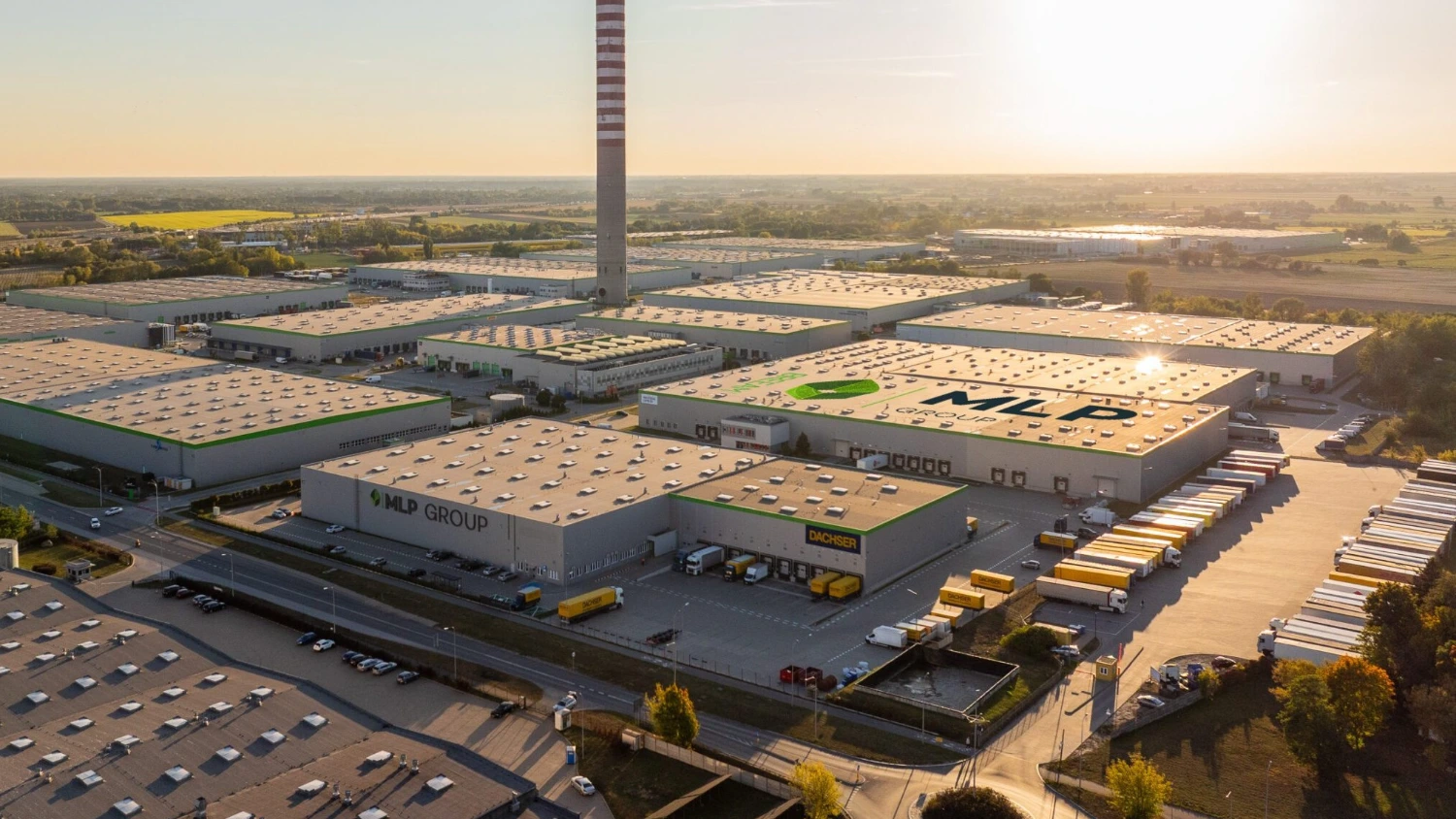
FORMADE, the owner of online interior design retailer Fabryka Form, has renewed its lease at the MLP Pruszków II logistics park for a further term. The company has been operating at the park since 2021. Advisory firm Triflow represented the tenant during the renegotiation process.
Real estate |
4 August, 2026 at 3:36 PM
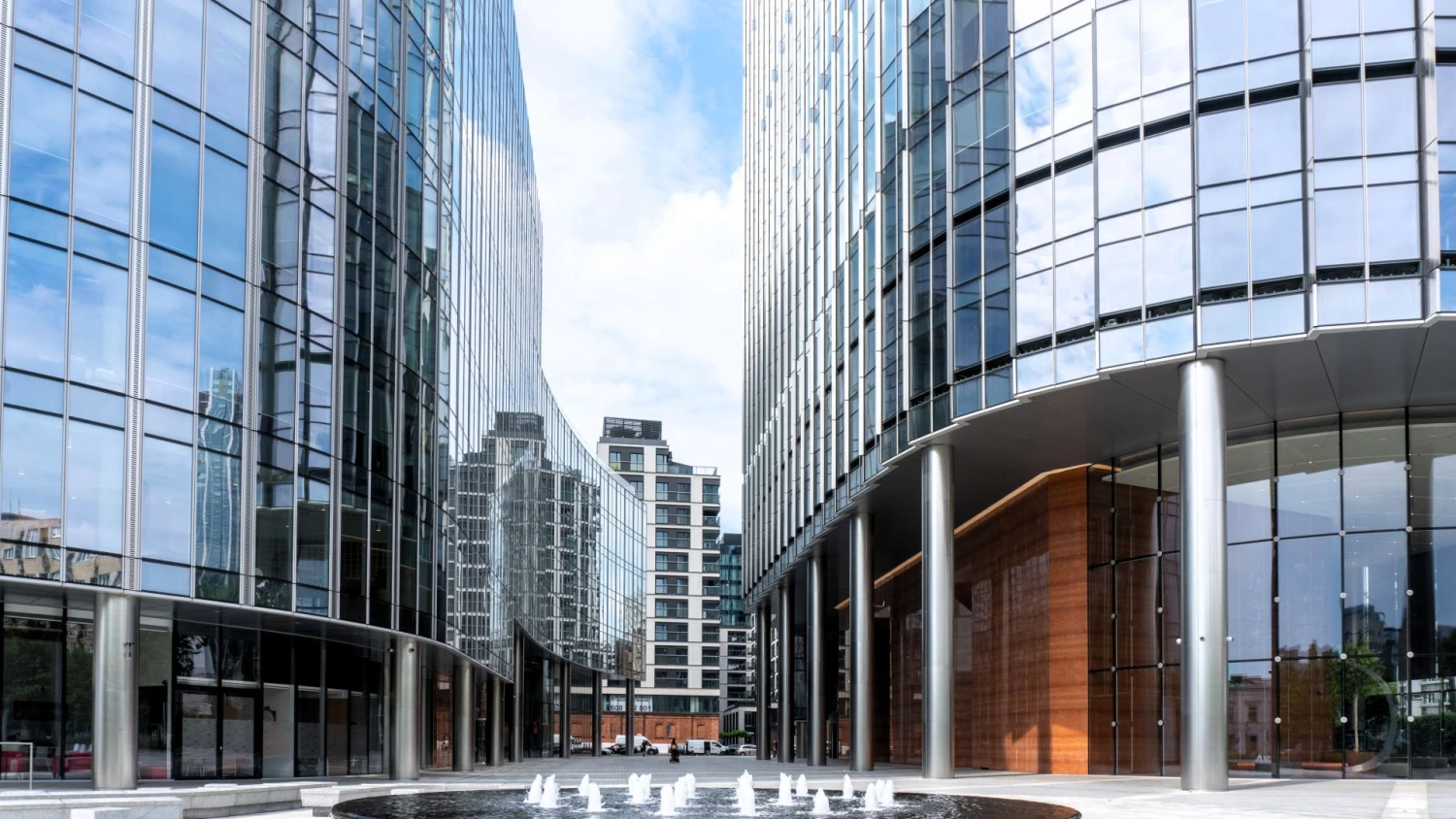
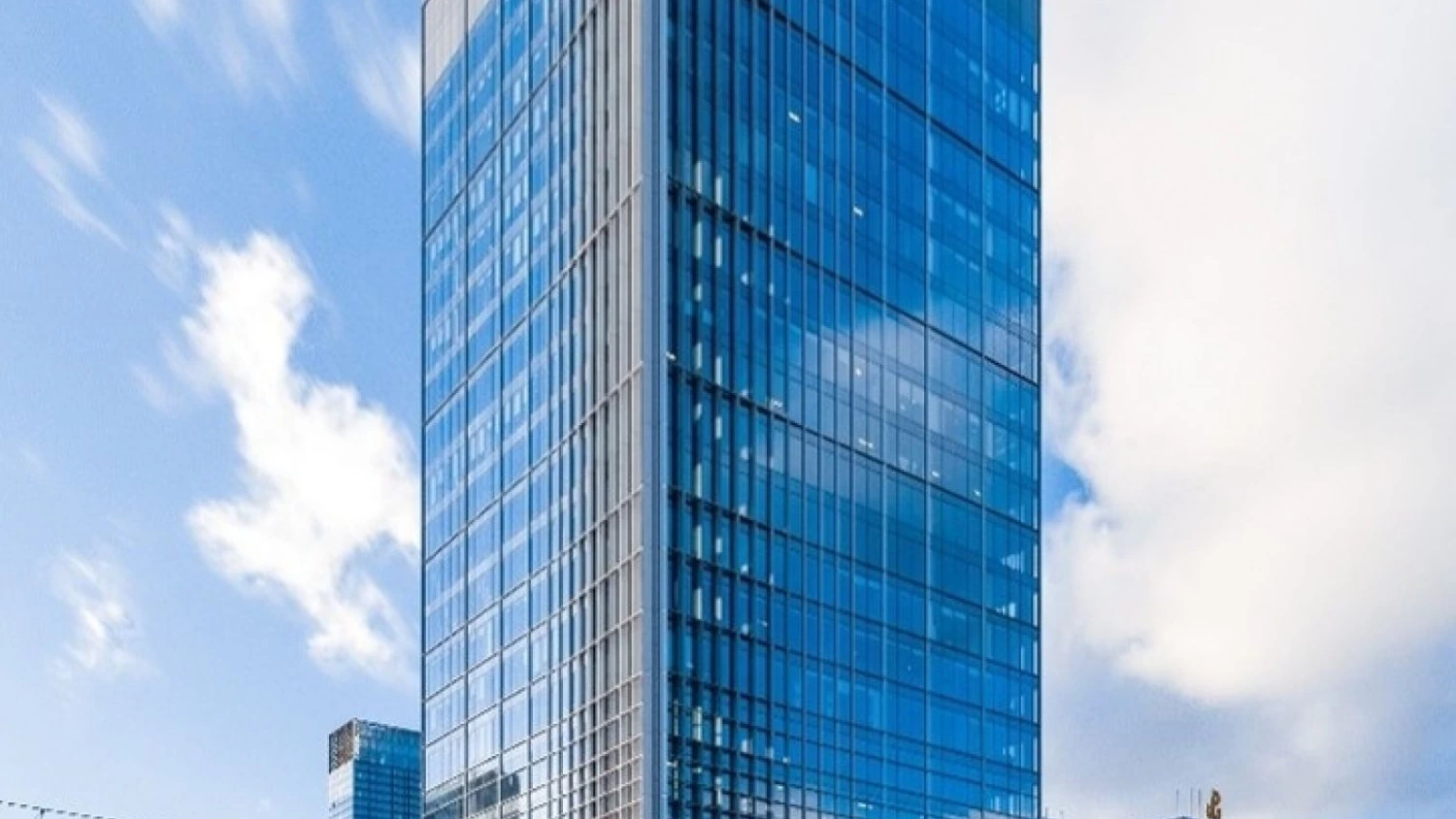
AFI and Echo Investment have signed a lease for approximately 20,000 sqm across 11 floors of AFI Tower in Warsaw with PwC Polska, described as the largest office leasing transaction in Poland so far this year. PwC will become the anchor tenant of the 150-metre, 40-storey tower and plans to relocate its Warsaw office there in early 2029. The building is the tallest element of the Towarowa22 mixed-use development, which is being delivered by AFI, Echo Investment and Archicom and combines office, residential, retail and leisure uses.
Real estate |
4 August, 2026 at 1:06 PM
Commercial real estate investment across six Central and Eastern European markets reached €5.8 billion in the first half of 2026, according to Colliers, with the Czech Republic accounting for roughly a quarter of that total at over €1.4 billion. Although this represents a nominal decline from the record €2.2 billion recorded in the same period last year, analysts at Colliers view the result as a stabilisation following an period of exceptional activity.
Real estate |
29 July, 2026 at 2:41 PM
GTC Group has published its 2025 ESG Report, covering sustainability performance across seven Central and Eastern European markets. The report, prepared in accordance with GRI standards, spans a commercial portfolio of 38 office buildings and 6 shopping centres in Poland, Hungary, Serbia, Romania, Bulgaria and Croatia, alongside a residential portfolio. The company reports that 99% of its commercial buildings are now certified under LEED, BREEAM or DGNB standards, or are undergoing recertification.
Real estate |
27 July, 2026 at 1:37 PM
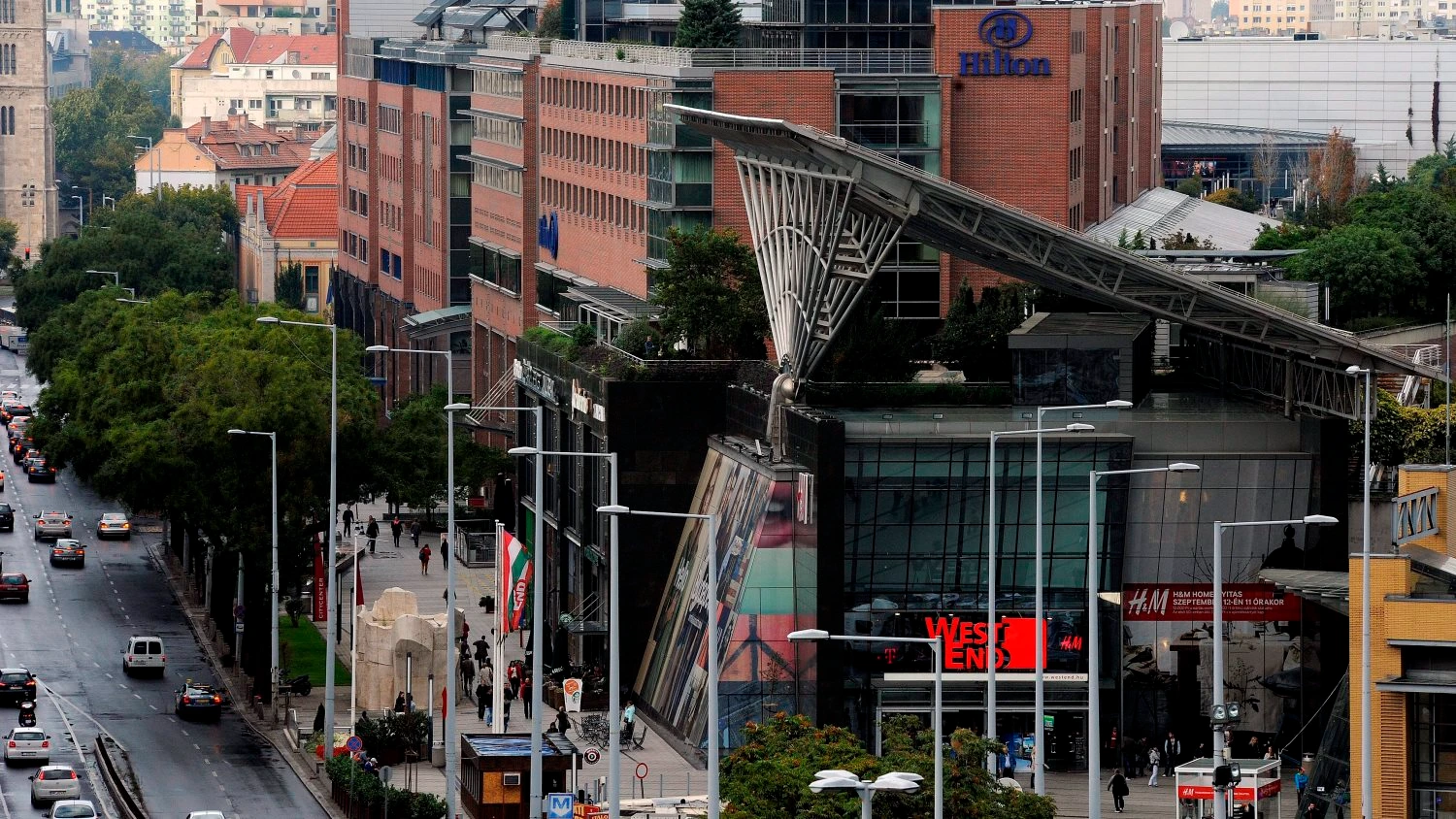
Gránit Pólus Group has closed a €290 million green loan refinancing of the Westend building complex in Budapest, described as the largest real-estate refinancing transaction in Hungary in the past five years and a record for a single property. The financing is provided by a bank consortium led by Erste Bank Hungary and Erste Group Bank AG, and comprising UniCredit Bank and K&H Bank.
Real estate |
27 July, 2026 at 12:36 PM
Water scarcity is no longer limited to historically dry regions of Southern Europe. According to the European Drought Observatory, drought conditions intensified across France, Germany, Austria, Hungary, Romania and the United Kingdom in June 2026. Low water levels in German rivers are affecting shipping and industry, while England's 2025 drought led to water restrictions for millions of people and historically low reservoir levels.
Real estate |
20 July, 2026 at 6:00 AM
The modern industrial and logistics sectors in Central and Eastern Europe are navigating a highly complex macroeconomic environment. Globally, industry consumes 24% of total energy1, and in an era of volatile utility prices, energy efficiency has shifted from a corporate social responsibility initiative to an operational imperative. Simultaneously, facility and plant managers grapple with continuous operational risks. Industry data reveals that the average manufacturing plant loses between 5% and 20% of its annual productivity to unplanned downtime2 – an issue that 90% of manufacturers rank as their top operational threat. Faced with persistent skilled labour shortages and an ageing workforce, industrial operators must fundamentally rethink their infrastructure strategy to secure long-term competitiveness.
Real estate |
30 June, 2026 at 9:39 AM
Daniel State, Managing Partner of Rustler Romania, talked to Property Forum about the company's strategic focus on critical infrastructure and high-risk environments. He discussed bridging the gap between data, execution, and business continuity, as well as the growing demand for integrated consultancy. He also emphasized the importance of mindset and the ability to operate under pressure in critical environments.
Real estate |
26 June, 2026 at 2:30 AM
Nicolae Ciobanu, Managing Partner - Head of Advisory at Fortim Trusted Advisors, talked to Property Forum about the resilience of the Romanian real estate market. He highlighted that domestic capital now provides a vital stabilisation anchor, representing over a third of the investment volume while international players add essential liquidity.
Real estate |
17 June, 2026 at 10:46 AM
Joint venture partners Immobel and Universale have sold the Central Point office building, in Warsaw's Central Business District, to Lewandpol Property, for €107 million.
Real estate |
16 June, 2026 at 2:00 PM
Passerinvest Group, in partnership with the GEMO group, has advanced construction on the Sequoia development in Prague, with final completion scheduled for H1 2028. Gemo is also serving as the general contractor for the project.
Real estate |
16 June, 2026 at 5:45 AM
Monia Dobrescu, Head of Real Estate & Construction at Mușat & Asociații, talked to Property Forum regarding the legislative shifts defining the 2026 property landscape. She highlighted the impact of Law No. 207/2025 on transaction security, the evolution of ESG-linked project financing, and the legal hurdles facing expansion into Romania's secondary cities.
Real estate |
15 June, 2026 at 4:30 PM
To understand the trajectory of the Hungarian office market, we must look at the wave of new completions, a pivoting government economic policy, and the mid-term disruptive potential of AI, according to an analysis by Gábor Regős, Chief Economist at Gránit Asset Management.
Real estate |
2 June, 2026 at 1:35 PM
Colliers has released its 2025 Global Sustainability Report, showing progress against its sustainability commitments including reduced emissions intensity, enhanced workplace experience, strengthened governance and ethics, and responsible adoption of artificial intelligence.
Real estate |
18 May, 2026 at 1:05 PM
Crestyl Group has secured a €185 million medium-term refinancing package for its Dock In Office Park in Prague, jointly underwritten by Deutsche Pfandbriefbank (pbb) and Helaba. The transaction capitalises on the lenders' long-term involvement with the Prague 8 commercial development. Prior to this agreement, both pbb and Helaba successfully provided the financing for all five individual phases of the waterfront office park.
Real estate |
27 April, 2026 at 8:26 AM
In a video interview recorded at Bratislava Property Forum 2026, Hubert Abt FRICS, CEO of workcloud24, explains why energy performance is emerging as the most important operational metric, how investors are approaching sustainability and what it takes to create real value through data-driven asset management.