Adrian Pop, General Manager of ADP Green Building, spoke with Property Forum about the role of financial institutions in increasing the sustainability of real estate projects and the growing demand for certifications from international real estate investors.
Bogdan Nicoară, CEO of Bright Spaces, talked to Property Forum about the startup's plan to operate in eight markets by year-end and the diversification of its digitalisation platform for real estate companies. He also mentions some of the main trends shaping the proptech industry.
Romanian developer HILS Development has announced a 28% increase in residential sales during H1 2024 compared to the same period of last year, while revenue was up 25% year-on-year.
Bucharest's Mayor Nicușor Dan has announced that he will be tasked with issuing traffic permits for new Urban Zoning Plans (PUZ), Urban Developing Plans (PUD) and construction authorizations.
Lavinia Ioniță Rasmussen, Partner at NNDKP's Real Estate practice, spoke with Property Forum about the acceleration of commercial and residential development in regional cities and the potential of the local market to offer higher returns for property investors compared to other countries in the region.
Romania's commercial property sector recorded investment transactions of €418 million in H1 2024, up 131% year-on-year, marking the biggest volume growth across CEE, according to Cushman & Wakefield Echinox.
The average price of new homes in Romania amounted to €1,504 per sqm in 2023, which was the third lowest price in Europe, behind Bosnia and Herzegovina and Greece, according to a Deloitte report.
Bucharest's short-term rental industry is expected to outperform the previous year's level and has already recorded estimated revenues close to €24 million in H1 2024, according to a Crosspoint Real Estate report.
Romanian developer One United Properties says its volume of sold and pre-sold residential units, parking spaces and commercial spaces amounted to around €123.8 million during H1 2024. This result is up by 2.5% compared to the same period of last year.
Hili Properties, the real estate arm of Hili Ventures, has successfully secured the remaining 25% shareholding of the company which owns the MIRO office building in northern Bucharest.
Roxana Frățilă, Partner, Head of Real Estate & Construction at CMS, spoke to Property Forum about the key deals closed in the retail market in 2023 and accelerating investment in renewable energy.
Romania's Government has signed in mid-July a memorandum of understanding with US tech giant Google as the country is looking to boost its cloud infrastructure for public services.
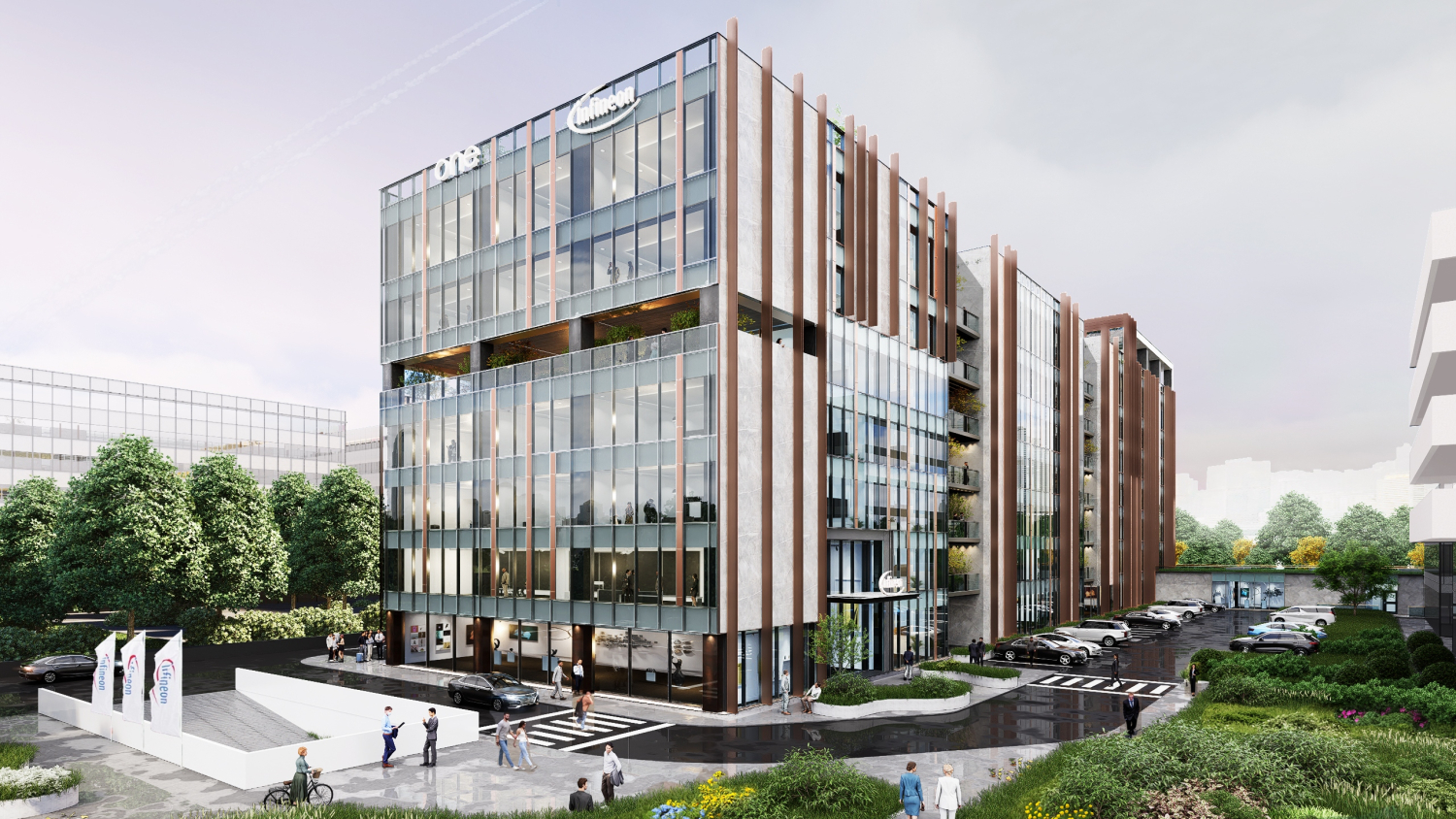
Romanian developer One United Properties has started the construction of One Technology District, which will host the largest R&D centre of Infineon Technologies in Southeast Europe.
CBRE Romania has purchased the franchise for a job fair that will be launched for the first time in Bucharest under the “night of companies” concept.
Romanian developer One United Properties has announced that construction has kicked off at Mondrian Hotel in Bucharest, with completion expected in 2026.
Monia Dobrescu, Partner at Mușat & Asociații, spoke to Property Forum about the growing role of ESG criteria in bank financing of real estate projects and the prospects for investment in the local market in 2024.
Romanian developer Eden Capital aims to deliver by H2 2026 a new high-end residential complex in northern Bucharest with an estimated value of €130 million.
The leasing volume of industrial and logistics spaces in Romania amounted to 410,500 sqm during H1 2024, down by 25% versus the same period of last year, with close to half of the total take-up recorded in Bucharest region, according to a Cushman & Wakefield Echinox report.
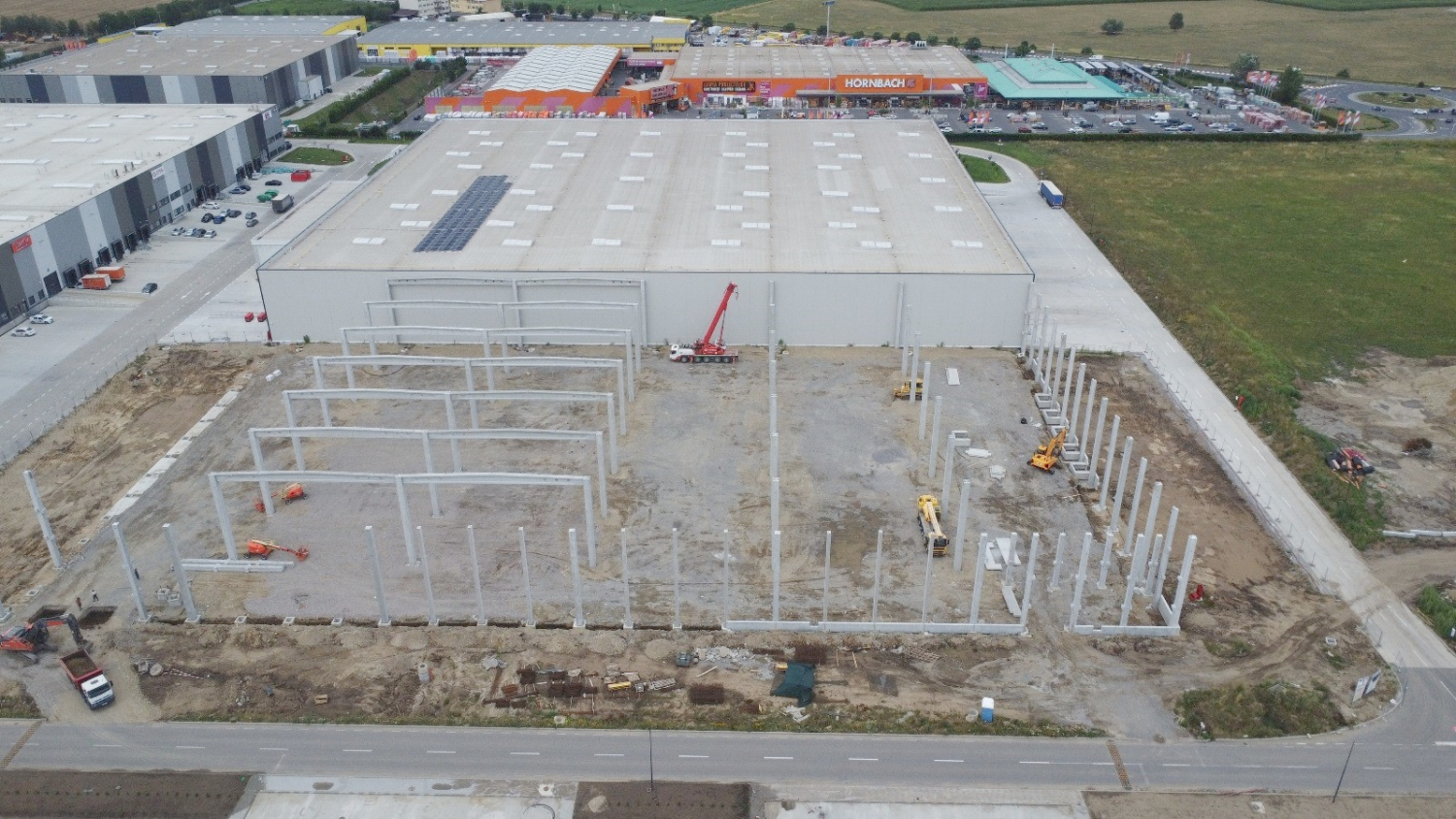
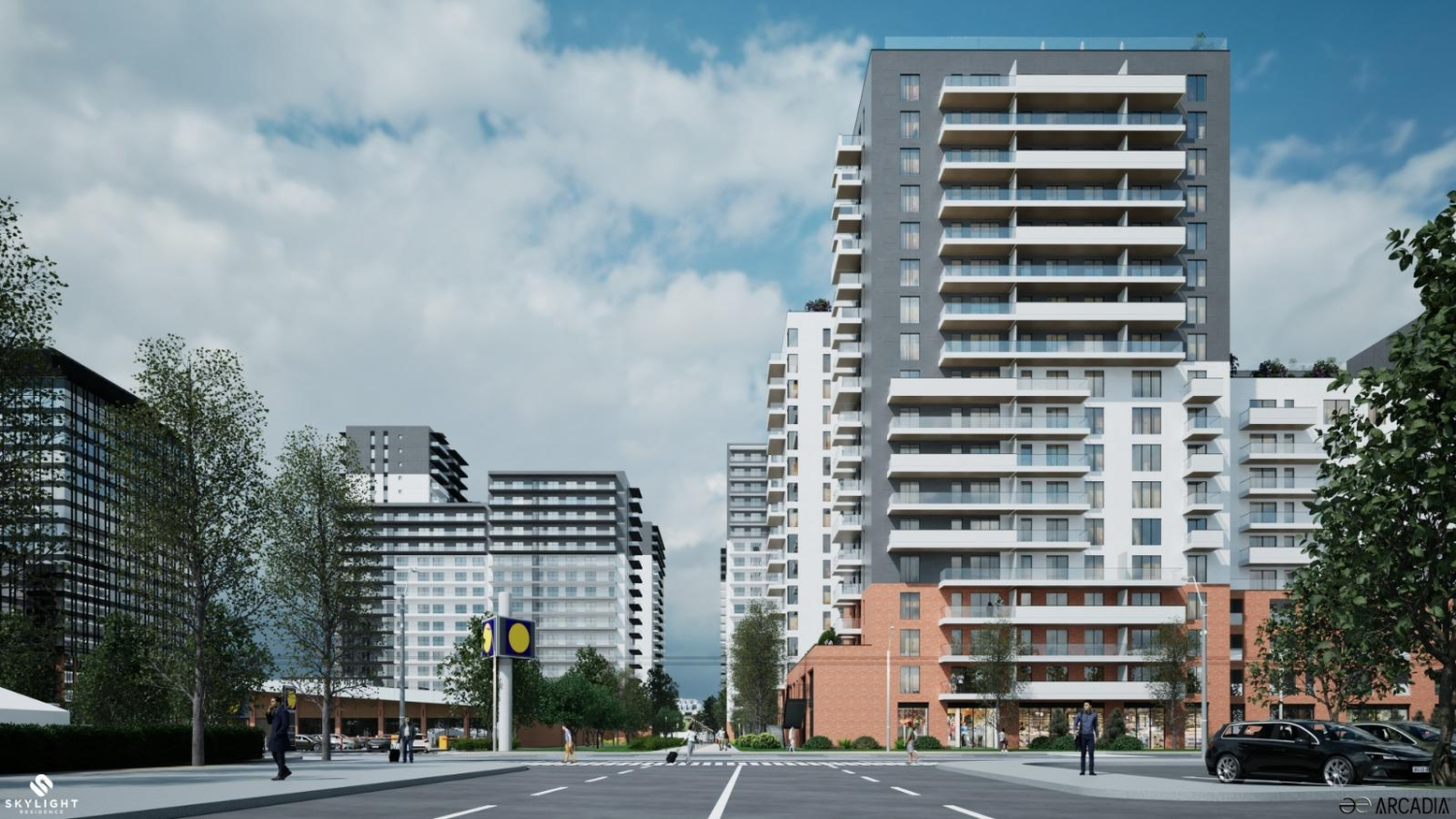
InteRo Property Development, owned by the Canadian Topolinski investors family, has kicked off the construction of a new mixed-use project in Bucharest with a valuation of €1 billion.
The office leasing volume closed in H1 2024 grew by 0.2% compared to the same period of last year, with Bucharest seeing the biggest activity, followed by Cluj-Napoca and Timișoara, according to a report by Fortim Trusted Advisors.
The European Bank for Reconstruction and Development is providing €35 million to GreenWay as part of a €113 million financing package to expand electric vehicle charging infrastructure across Central Europe.
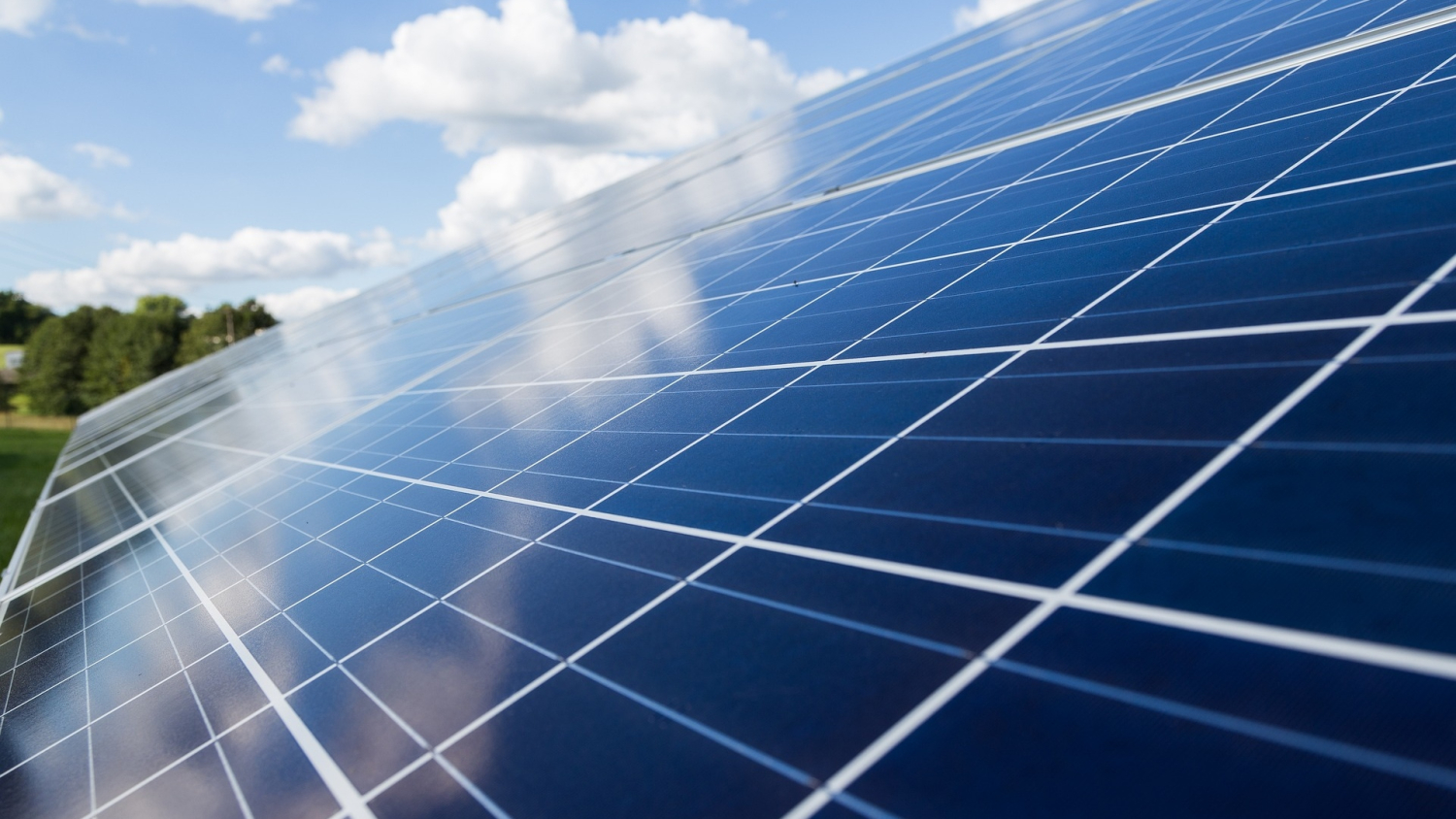
The newly published Edition 2 2026 of the PV Module Manufacturer Ranking Report shows the first signs of stabilisation in the solar manufacturing sector's balance sheets after more than a year of steady deterioration. The table tracks the Altman Z-Score, a widely used measure of bankruptcy risk, for 64 publicly listed photovoltaic module manufacturers, and has now been refreshed with first-quarter 2026 data.
The Faculty of Hydrotechnics from the Technical University of Civil Engineering Bucharest and Waldevar Floating PV have signed a strategic partnership to accelerate innovation in renewable energy and prepare the next generation of specialists in floating photovoltaic technologies.
Rezolv Energy has commissioned the St. George solar park in Silistra, Bulgaria, marking the company's first project to become operational. The 225 MW facility reached full operational status in under three years from acquisition of development rights.