

How does ProCredit integrate ESG principles into its core business operations and overall strategic planning?
Over the last years, we've achieved our target of allocating more than 20% of our loan portfolio to support the green investments of our clients while our total assets have been on an increasing trend. We strongly believe that in addition to facilitating investments in renewable energy projects or other green investments, we can have a significant impact by accompanying all our customers towards more sustainable production processes.
This is particularly important for us as we finance SMEs, especially in industry and agriculture, sectors that pose a medium to high environmental risk because their operations are resource-related and energy-consuming.
What goals do you have and what decisions will you take to become carbon neutral? What are the targets for group emission reductions?
Although we admit the benefits of short-term carbon neutrality, our plans and strategy go in line with net zero carbon emissions by 2050. This means that for our internal emissions, we can have an absolute approach to reduction, aiming for 42% by 2030 according to the SBTi interim target.
We are aware that our biggest challenge is linked to our financed loan portfolio. In the transition to net zero carbon emissions, our target for 2030 is to engage and help as many of our clients through supporting their financing needs that will reduce their carbon footprint with emphasis on agriculture and manufacturing clients. We are well aware that a net-zero approach implies our entire ecosystem, our staff, clients and suppliers and all other stakeholders who are as committed as we are to building a more resilient and green society.
Our focus would be to develop a business strategy that is based on an advisory role regarding the emission quantification, targets setting support, and new green finance opportunities, that will lead our clients towards the reduction of those emissions. We intend to support our clients in the quantification of their emissions and setting of their near-term targets, followed by actions for emission reduction.
Can you provide examples of specific sustainability initiatives that ProCredit has implemented to reduce its environmental impact and promote social responsibility?
Specifically, in our daily activities, we consider applying best practices for energy efficiency in our offices, using electricity from renewable energy sources, using as much as we can electric cars for transport, and adequately training our employees on the impact of various activities on the environment.
Most of our offices are in buildings certified as energy efficient. In addition, all the locations where we operate are fully illuminated with LED technology.
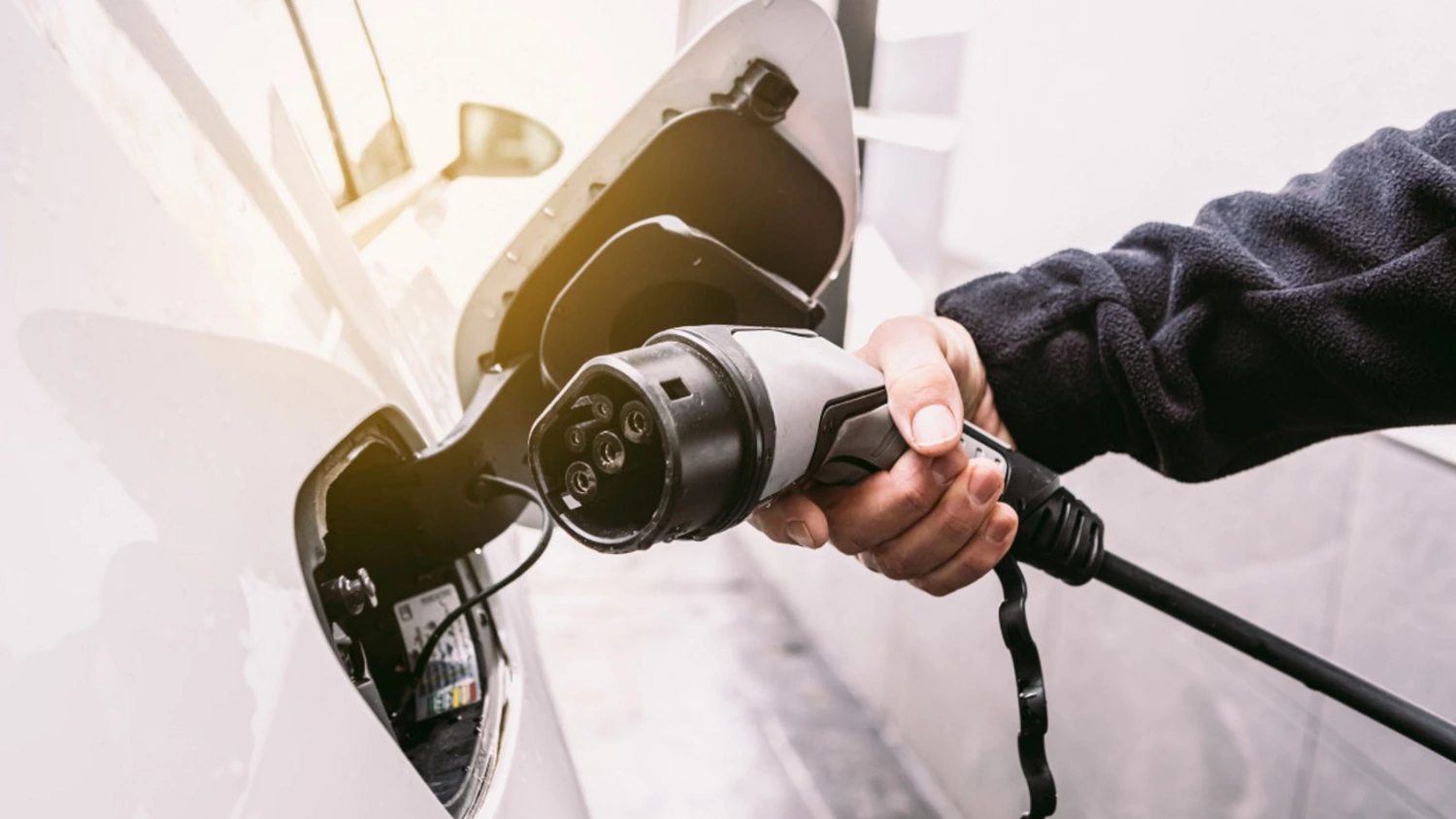
ProCredit Bank purchased its first electric vehicles in 2018. Since then, 45% of the car fleet consists of 100% electric vehicles. Additionally, the Bank supports electric mobility, so we have installed, in partnership with EVconnect, 18 electric charging points for vehicles in several locations in the country.
What steps has ProCredit taken to measure and report its progress in achieving sustainability goals and ESG targets?
To minimize climate risks, we have decided to align our operations with the recommendations of the Task Force on Climate-related Financial Disclosures. Thus, we envisage two main projects. The first is addressed to the physical risk in which, using a geographic information system, we perform an analysis at the client and portfolio level.
The second one focuses on the transition risk, in which we perform a stress analysis to define the sectoral activities that must be prioritized in terms of decarbonization and identification of new opportunities in the business environment. Through this approach, we want to guide and support our customers in this transition.
How do you support small and medium-sized enterprises (SMEs) in adopting sustainable business practices, and what resources or services are offered to facilitate this transition?
By financing projects aligned with climate action and environmental sustainability, we want to highlight ProCredit Bank's commitment to supporting the transition to a low-carbon economy.
Specifically, in the medium and long term we support green investments in a wide range of projects covering multiple areas, from renewable energy and energy efficiency to mobility and agriculture. These types of investments will particularly target companies facing rising costs of new technologies, perceived increasing risks of climate change challenges, and lack of availability of finance.
At the same time, although we feel there is an increased interest in investing in photovoltaic plants, many companies (SMEs) and households do not have enough information. Due to our experience in financing investment projects in renewable energy sources, we strive to convey as much information as possible to interested individuals and legal entities and provide financial and technical support through daily meetings and consultations.
ProCredit Group inaugurated in 2023 its photovoltaic park - ProEnergy - in Lipjan, near Pristina, Kosovo. Do you have plans to inaugurate PV parks in other locations?
At the group level, we analyze the opportunity to develop such additional photovoltaic parks in the region which can have a positive impact. These projects not only reduce reliance on coal but also promote clean and sustainable energy generation, thereby mitigating environmental damage and improving public health.
We are aware that the energy market in Romania is changing and we are already noticing an opening towards investments in bigger projects with installed capacities. That is why, in continuation of the process of supporting the decisions of SMEs that want to invest in the renewable energy sector, ProCredit Bank Romania proposes to manage syndicated loans for projects with installed capacities of up to 50 MW, together with colleagues from ProCredit Germany and institutional partners active in the green energy sector.