Green Forum
| 14 March, 2024 at 7:00 AM
H.Essers announced the construction of its first CO2-neutral warehouse spanning 10,000 mp at high Seveso standards for Agricover Distribution in Romania.
Green Forum
| 6 March, 2024 at 7:30 AM
Romanian businesses operating following national waste recycling legislation can receive up to €8.4 million to build a recycling plant.
Green Forum
| 5 March, 2024 at 8:00 AM
The company estimates that the project will be fully completed within six months.
Green Forum
| 4 March, 2024 at 8:30 AM
This initiative aims to enhance accessibility to top-tier logistics infrastructure in both nations while contributing to Europe's transition towards sustainability.
Green Forum
| 27 February, 2024 at 7:30 AM
EBRD has approved a €6 million loan for KAM, a leading food retailer in North Macedonia.
Green Forum
| 23 February, 2024 at 10:00 AM
Douglas' sustainability strategy is part of the company's "Let it Bloom - DOUGLAS 2026" strategy, focused on accelerating growth through an omnichannel business model.
Green Forum
| 23 February, 2024 at 7:00 AM
The Corporate Sustainability Reporting Directive (CSRD), officially known as Directive (EU) 2022/2464, has been incorporated into Romanian legislation.
Green Forum
| 19 February, 2024 at 11:00 PM
Pipe manufacturer Artrom Steel Tubes will invest more than €6 million in 2024 to optimize measures to reduce carbon emissions and fuel consumption.
Green Forum
| 9 February, 2024 at 11:00 AM
The companies can submit their project proposals until 12 March 2024.
Alina Oprea
| 29 January, 2024 at 11:10 AM
Grunman Energy, the company in the field of renewable energy production controlled by the Pavăl brothers, owners of Dedeman, has received a capital infusion from the parent company.
Alina Oprea
| 1 November, 2023 at 10:35 AM
In Rătești commune, Argeș County, the largest photovoltaic park in South-Eastern Europe was inaugurated and will be connected in the next period.
Alina Oprea
| 4 October, 2023 at 10:40 AM
Companies in Romania can reduce costs related to environmental obligations by 50%, but many have a harder time complying with the legislation, according to Green Environment Support.
Alina Oprea
| 22 September, 2023 at 11:34 AM
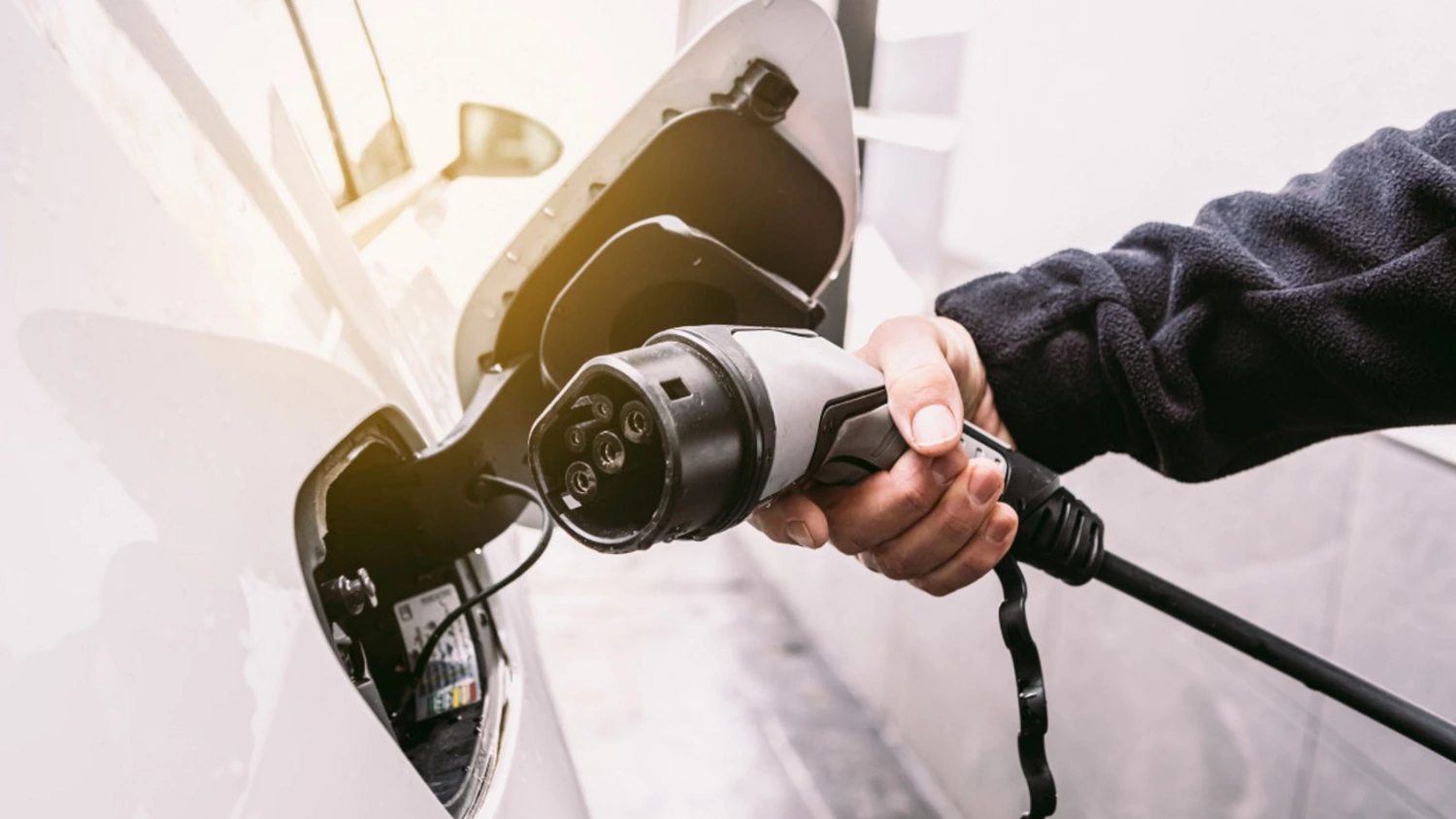
Depanero, a service company from Romania, is expanding its range of services in the area of electric mobility and green energy.
Alina Oprea
| 7 August, 2023 at 3:50 PM
The market for installing photovoltaic panels on residential buildings has a potential of over €800 million, according to an E-Accumulatori.ro analysis.
Alina Oprea
| 12 July, 2023 at 3:00 PM
Pehart Group, the leading producer of household paper products in Romania and one of the largest tissue paper producers in South-East Europe, is investing this year more than €20 million in the energy efficiency of the production lines of its two factories in Petrești-Sebeș and Dej.
Maria-Antoanela Ionita
| 20 June, 2023 at 1:21 AM
In the face of mounting environmental challenges, the FMCG sector is using innovation to reduce ecological impact and cultivate consumer trust. In this article, we explore key innovations for FMCG led by entrepreneurs in Central and Eastern Europe, such as alternative packaging materials and low-carbon protein alternatives.
Alina Oprea
| 15 June, 2023 at 5:30 PM
BRD – Groupe Société Générale granted sustainable financing of RON1.1 billion (€220 million) last year. BRD launched 2022 its first green lending products for individuals. Also, the BRD Group reduced its energy consumption by 12.5% compared to the previous year and the greenhouse gas emissions resulting from operations.
Alina Oprea
| 16 May, 2023 at 3:18 PM
We report from Romania ESG Forum 2023, an international business conference organized by Green Forum & Property Forum in Bucharest earlier this month.
Alina Oprea
| 16 May, 2023 at 9:08 AM
The Sustainability Academy was launched, the first social and educational platform dedicated to SMEs in Romania, with free access. The Sustainability Academy is a Sustainable Futures brand project initiated by Social Innovation Solutions together with the Coca-Cola Foundation, founding partner, and BCR, main partner. The Sustainability Academy aims to help SMEs willing to adopt sustainability strategies and aims to increase the number of sustainable businesses in Romania.
Alina Oprea
| 16 May, 2023 at 8:27 AM
BCR gas entered the international market with the first issue of green Eurobonds, worth €700 million. The funds will be directed toward renewable energy projects, green mortgages, and green buildings.
Alina Oprea
| 16 May, 2023 at 4:21 AM
The Bosch Power Tools division is taking a big step forward with regard to its sustainability goals. Thus, starting in the autumn of 2023, 23 new and improved measuring instruments will be available, together with the related accessories and packaging, all presenting a new concept of sustainability and being produced with as much recycled material as possible.
Alina Oprea
| 10 May, 2023 at 9:07 AM
BASF plans to invest up to €4 billion to achieve its climate protection targets by 2030. The group wants to reduce greenhouse gas emissions from our production sites and our energy purchases by 25% by 2030, compared with the 2018 baseline. BASF set a global target to promote female leadership and aims to increase the proportion of women in leadership positions to 30% by 2030.
Alina Oprea
| 9 May, 2023 at 4:02 PM
The banking sector has a very important role in promoting the green economy by providing green loans and sustainable support.
Alina Oprea
| 3 May, 2023 at 3:50 PM
Orange circular economy program "Re" - Buy-Back, Recycling, Repair, Refurbishment completes 1 year since its launch in Romania. The company collected approximately 300,000 old phones, the equivalent of more than 29 tons, and repaired 60,000 phones. Customers who bring old phones to the store receive a €100 voucher that they can use to buy a 5G phone.