Over 80% of Kaufland's suppliers are from Romania, and this percentage is growing year by year, says Valer Hancaș, Director of Communication and Corporate Affairs, Kaufland Romania.
The Iasi airport will have a new passenger terminal at the end of 2023, its construction having started in the fall of 2022. It will have solar panels installed, in order to save on energy consumption. The works at the new terminal are carried out by Strabag.
More than 3,000 MW of solar energy projects are to be installed in Romania in the next two years, thanks to European funds. The government is preparing green funding from the Modernisation Fund: over €1.5 billion for companies and local authorities. Romania is among the top 10 countries in alternative energy consumption.
The company Aerostar Bacău invests €3 million from its own sources in the implementation of a photovoltaic park. The photovoltaic park consists of over 7,000 panels, located on the roof of the buildings owned by Aerostar.
This year's Environmental Fund Administration (AFM) has a budget of over RON13.3 billion (€2.66 billion). The Casa Verde Photovoltaic program has a budget of RON2 billion (€400 million), double that of the previous session. Also, a budget of over RON1.5 billion (€300 million) is allocated for the three Rabla programs, through which the Ministry of the Environment aims to eliminate over 200,000 old cars this year.
The Polish company R.Power Group is developing a project portfolio of over 1 GWp in Romania. The company plans to expand its share of this market in the coming months and sign more contracts for photovoltaic projects. It is estimated that the construction of the first projects will begin next year.
AE SOLAR is to produce solar panels in Romania, through an investment of €1 billion in a factory, informs the Romanian Government. This would be one of the largest investments announced in recent years in Romania. In the final phase, the project will have a capacity that will reach 10 GW.
Prebet Aiud will build some production halls, for which it signed a contract of over €1 million. A photovoltaic park will be developed above these halls, considering that the company wants to become energy independent.
Tuborg Romania invested €525,000 in a system of solar panels with a capacity of 396 KWp that it mounted on the roof of the distribution centre in Pantelimon. The energy will be used for own consumption.
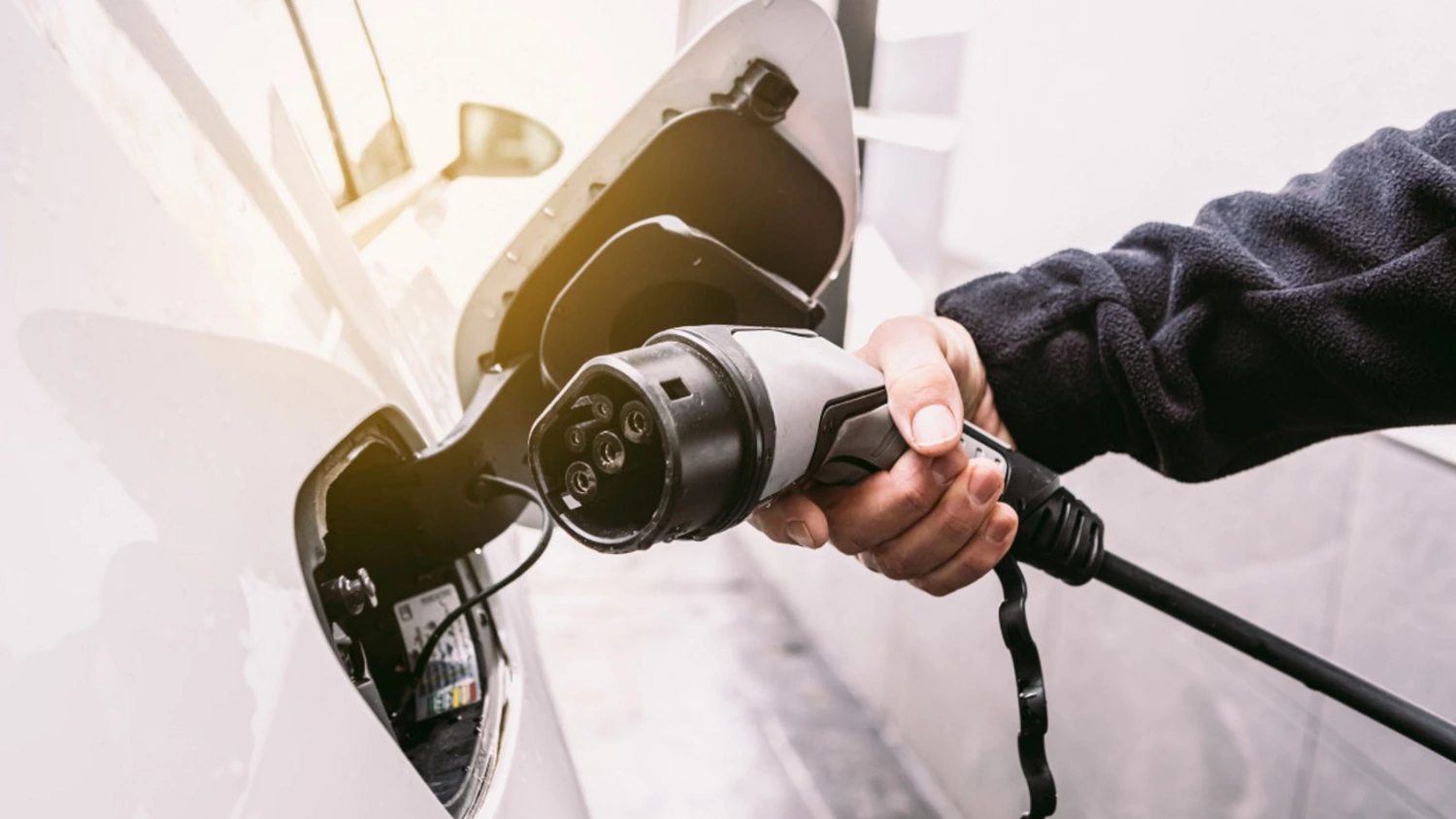
The European Bank for Reconstruction and Development is providing €35 million to GreenWay as part of a €113 million financing package to expand electric vehicle charging infrastructure across Central Europe.
The newly published Edition 2 2026 of the PV Module Manufacturer Ranking Report shows the first signs of stabilisation in the solar manufacturing sector's balance sheets after more than a year of steady deterioration. The table tracks the Altman Z-Score, a widely used measure of bankruptcy risk, for 64 publicly listed photovoltaic module manufacturers, and has now been refreshed with first-quarter 2026 data.
The Faculty of Hydrotechnics from the Technical University of Civil Engineering Bucharest and Waldevar Floating PV have signed a strategic partnership to accelerate innovation in renewable energy and prepare the next generation of specialists in floating photovoltaic technologies.
Rezolv Energy has commissioned the St. George solar park in Silistra, Bulgaria, marking the company's first project to become operational. The 225 MW facility reached full operational status in under three years from acquisition of development rights.