In 2021, the source that contributed the most to the EU's primary energy production was renewable energy, respectively 41% of the total energy production in the European Union. In the case of Romania, the main sources of energy in 2021 were natural gas (32.3%), renewable energy (26.7%), solid fuels (14.5%), crude oil (14.1%), and nuclear energy (12.5%).
The EP adopts key laws to achieve the 2030 climate goal. Free allowances under the Emissions Trading Scheme (ETS) will be phased out in 2026. GHG emissions in the ETS sectors must be cut by 62% by 2030 compared to 2005 levels.
G7 ministers finish two days of meetings on Japan's climate, energy, and environmental policy. The G7 countries set the urgent need to reduce global GHG emissions by around 43 percent by 2030. The members pledged to increase offshore wind capacity by 150 GW by 2030 collectively and solar capacity to more than 1TW.
Simtel Team wants to access credits of €100 million for photovoltaic plants with a total capacity of over 100 MWp. The decision will be approved in the General Meeting of Shareholders on April 26.
Wind and solar energy reached a record high of 12% of global electricity generation in 2022. All renewable energy sources, including nuclear power, comprised 39% of global electricity last year. Meanwhile, EU countries are lagging behind with wind power expansion.
Raiffeisen Bank enters the market with the second tranche of the sustainable bond issue, which amounts to approximately RON 490 million (€98 million), for which it must pay an interest rate of 8.29% per year.
Renewable energy sources could reach a share of approximately 34% in 2030. Europe has assumed that by 2050 it will become the first climate-neutral continent.
The largest wind farm in Romania will be built in Galati County on land from 13 localities. The investment amounts to half a billion euros. The wind farm will be built on an area of approximately 13,000 hectares.
Investments in renewable energy technologies reached a record of $1.3 trillion last year, according to the International Renewable Energy Agency. The world needs around $35 trillion for transition technology by 2030, says IRENA. Renewable energy deployment must grow from around 3,000 GW annually today to over 10,000 GW in 2030.
Investors prefer sustainability to be measured in the case of commercial buildings too. Therefore new detailed rules will be elaborated and a so-called green passport for properties will be introduced, international law firm Baker McKenzie and CBRE reported after a special roundtable discussion in Budapest.
Global renewable energy capacity amounts to 3,372 gigawatts (GW) at the end of last year, some 295 GW or 9.6% higher than the previous year. The International Renewable Energy Agency (Irena) expects an increase in the number of employees in the renewable energy sector up to a total of 38.2 million in 2030, as investments in energy efficiency, electric vehicles, or hydrogen will increase.
Hidroelectrica signed a joint venture agreement with Masdar from the United Arab Emirates, for the construction of offshore wind farms and floating solar farms in Romania. Hidroelectrica is the largest producer of green energy in Romania, with a portfolio of 187 hydropower plants, with a hydropower capacity of 6.3 GW, plus the Crucea wind farm, with an installed capacity of 108 MW.
In the Republic of Moldova, the installed capacities for the production of electricity through power plants that capitalize on renewable energy sources (photovoltaic, wind, hydroelectric, and biogas cogeneration power plants) have increased three times since 2018. At the end of 2022, the power the total installed capacity was 206.81 MW, compared to 61.6 MW at the end of 2018, according to the Agency for Energy Efficiency of the Republic of Moldova.
The Dageco Expoziției Estate office building has obtained funding for the installation of 260 photovoltaic panels on the roof. The investment amounts to RON 500,000 (€100.000), without VAT, and the financing is provided by the Electric-Up program.
The Ministry of Investments and European Projects launches the REPowerEU chapter in public consultation, which will bring Romania €1.4 billion for energy independence. The amount will be used for strategic investments in the key area of energy security, which will allow the creation of clean energy production and storage ecosystems (hydropower, photovoltaics). The set of proposed measures will have a positive impact in supporting the acceleration of Europe's clean energy transition.
Kajima and Griffin Capital Partners acquired a 70% stake in Hymon, Poland's leading photovoltaic installation company. Hymon has a track record of approx. 472 MW installed photovoltaic capacity.
The company Aerostar Bacău invests €3 million from its own sources in the implementation of a photovoltaic park. The photovoltaic park consists of over 7,000 panels, located on the roof of the buildings owned by Aerostar.
The EDP Group will invest €25 billion by 2026, of which €21 billion are focused on new renewable sources. EDP makes its repeated commitment to stop using coal by 2025, and to generate 100% from renewable sources by 2030.
Hidroelectrica, a producer of renewable energy, wants to publish its first sustainability report. Last year, the state-owned company had a net profit of RON 4 billion (€800 million).
The subway transport company from Bucharest, Metrorex, has launched a tender for the purchase of electricity for one year in the electronic public procurement system. It is advantageous who offers more energy from renewable sources.
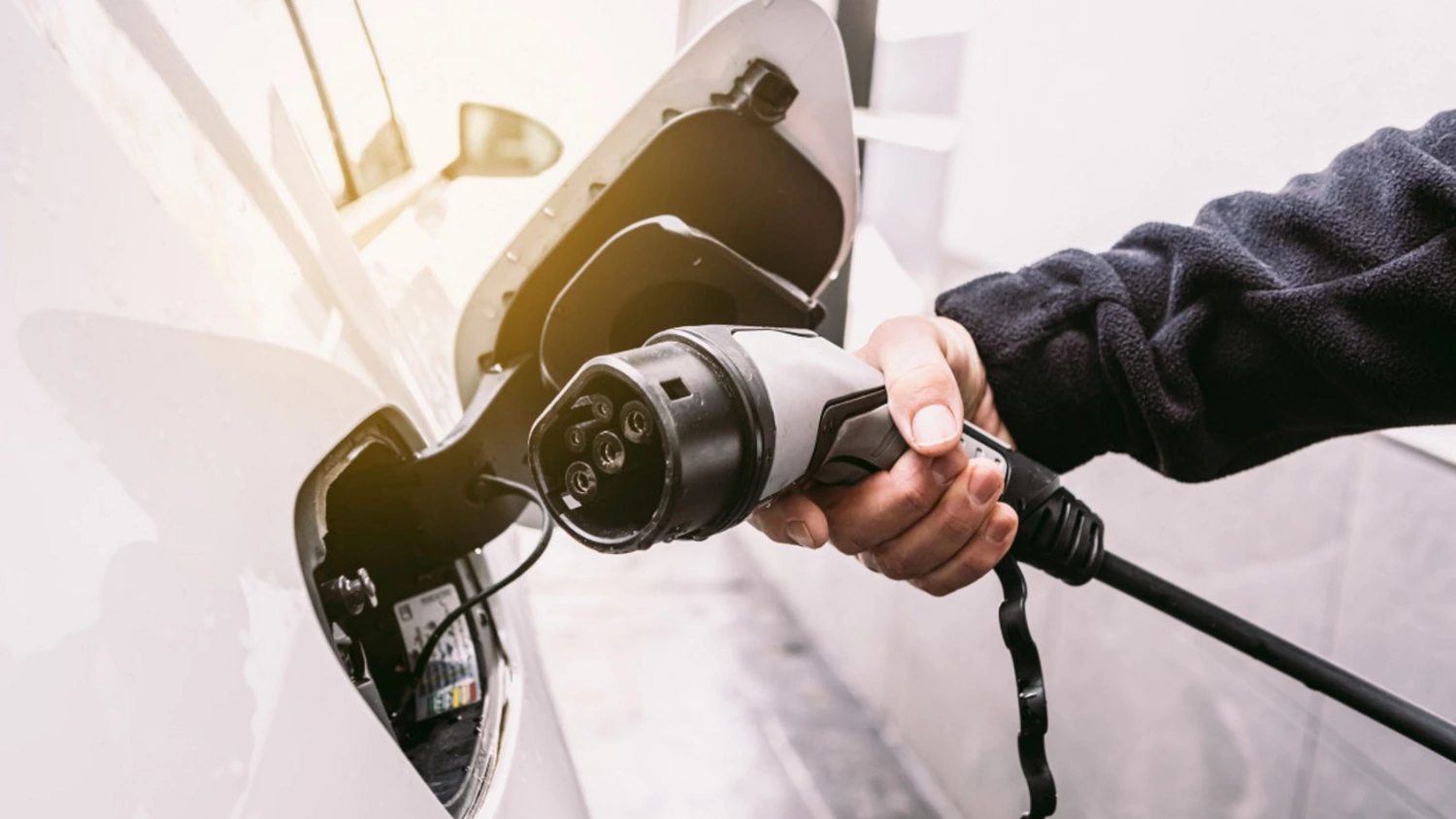
The European Bank for Reconstruction and Development is providing €35 million to GreenWay as part of a €113 million financing package to expand electric vehicle charging infrastructure across Central Europe.
The newly published Edition 2 2026 of the PV Module Manufacturer Ranking Report shows the first signs of stabilisation in the solar manufacturing sector's balance sheets after more than a year of steady deterioration. The table tracks the Altman Z-Score, a widely used measure of bankruptcy risk, for 64 publicly listed photovoltaic module manufacturers, and has now been refreshed with first-quarter 2026 data.
The Faculty of Hydrotechnics from the Technical University of Civil Engineering Bucharest and Waldevar Floating PV have signed a strategic partnership to accelerate innovation in renewable energy and prepare the next generation of specialists in floating photovoltaic technologies.
Rezolv Energy has commissioned the St. George solar park in Silistra, Bulgaria, marking the company's first project to become operational. The 225 MW facility reached full operational status in under three years from acquisition of development rights.