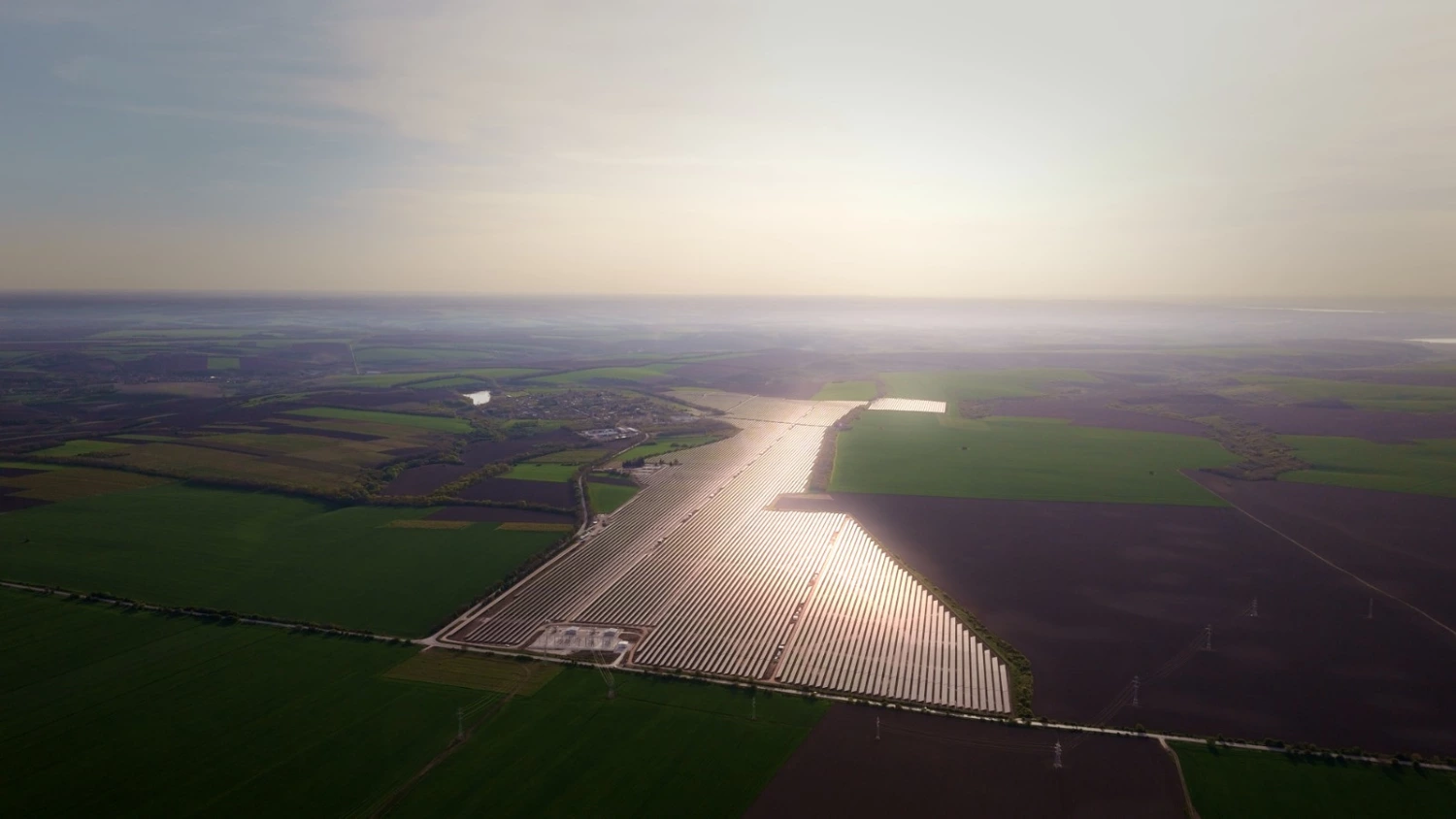
Rezolv Energy has commissioned the St. George solar park in Silistra, Bulgaria, marking the company's first project to become operational. The 225 MW facility reached full operational status in under three years from acquisition of development rights.
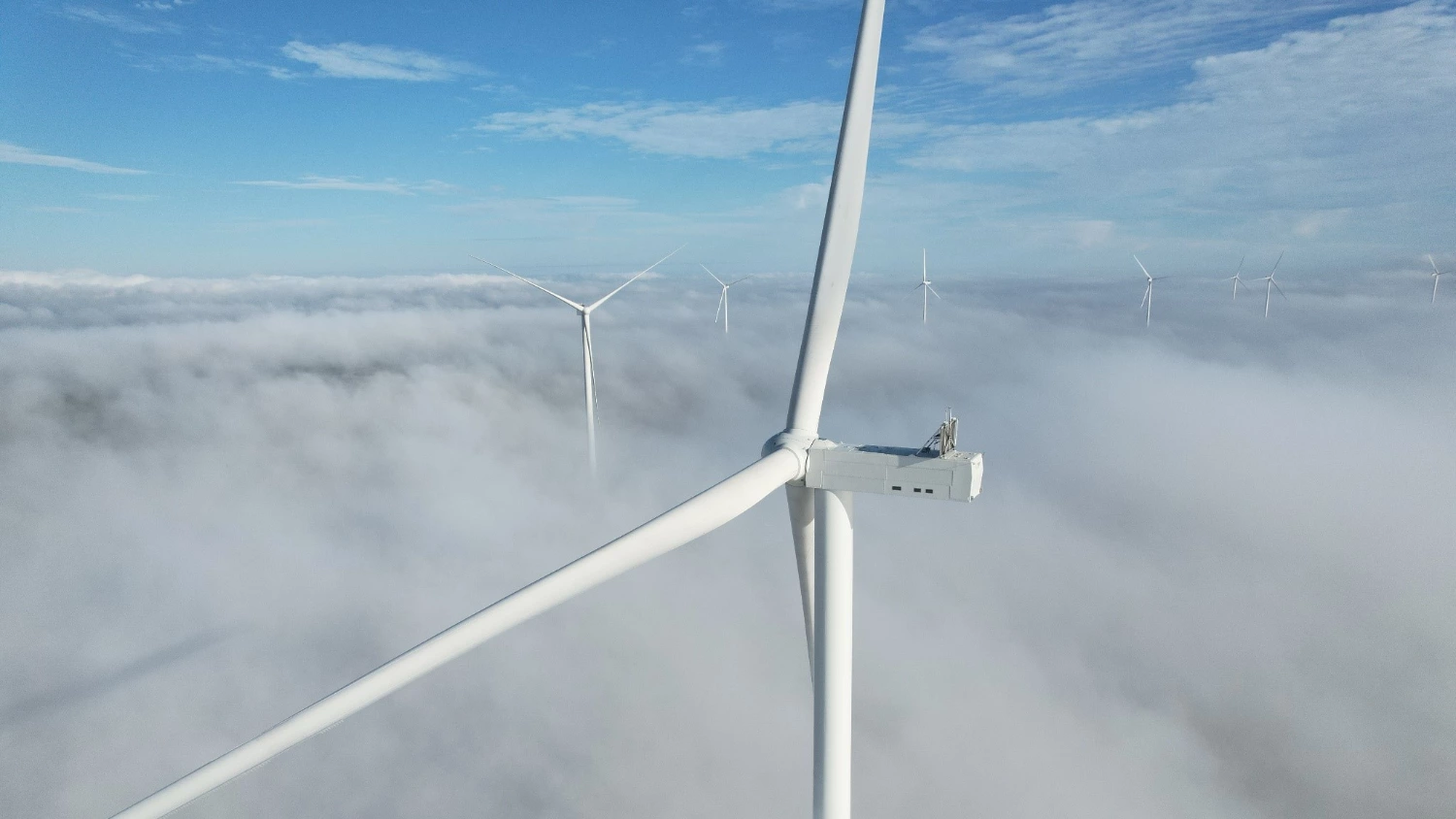
Etem Gestamp, the Sofia-based joint venture between Viohalco Group and Spain's Gestamp Group focused on aluminium extrusion and processing for the automotive industry, and Rezolv Energy, the Actis-backed independent power producer, have signed a 10-year virtual power purchase agreement (VPPA) in Bulgaria. The VPPA will see Etem Gestamp buy electricity from Rezolv Energy's 461MW 'Vifor' wind farm, which is about to come onstream in Buzău County, Romania. It is the first cross-border wind PPA that has been publicly announced in Bulgaria.
The European Bank for Reconstruction and Development (EBRD) officially launched its InvestEU programme in Bulgaria today, marking a major step forward in the country's transition to a green and sustainable economy.
The facility, under construction in central Bulgaria, is being developed by Chint Green Energy, a subsidiary of Chint Group, which also owns the solar panel manufacturer Astronergy.
Bulgaria has taken a major step forward in its renewable energy strategy with the inauguration of a 124 MW / 496.2 MWh battery energy storage system (BESS) in the north-central city of Lovech
EBRD will support Bulgaria's green transition by investing €50 million in the €500 million senior secured bond issuance by the country's Eastern European Electric Company B.V. (EEEC).
PPC Group will strengthen its presence in the Bulgarian energy market with the construction of a new 165 MW photovoltaic plant equipped with a battery storage system.
IFC, a member of the World Bank Group, and the Asian Infrastructure Investment Bank (AIIB) are investing €200 million in senior unsecured bonds to support infrastructure development in Europe.
United Group, a telecommunications and media company based in Southeastern Europe, has made a major investment of €120 million ($124.6 million) to expand its green energy initiatives in Bulgaria.
This initiative aims to enhance accessibility to top-tier logistics infrastructure in both nations while contributing to Europe's transition towards sustainability.
Rezolv Energy has secured a license for its 229 MW St. George solar project to be built at the former Silistra airport in Silistra municipality, northeastern Bulgaria.
Bulgaria aims to be among the 20 countries in the world with a working hydrogen valley, says Minister of Innovation and Growth in Bulgaria, Milena Stoycheva.
12,000 electric cars have been registered in Bulgaria to date, which represents over 50% growth compared to 7,800 registered in 2022, announced Boryana Koleva, chief expert in the "National Transport Policy" Directorate of the Ministry of Transport and Communications.
Bulgaria's western municipality of Kyustendil has said it launched a 5.16 million levs ($2.8 million/€2.6 million) tender for the delivery of electric buses and their charging stations.
Eurohold Bulgaria has commissioned the 123 MW Verila solar park located in Dupnitsa in southwest Bulgaria, according to Enerdata. Eurohold is the group that owns the bankrupt Euroins Romania insurance company. The photovoltaic power plant is currently the largest in Bulgaria.
The World Bank supports Bulgaria's efforts to secure clean energy resources. The bank will provide expert technical opinions based on the best global ideas and practices for managing Bulgaria's geothermal energy resources. The use of geothermal energy will provide new jobs and guarantee a smooth transition to green energy.
The European Bank for Reconstruction and Development is providing €35 million to GreenWay as part of a €113 million financing package to expand electric vehicle charging infrastructure across Central Europe.
The newly published Edition 2 2026 of the PV Module Manufacturer Ranking Report shows the first signs of stabilisation in the solar manufacturing sector's balance sheets after more than a year of steady deterioration. The table tracks the Altman Z-Score, a widely used measure of bankruptcy risk, for 64 publicly listed photovoltaic module manufacturers, and has now been refreshed with first-quarter 2026 data.
The Faculty of Hydrotechnics from the Technical University of Civil Engineering Bucharest and Waldevar Floating PV have signed a strategic partnership to accelerate innovation in renewable energy and prepare the next generation of specialists in floating photovoltaic technologies.
Rezolv Energy has commissioned the St. George solar park in Silistra, Bulgaria, marking the company's first project to become operational. The 225 MW facility reached full operational status in under three years from acquisition of development rights.