EU faces risk of missing EV charging point targets

Green Forum
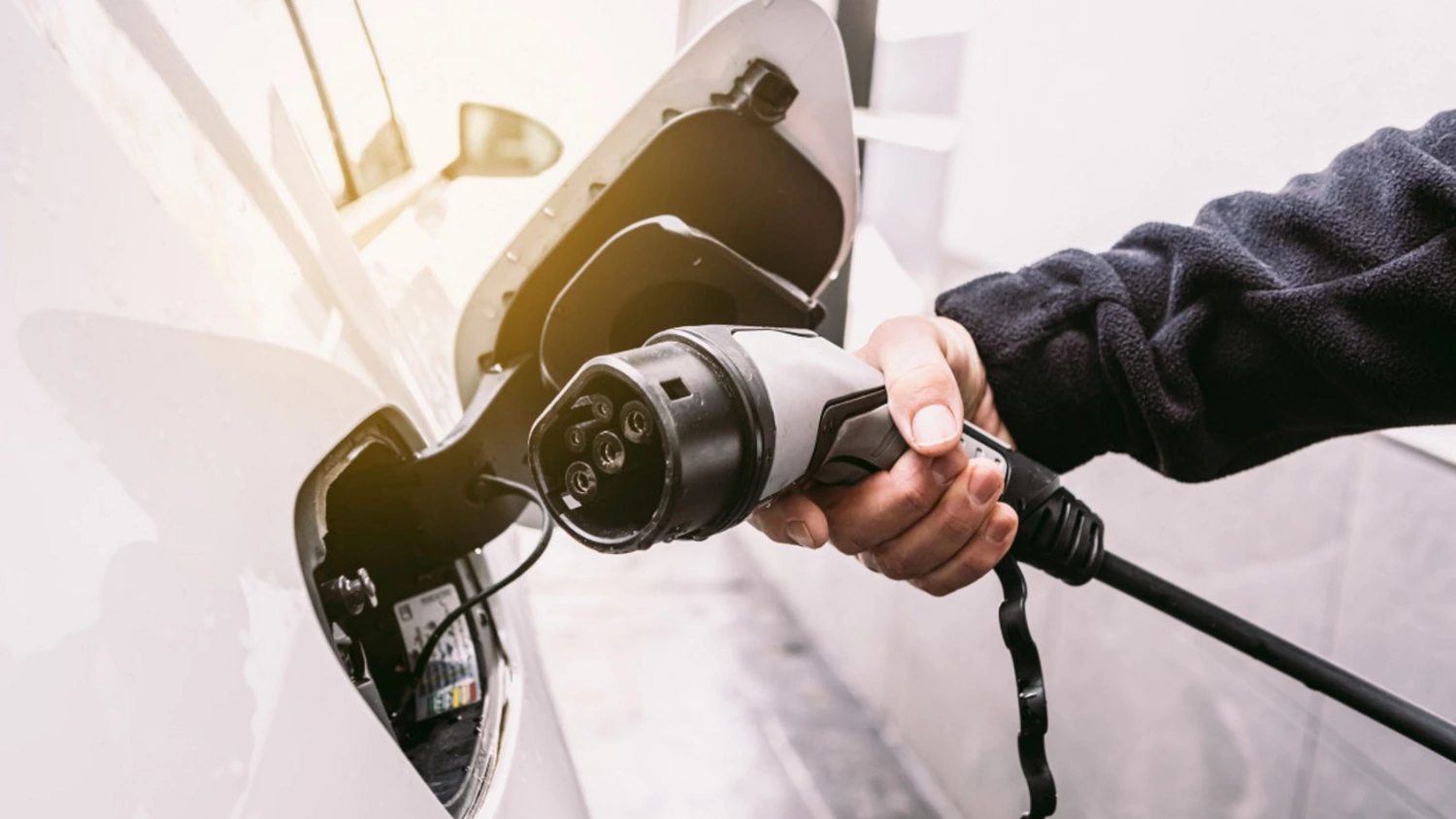
The European Union will require widespread adoption of electric vehicles across its member states to meet ambitious CO2 emission reduction targets. However, a new report by the European Automobile Manufacturers Association (ACEA) indicates a significant shortfall in public charging infrastructure necessary to achieve these goals.

According to the report, there's a notable disparity between the current charging infrastructure and the requirements to fulfill Europe's climate objectives by 2030. Although electric vehicle sales have surged, growing 18-fold between 2017 and 2023, the installation of charging points has lagged, posing a challenge to meeting climate targets.

ACEA Secretary General Sigrid de Vries emphasized the necessity of mass electric vehicle adoption and the importance of widespread public charging infrastructure throughout the EU to accomplish emission reduction goals.

The report reveals that while there are 630,000 charging stations across the European Union, the European Commission advocates for the installation of 3.5 million charging points by 2030. This translates to approximately 410,000 public charging points annually. However, current installation rates fall short, with only 150,000 added last year.

Additionally, ACEA estimates that Europe needs a staggering 8.8 million charging points by 2030 to meet climate objectives. Achieving this target requires the installation of 1.2 million chargers each year, significantly surpassing the current rate.

De Vries stressed the urgent need for accelerated investments in public charging infrastructure to bridge the gap and achieve climate objectives. The European Court of Auditors (ECA) echoed this sentiment, calling for increased charging infrastructure investment across the continent, particularly in countries with fewer charging points.

RECOMMENDED
EU leads the way in green finance
Finance

EU leads the way in green finance

The EU has emerged as a global leader in green finance, having issued over €65 billion in NextGenerationEU (NGEU) Green Bonds since 2020.

EU emissions drop 2.6% in Q2 2024
Environment

EU emissions drop 2.6% in Q2 2024

In the second quarter of 2024, the EU economy greenhouse gas emissions were estimated at 790 million tonnes of CO2-equivalents (CO2-eq).

RECOMMENDED FROM THE HOME PAGE
Energy

Solar module makers show first financial stability in over a year

The newly published Edition 2 2026 of the PV Module Manufacturer Ranking Report shows the first signs of stabilisation in the solar manufacturing sector's balance sheets after more than a year of steady deterioration. The table tracks the Altman Z-Score, a widely used measure of bankruptcy risk, for 64 publicly listed photovoltaic module manufacturers, and has now been refreshed with first-quarter 2026 data.

Energy

Romanian floating solar pioneer partners with university

The Faculty of Hydrotechnics from the Technical University of Civil Engineering Bucharest and Waldevar Floating PV have signed a strategic partnership to accelerate innovation in renewable energy and prepare the next generation of specialists in floating photovoltaic technologies.

Energy

Rezolv Energy launches Bulgaria's St. George solar park

Rezolv Energy has commissioned the St. George solar park in Silistra, Bulgaria, marking the company's first project to become operational. The 225 MW facility reached full operational status in under three years from acquisition of development rights.