30,000 e-car recharging points to be installed by 2026 in Romania

Alina Oprea
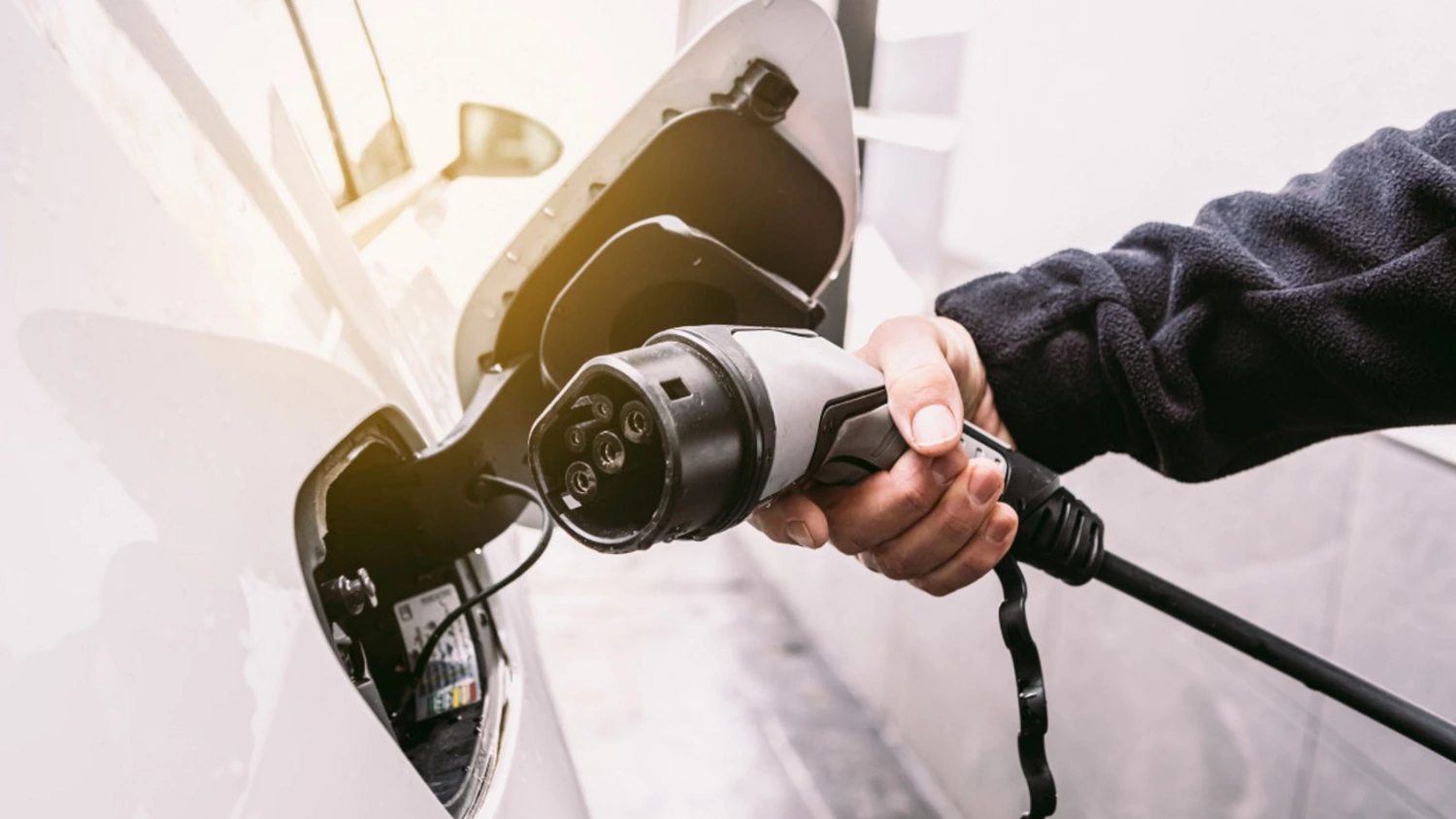
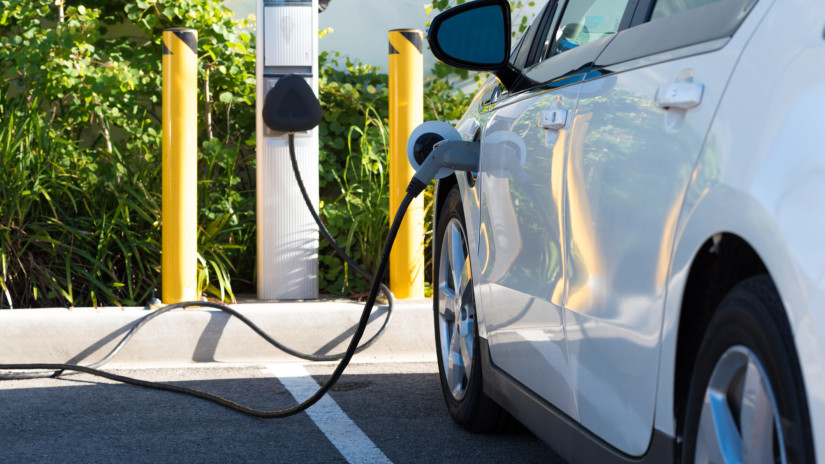
Romania has, through the National Recovery and Resilience Plan (PNRR), projects to develop the national infrastructure of alternative fuels for road vehicles and in particular the installation of at least 30,000 recharging points, until mid-2026. The European Commissioner for Transport, Adina Vălean states that, for example, more than €1.6 billion are reserved for charging station financing projects. Romania has already submitted five projects under the financing line for recharging stations. The contribution of the European Union is €27 million.

"In the National Recovery and Resilience Plan, there are projects to develop the national infrastructure of alternative fuels for road vehicles and in particular the installation of at least 30,000 recharging points, until the middle of 2026. (...) these days are being discussed in the Commission European an act to define the eligibility of alternative fuels considered to be sustainable. I hope that we will have a wider palette of accepted biofuels, so that we can increase the share of them and synthetic fuels, of course, necessary to achieve the targets for reducing carbon emissions. I believe we need to maintain, develop, and develop sustainable liquid alternatives for alternative fuels so that we can benefit from major economies of scale by using existing pipelines and fueling infrastructure so that we can decarbonize existing car fleets faster, reduce costs of the transition", stated Vălean.

At the end of the current European cycle, the European Commission could allocate funds worth €1 billion for Romania's needs and only from the Connecting Europe Facility financial instrument.

"Romania has been performing better lately in terms of investments, thanks to a high-level Commission working group dedicated to our country, which makes me hope that, at the end of this European cycle, we will be able to allocate funds of €1 billion for Romania's needs, only from this financial instrument Connecting Europe Facility. Sure, the National Recovery and Resilience Plan, and the cohesion funds also contribute enough money to complete the major connections in Romania by the end of 2027. We are in an unprecedented situation, in which Romania has approximately €12 billion available for transport. However, European funds are not only dedicated to classic infrastructure. We finance innovative solutions throughout the logistics chain, from recharging stations, intelligent traffic management systems, secure, digitized parking lots for trucks, multimodal cargo or passenger terminals", said Adina Vălean.

RECOMMENDED
RECOMMENDED FROM THE HOME PAGE
Data and energy performance are redefining real estate value
Real estate

Data and energy performance are redefining real estate value

In a video interview recorded at Bratislava Property Forum 2026, Hubert Abt FRICS, CEO of workcloud24, explains why energy performance is emerging as the most important operational metric, how investors are approaching sustainability and what it takes to create real value through data-driven asset management.

Energy

Rezolv Energy launches Bulgaria's St. George solar park

Rezolv Energy has commissioned the St. George solar park in Silistra, Bulgaria, marking the company's first project to become operational. The 225 MW facility reached full operational status in under three years from acquisition of development rights.

Finance

ProCredit Bank Romania launches CO2 calculator for SMEs

ProCredit Bank Romania has launched a CO2 Emissions Calculator to help microenterprises and small and medium-sized enterprises quantify and understand their carbon footprint. This initiative reflects the Procredit Group's commitment to achieve net-zero emissions by 2050, with client engagement at the core of its Climate Action Strategy.

Real estate

Sustainability moves from ambition to action

Conducted in autumn 2025, the RICS Sustainable Real Estate Survey Europe gathered 112 responses from valuers, developers, investors and other professionals across 30 countries. The findings confirm that ESG has moved from a peripheral concern to a core driver of real estate value, risk and decision-making across Europe.