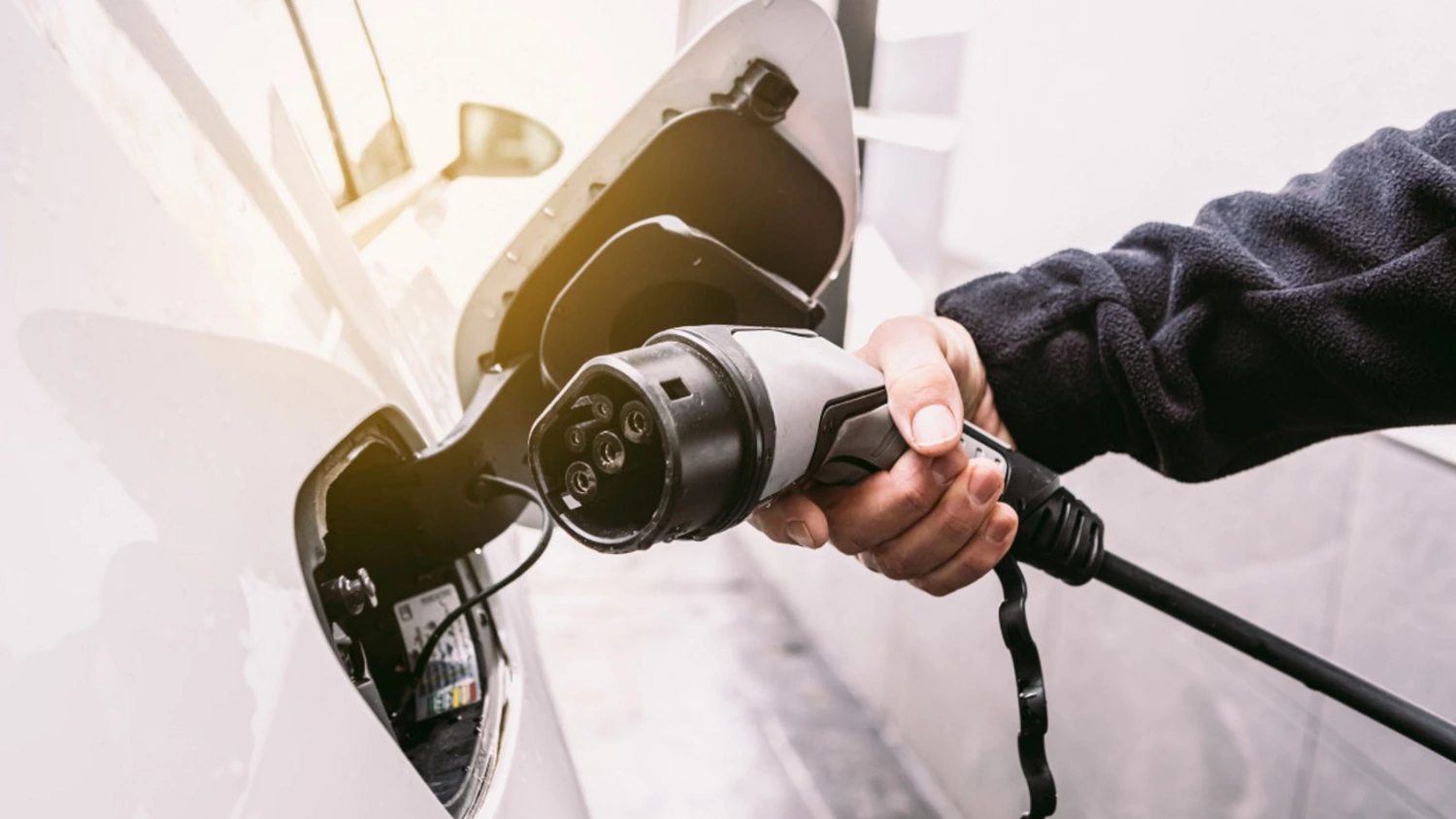
Electric vehicles expected to reach 55% of total global vehicle sales by 2030

Alina Oprea
Electric vehicle (EV) adoption has accelerated faster than predicted. Globally, EV sales doubled in 2021 and jumped 55% in 2022 to account for 13% of all vehicles sold. If this trend is to continue, however, the eMobility ecosystem must collaborate around “Six essentials for mainstream EV adoption”, according to a new study from EY and Eurelectric. Eurelectric is the European federation of producers, distributors, and operators in the energy market and includes more than 3,500 active entities.

The study is informed by Eurelectric and its members and includes insights drawn from industry leaders across the ecosystem, including automotive, utilities, fleet management, city planning, and charging infrastructure.

The study highlights that in 2022, EV sales in China reached 27% of total vehicles sold; in Europe, they made up just over 20%; and in the US, EV sales increased to more than 7% of all vehicles sold. The study underscores the need for a collaborative and coordinated response from eMobility ecosystem players in pursuit of decarbonization goals, with utilities, in particular, playing a pivotal role.

"The Electric Vehicles (EVs) adoption rate in Romania has soared to 9% in 2022, marking a remarkable 72% increase from the previous year. However, this figure still falls short of the global average adoption rate of 13%. The EY/Eurelectric study identifies six essentials that will make or break the future of eMobility. Failure to get this right could result in missed net-zero targets, unresolved air quality issues, wasted investments, and an extended eMobility transition period”, says Mihai Drăghici, Director, of Consulting, EY Romania.

To avoid a modern-day cart-before-horse scenario, the study highlights that collectively, the ecosystem must unite around six essentials across the eMobility value chain: resilient supply chains and vital raw materials; clean and green power production; accessible charging infrastructure; the integration of EVs with smart grid technology; digital platforms and mobile applications to optimize EV charging; and finding and training the next-generation workforce.

As the EV-buying demographic shifts from early adopters to a larger group of consumers with more mainstream values and expectations, accessible charging infrastructure for all is critical. The study calculates that by 2040, the total number of residential, private, and public chargers needed in Europe will top 140 million (88% will be destined for home charging) to service an estimated 239 million EVs. In the US, a total of 91 million chargers (85% for home charging) will be required to serve 152 million vehicles in the same timeframe.

To quickly and equitably roll out charging infrastructure, the study recommends incentivizing, via regulation, installation in the spaces and places where people live and work. Cooperation between network operators and public authorities in preparing for network development, understanding the EV uptake, and assessing infrastructure needs and investments is also key.

Utilities come to the transition with electric-engineering acumen and deep knowledge of load on distribution and transmission lines. The study cites that in the transition to eMobility, they must take on a much more customer-facing and technology-dependent role. To be successful, utilities must engage proactively with city planners and continue building out networks that allow renewables, and other forms of distributed assets, to connect to the grid. Furthermore, they must manage new loads at the point of charging and pursue new technologies that enable the two-way flow of energy across the system.

RECOMMENDED
Eurelectric presents scenarios for Europe to reach net-zero carbon target
Environment

Eurelectric presents scenarios for Europe to reach net-zero carbon target

The Eurelectric Association, which represents the electricity industry at the European level, has published a landmark study highlighting three scenarios for Europe to reach its net zero carbon target. Looking ahead to 2030, 2040, and 2050, the Decarbonisation Speedways study confirms the key role of clean electrification in accelerating Europe's path to climate neutrality and highlights its potential to reduce household energy bills.

Gebrüder Weiss Romania tests electric truck for the first time
Mobility

Gebrüder Weiss Romania tests electric truck for the first time

Gebrüder Weiss Romania, one of the main players in the local transport and logistics solutions market, announced the testing, for the first time locally, of an electric truck. During the testing period, the electric truck traveled about 150 km daily, moving between Brașov and Sfântu Gheorghe Counties.

DSV Road to accelerate Green Transport divisions development
Mobility

DSV Road to accelerate Green Transport division's development

DSV Road, the third largest freight transport company in Romania, has appointed Mihai Teodorescu, the Country's General Manager of Road, as Sustainability Ambassador, aiming at the development of the Green Transport division. By the end of the year, the company estimates a doubling of the demand for green transport solutions in Romania compared to 2022.

RECOMMENDED FROM THE HOME PAGE
Microsoft hits 100% renewable energy target five years early
Energy

Microsoft hits 100% renewable energy target five years early

Microsoft has achieved its goal of matching 100% of its annual global electricity consumption with renewable energy, reaching the milestone five years ahead of its 2025 target. The achievement supports the company's commitment to become carbon negative by 2030.

Real estate

How is EU real estate navigating the CSRD changes? Take our survey

The recent weakening of the CSRD may have some real estate developers cheering the compliance rollbacks, but the consequences could be complicated. A new research survey examines how EU real estate firms are navigating changes to the CSRD, and what that could mean for upcoming SFDR revisions.

Energy

Waldevar Energy builds utility-scale PV parks in Romania

Waldevar Energy has begun construction on two utility-scale photovoltaic parks for Doral Energy in Tudor Vladimirescu (Brăila County) and Ștefan Vodă (Călărași County), Romania. The projects will deliver 14 MWp of installed capacity using around 25,000 photovoltaic panels.

Industry

Lidl Romania exceeds 2030 sustainability targets early

Lidl Romania has published its eighth sustainability report for the 2024 financial year, announcing accelerated progress in reducing environmental impact. The retailer has achieved its international 2030 target for transitioning to natural refrigerants, with these now used in 100% of logistics centres and 81.7% of stores, compared to the original goal of 100% of logistics centres and 40% of stores. The company has also increased its green energy usage to 80% of total consumption.

READ MORE
Green Forum  |  19 February, 2026 at 10:24 AM
Green Forum  |  5 February, 2026 at 11:47 PM