EY advised Alternus Energy Group, a leading international solar PV operator and developer, in selling a portfolio of operational solar PV projects in Poland totaling 89 MW.
An EY survey found that experts are much more likely to take concrete action by stepping up investment in sustainability. Nine out of 10 companies (90%) said they plan to increase their investments in sustainability. The survey also identified a key link between effective board sustainability governance and company business performance.
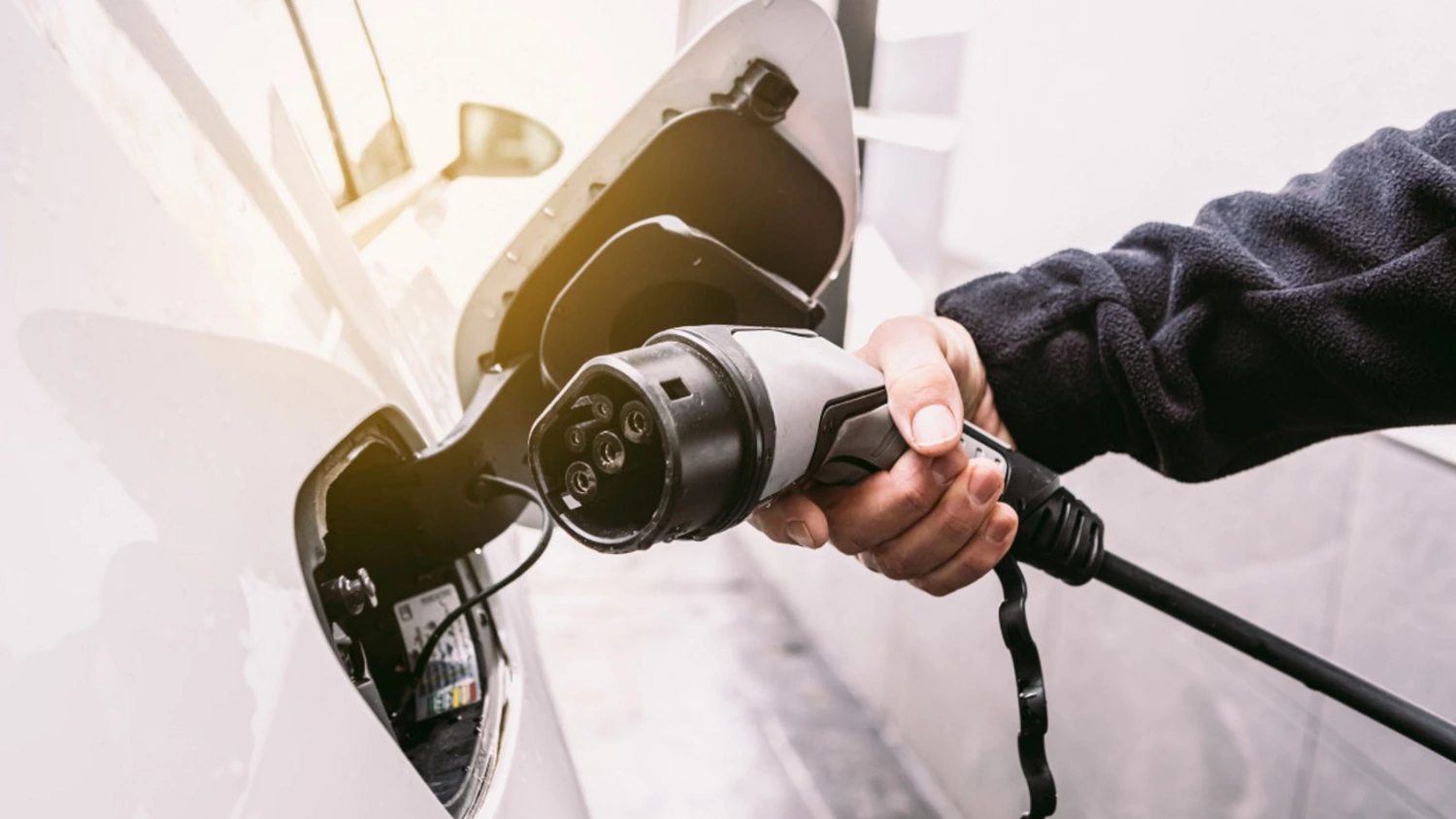
Electric vehicles are expected to reach 55% of total global vehicle sales by 2030, but lack of collaboration could impact adoption and decarbonization goals, according to a study from EY and Eurelectric. The study underscores the need for a collaborative and coordinated response from eMobility ecosystem players in pursuit of decarbonization goals, with utilities, in particular, playing a pivotal role.
A study conducted by EY among 1,325 companies shows that 76% consider ESG to be a main or important investment criterion, and 5G investments are the most likely to involve ESG as a main objective. Responding companies show that emerging technologies offer a wide range of positive contributions to their sustainability efforts, with reducing energy consumption and improving sustainability measurement at the top of the list.
The European Bank for Reconstruction and Development is providing €35 million to GreenWay as part of a €113 million financing package to expand electric vehicle charging infrastructure across Central Europe.
The newly published Edition 2 2026 of the PV Module Manufacturer Ranking Report shows the first signs of stabilisation in the solar manufacturing sector's balance sheets after more than a year of steady deterioration. The table tracks the Altman Z-Score, a widely used measure of bankruptcy risk, for 64 publicly listed photovoltaic module manufacturers, and has now been refreshed with first-quarter 2026 data.
The Faculty of Hydrotechnics from the Technical University of Civil Engineering Bucharest and Waldevar Floating PV have signed a strategic partnership to accelerate innovation in renewable energy and prepare the next generation of specialists in floating photovoltaic technologies.
Rezolv Energy has commissioned the St. George solar park in Silistra, Bulgaria, marking the company's first project to become operational. The 225 MW facility reached full operational status in under three years from acquisition of development rights.