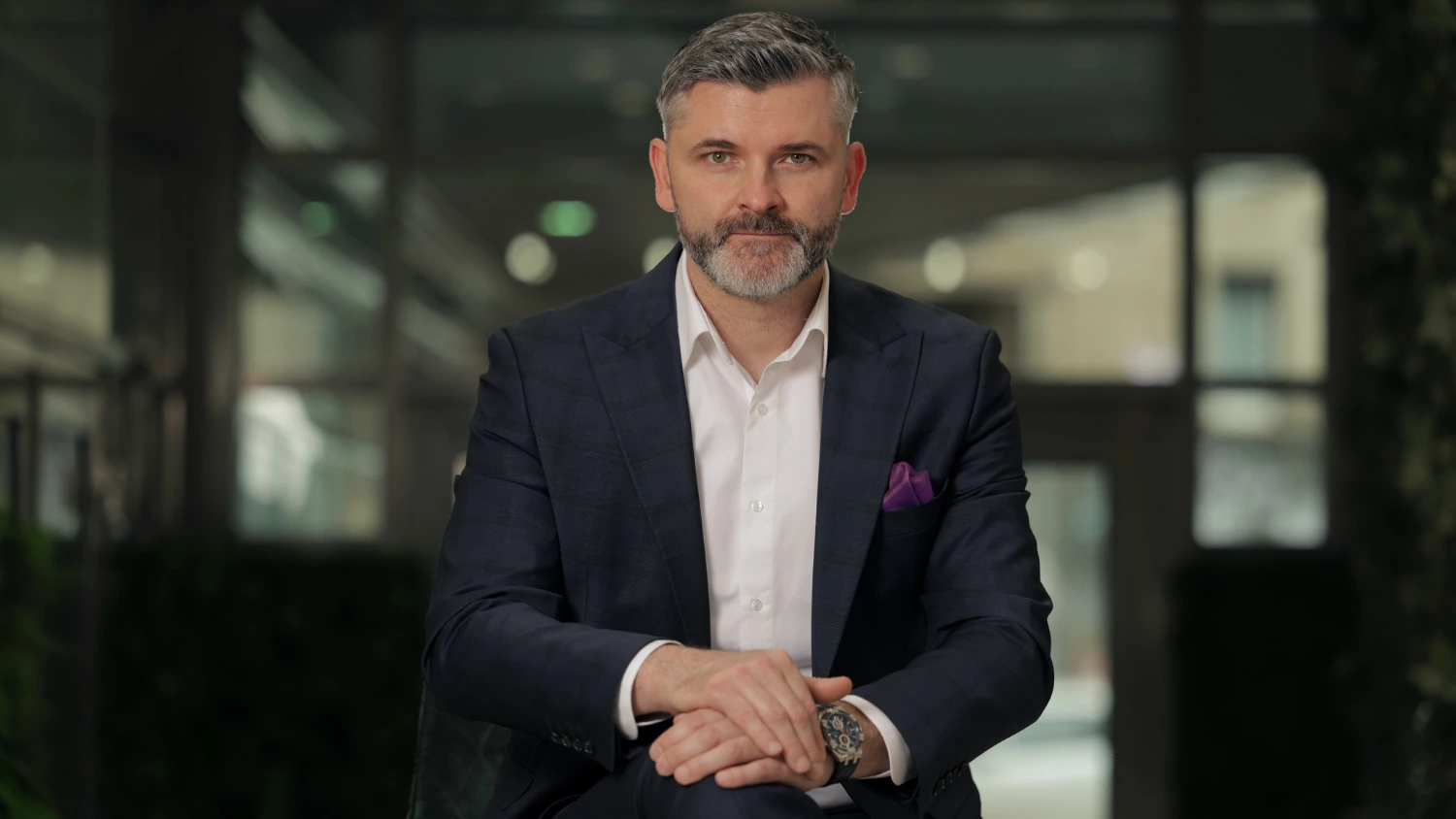
Daniel State, Managing Partner of Rustler Romania, talked to Property Forum about the company's strategic focus on critical infrastructure and high-risk environments. He discussed bridging the gap between data, execution, and business continuity, as well as the growing demand for integrated consultancy. He also emphasized the importance of mindset and the ability to operate under pressure in critical environments.
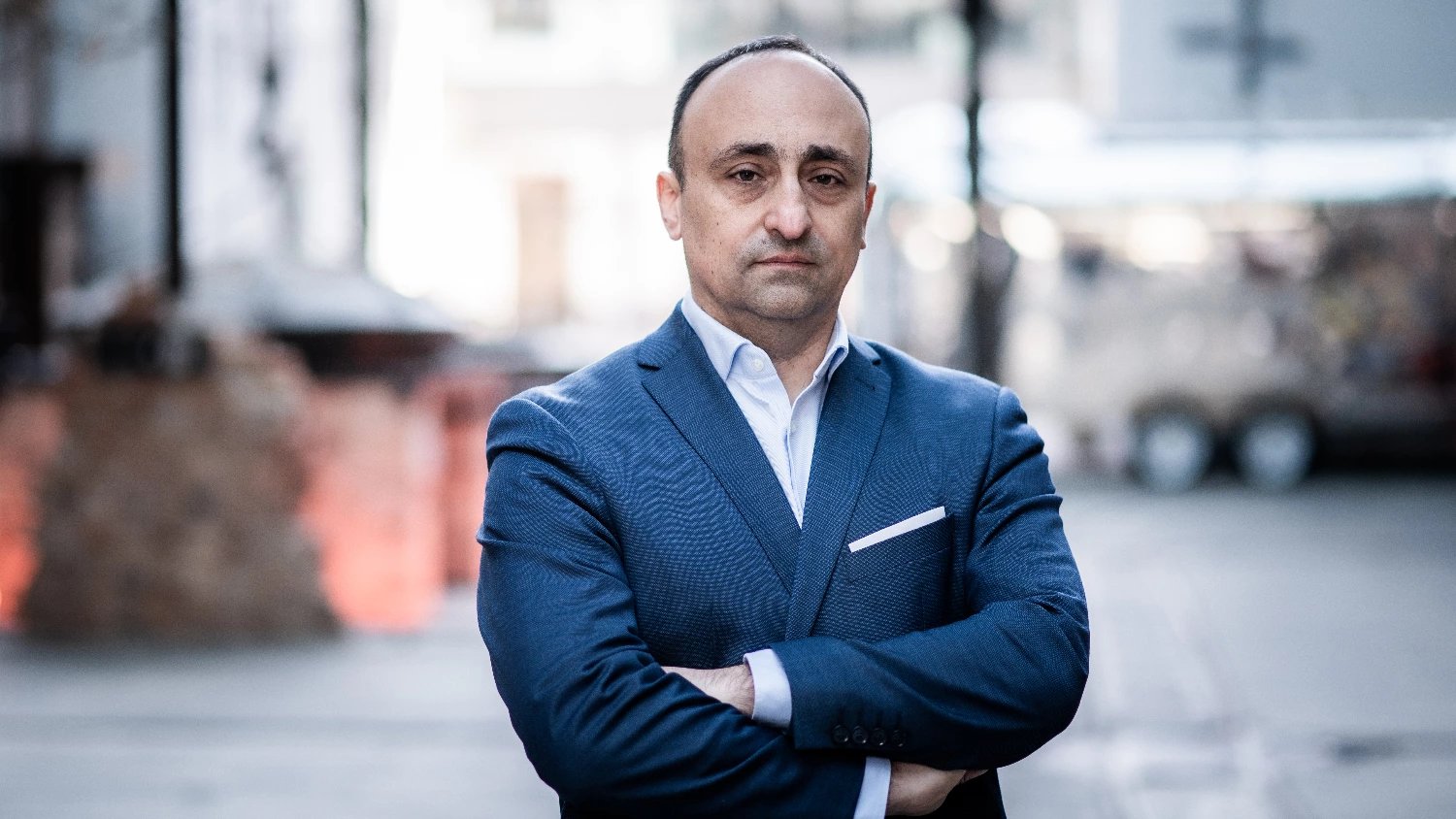
Monia Dobrescu, Head of Real Estate & Construction at Mușat & Asociații, talked to Property Forum regarding the legislative shifts defining the 2026 property landscape. She highlighted the impact of Law No. 207/2025 on transaction security, the evolution of ESG-linked project financing, and the legal hurdles facing expansion into Romania's secondary cities.
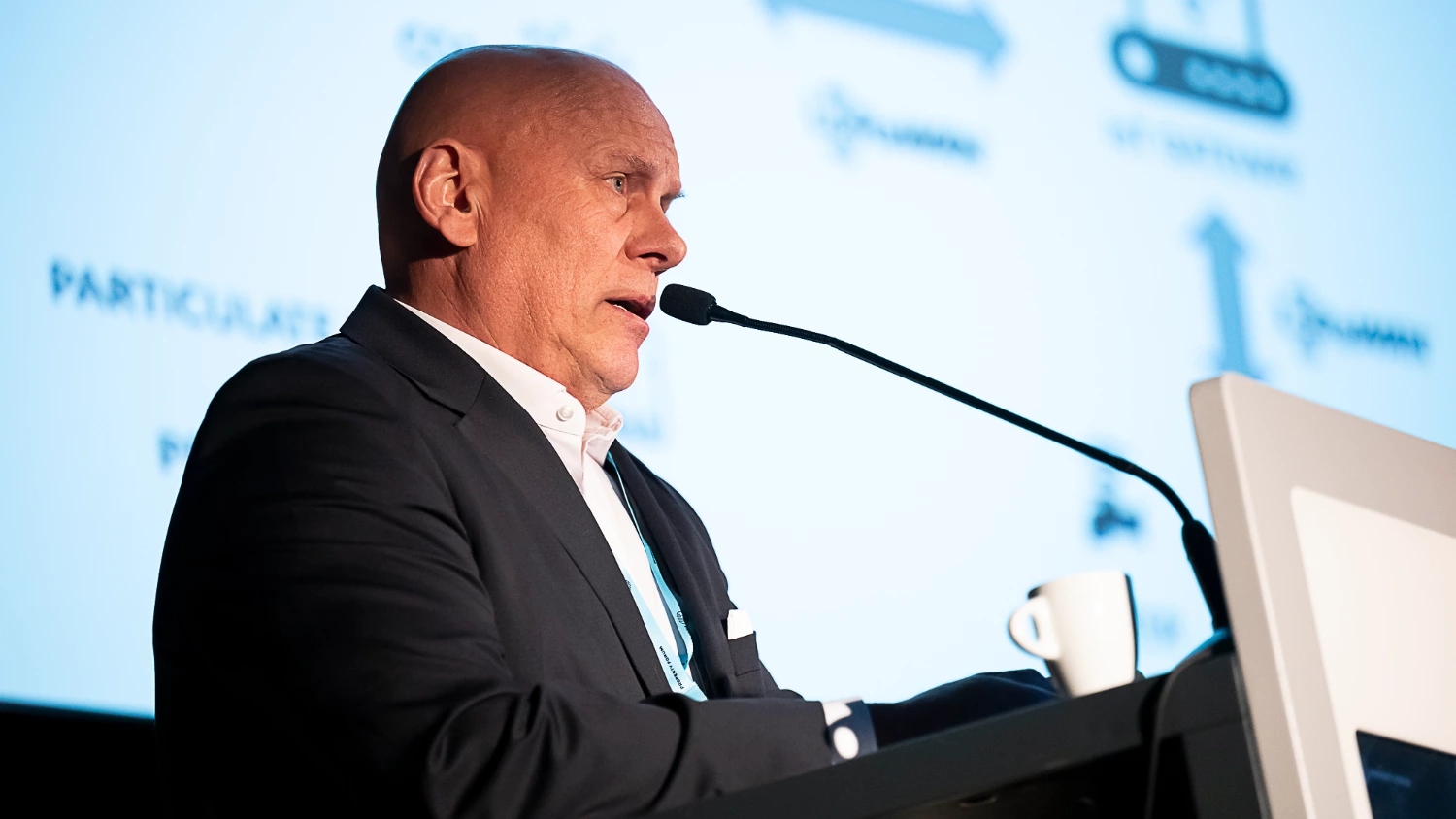
In a video interview recorded at Bratislava Property Forum 2026, Hubert Abt FRICS, CEO of workcloud24, explains why energy performance is emerging as the most important operational metric, how investors are approaching sustainability and what it takes to create real value through data-driven asset management.
As the Polish residential market moves from volatility toward a more balanced phase, developers are recalibrating supply, financing strategies and product positioning. In this interview, Carlos de León, General Manager at Acciona Nieruchomości, explains why 2026 could mark a period of mature stabilisation rather than rapid growth, which segments and locations are set to outperform, and how sustainability, financing discipline and regulatory reform will shape the next phase of residential development in Poland.
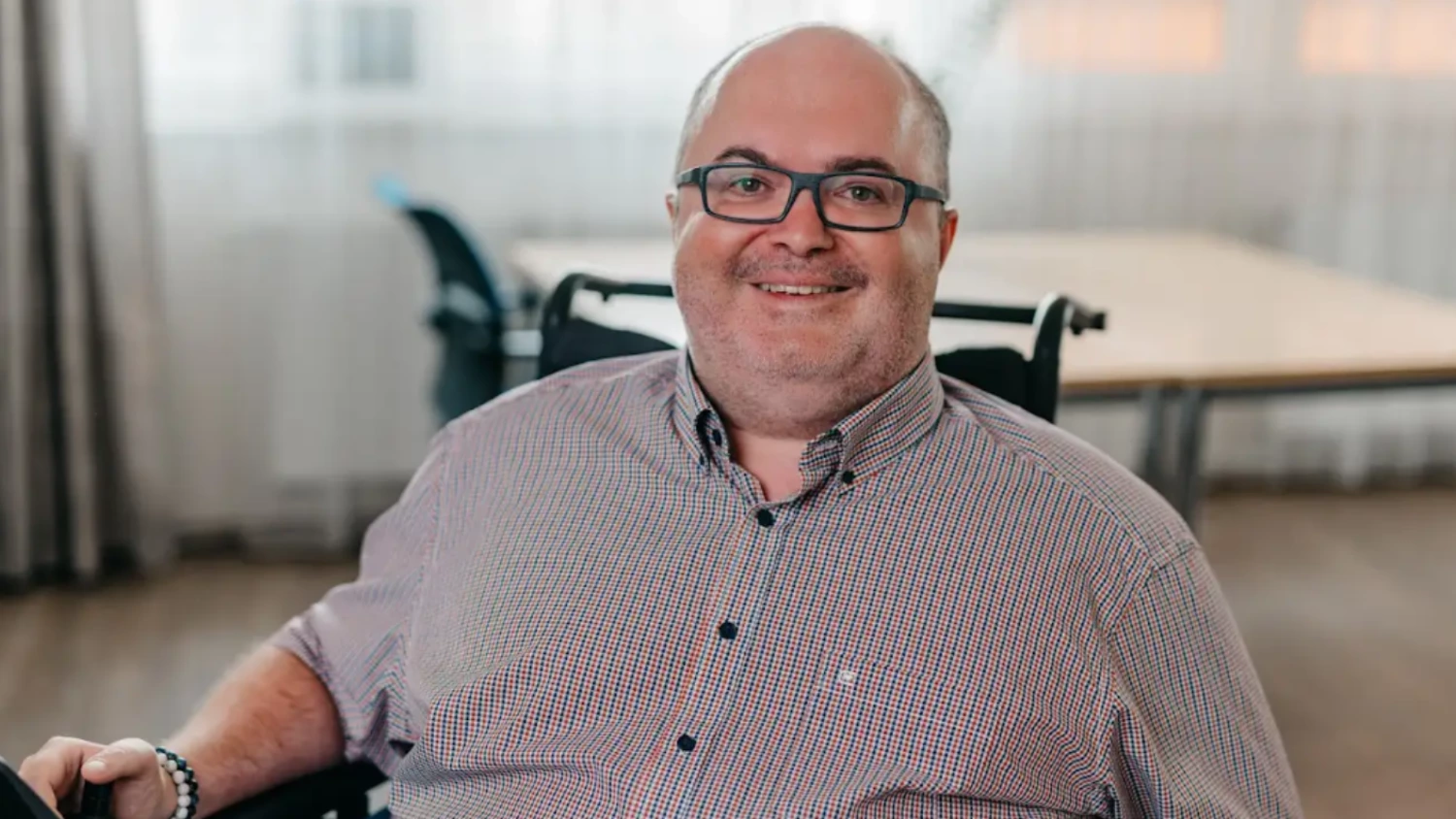
Once seen primarily as a regulatory requirement, accessibility is now increasingly recognised as a driver of value in the real estate market. Balázs Berecz, Founder and CEO of Access4you, who himself has been a wheelchair user since 2005, explains how accessibility is moving beyond compliance to become a competitive advantage, influencing ESG scores, boosting occupancy, and shaping investment decisions.
Bogdan Nicoară, CEO of Bright Spaces, talked to Property Forum about the startup's plan to operate in eight markets by year-end and the diversification of its digitalisation platform for real estate companies. He also mentions some of the main trends shaping the proptech industry.
Romania has significant potential for renewable energy, with regions like Dobrogea attracting investments in wind energy projects due to high-intensity winds.
As the global imperative for sustainable business practices continues to intensify, companies worldwide are facing the challenge of adapting to this evolving landscape.
JTI Romania follows the group's strategy to improve its environmental footprint, says Gilda Lazăr, Director of Corporate Affairs & Communications at JTI Romania, Moldova & Bulgaria.
Diageo has set a complex 10-year ESG action plan called “Society 2030: Spirit of Progress” which outlines its commitments and actions for a more sustainable future, says Gergely Abraham, Corporate Relations Director Eastern Europe at Diageo.
Sustainability in office design should be considered as an integral and systemic approach, rather than a series of isolated actions, says Horatiu Didea, Managing Partner of Workspace Studio.
UPS cares about sustainability and aims to become carbon neutral by 2050 globally, says Daniela Constantinescu, UPS Country Manager for Hungary, Greece, Romania, and Slovenia.
Orange Romania is aligned with Orange Group's goal of achieving net-zero carbon emissions by 2040 and is implementing measures to monitor and optimize energy consumption while simultaneously increasing the use of electricity from renewable sources, says Teodora Toma – CSR Programs Coordinator, Orange Romania. She talked to Green Forum about the ESG objectives of Orange Romania and its commitment to a cleaner environment. She says that operating more sustainably has resulted in a reduction of approximately 4 GWh in the company's energy consumption in 2022. The company has collected approximately 395.000 old phones and many others in its Recycling boxes, a part of which being Refurbished. Orange Romania aims to have up to 20% refurbished phones in its offer by 2025.
Heineken is building on a solid foundation in all the 3 main areas in its sustainability strategy, in every market where it operates, says Ana Crivăț, Director of Corporate Affairs, Heineken Romania. She talked to Green Forum about the company's sustainability goals for 2030 and about Heineken's responsible drinking campaigns.
The total amount of sustainable loans granted by Raiffeisen Bank last year exceeded €500 million and the entire portfolio of green products for corporate customers reached €435 million, says Laura Mihăilă, Director of Marketing, Communication & CX at Raiffeisen Bank Romania. She talked to Green Forum about Raiffeisen Bank Romania's ESG strategy and the measures the bank is implementing to reduce the negative environmental impact.
Lidl Romania proposes to use more and more renewable energy sources, says Maria Mihai, Head of Corporate Communication and CSR. She talked to Green Forum about what ESG means for Lidl Romania, the company's current sustainability targets, and the measures that the company has taken regarding care for the environment, and reduced water and energy consumption.
The future of thermal heating relies on heat pumps and boilers running on hydrogen mixed with gas, says Cătălin Drăguleanu, Senior Director at Ariston Romania. He talked to Green Forum about the consumer expectations in Romania compared to those in other parts of Europe and the priorities of Ariston in terms of sustainability investments.
BRD has strengthened its involvement in financing the transition to sustainability with the total volume of new sustainable financing reaching over RON 1.2 billion (€240 million) in the first half of 2023, says Flavia Popa, Secretary General, BRD Groupe Société Générale. She talked to the Green Forum about the target regarding the reduction of water and energy consumption in the BRD offices and also about the social projects that the bank supports.
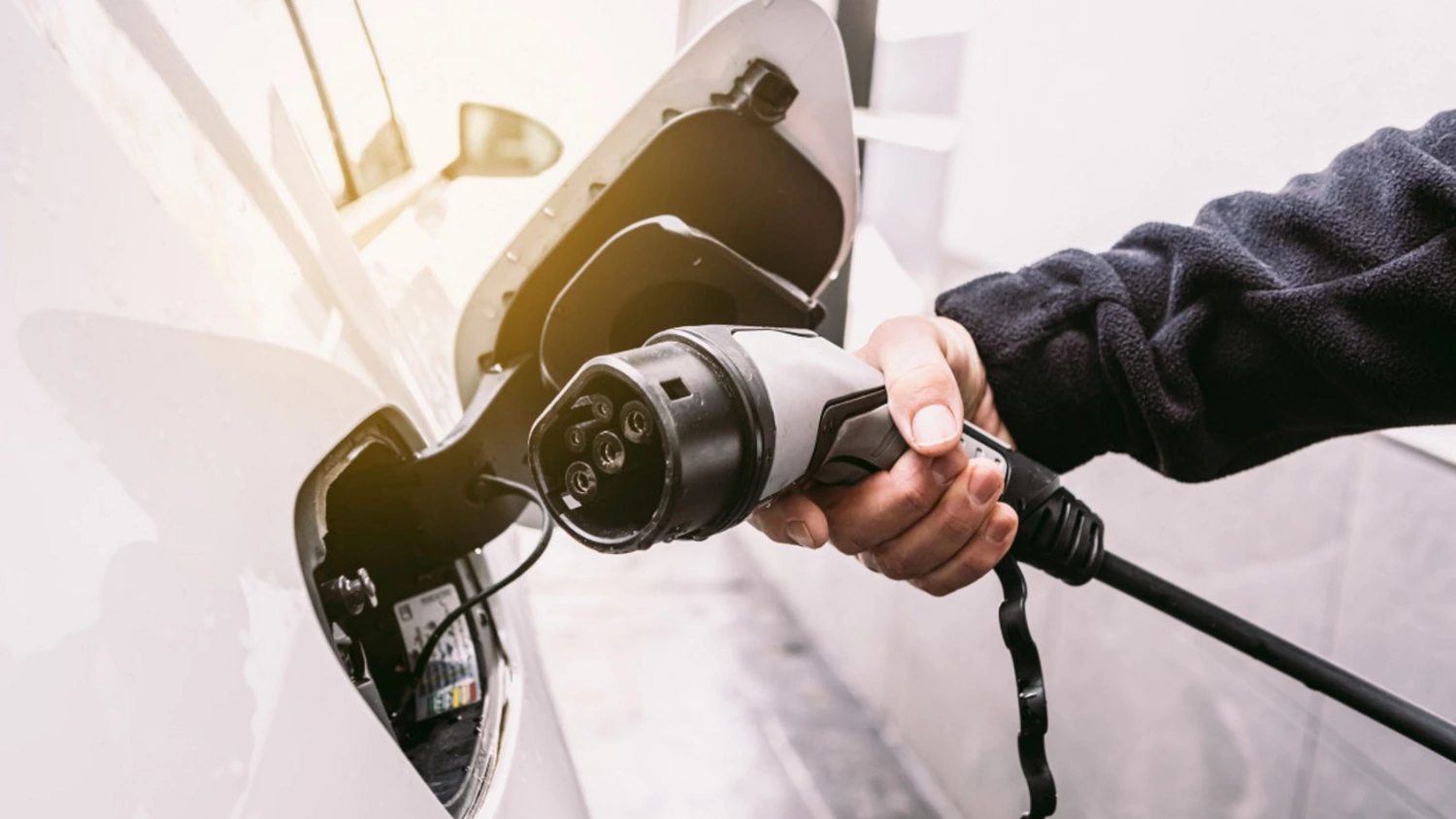
The European Bank for Reconstruction and Development is providing €35 million to GreenWay as part of a €113 million financing package to expand electric vehicle charging infrastructure across Central Europe.
The newly published Edition 2 2026 of the PV Module Manufacturer Ranking Report shows the first signs of stabilisation in the solar manufacturing sector's balance sheets after more than a year of steady deterioration. The table tracks the Altman Z-Score, a widely used measure of bankruptcy risk, for 64 publicly listed photovoltaic module manufacturers, and has now been refreshed with first-quarter 2026 data.
The Faculty of Hydrotechnics from the Technical University of Civil Engineering Bucharest and Waldevar Floating PV have signed a strategic partnership to accelerate innovation in renewable energy and prepare the next generation of specialists in floating photovoltaic technologies.
Rezolv Energy has commissioned the St. George solar park in Silistra, Bulgaria, marking the company's first project to become operational. The 225 MW facility reached full operational status in under three years from acquisition of development rights.