Finance | 13 May, 2025 at 10:00 AM
EBRD lends €50 million to Garanti BBVA for green loans
The European Bank for Reconstruction and Development (EBRD) will lend €50 million to Romanian bank Garanti BBVA to strengthen its funding base.

The European Bank for Reconstruction and Development (EBRD) will lend €50 million to Romanian bank Garanti BBVA to strengthen its funding base.

EBRD will extend a regional loan of up to €120 million to AFI Europe (AFI) to support the company's ongoing development projects in Serbia, Poland, Romania, and Czechia.

EBRD advances the broader use of innovative financial instruments in Romania by signing a synthetic securitisation deal with UniCredit Bank S.A. (UniCredit Bank)

The European Bank for Reconstruction and Development (EBRD) is providing an additional loan of up to €72 million to BIG CEE as part of a €100 million envelope of loans to support its expansion in Serbia and the Western Balkans.

Romania has set ambitious targets to reduce greenhouse gas emissions by 78% by 2030 and achieve climate neutrality by 2050.

The EU has emerged as a global leader in green finance, having issued over €65 billion in NextGenerationEU (NGEU) Green Bonds since 2020.
EBRD will support the development of high-quality, energy-efficient residential housing in Poland through a €100 million loan to the Polish subsidiaries of Vantage Development.

EIB will lend €300 million to the Czech Republic's national railway operator, České dráhy, to buy new train carriages and locomotives as well as upgrade existing ones.

Achieving climate neutrality will unlock significant opportunities for development, economic growth, and technological innovation.
The World Bank Group's Board of Executive Directors has approved a Development Policy Loan (DPL) for Romania, amounting to €599.1 million.
Patria Bank secured a €25 million financing agreement with EIB, one of the world's largest multilateral financing institutions and a major provider of climate finance.
This loan aims to enhance these firms' access to leasing finance and strengthen their resilience.

UniCredit Bank has been declared by the British magazine as the Best Bank in Romania for Companies and ESG.

The European Bank for Reconstruction and Development has priced its largest ever green bond transaction, issuing a €1 billion 7-year benchmark.

For the year 2024, Raiffeisen Bank Romania will continue to finance eligible projects that support the sustainable development of key sectors of the economy,

Raiffeisen Bank Romania publishes its Sustainability Report, presenting information about the company's non-financial performance and its economic, social, and environmental impact.
The project is located in Buzău County and the first phase, which will last until 2025, will see the installation of 30 Vestas wind turbines.
Regarding environmental impact, the funded projects have resulted in annual savings of over 42,000 tons of CO2.
Over 15,000 residences in Romania have been certified as "Green Homes" or have obtained precertification (still in the construction phase) between 2014 and 2024.

The real estate, renewable energy, and transportation sectors are frontrunners for sustainable practices, alongside the public sector which should play an important role.
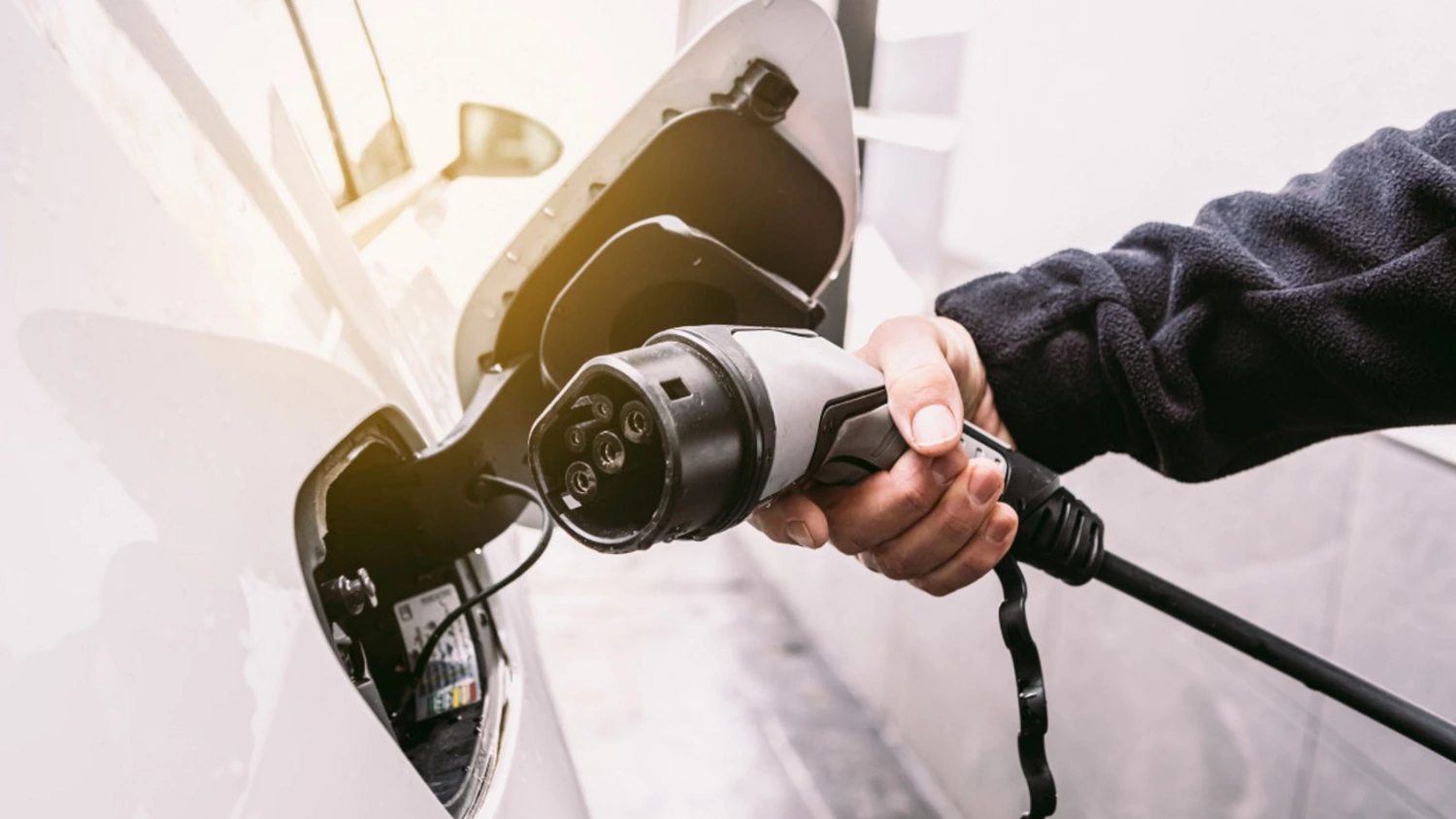
The European Bank for Reconstruction and Development is providing €35 million to GreenWay as part of a €113 million financing package to expand electric vehicle charging infrastructure across Central Europe.
The newly published Edition 2 2026 of the PV Module Manufacturer Ranking Report shows the first signs of stabilisation in the solar manufacturing sector's balance sheets after more than a year of steady deterioration. The table tracks the Altman Z-Score, a widely used measure of bankruptcy risk, for 64 publicly listed photovoltaic module manufacturers, and has now been refreshed with first-quarter 2026 data.
The Faculty of Hydrotechnics from the Technical University of Civil Engineering Bucharest and Waldevar Floating PV have signed a strategic partnership to accelerate innovation in renewable energy and prepare the next generation of specialists in floating photovoltaic technologies.
Join Lisa Chase and Tjidsger Wierda for a workshop on 28 May
Rezolv Energy has commissioned the St. George solar park in Silistra, Bulgaria, marking the company's first project to become operational. The 225 MW facility reached full operational status in under three years from acquisition of development rights.