€159 million to be invested in the development of water and wastewater infrastructure in Iasi. The amount is financed by the EU Cohesion Policy funds within the 2014-2020 programming period. The effort is part of a vaster plan to improve water and wastewater infrastructure across Romania and in Iași County, it is complementary to the project completed in the 2007-2013 program period.
A new study finds an estimated investment gap of €6.7-8.6 billion must be closed to achieve Europe's pledged goal of placing on the EU market each year 10 million tonnes (Mt) of plastic recyclates in final products by 2025. Plastic packaging is the biggest contributor to the plastic waste problem and 25 companies are responsible for half of the world's plastic production.
The Romanian Government approved an agreement for the implementation of the provisions of the Espoo Convention. A joint Commission on environmental impact assessment in a cross-border context will be established, consisting of four members for each party.
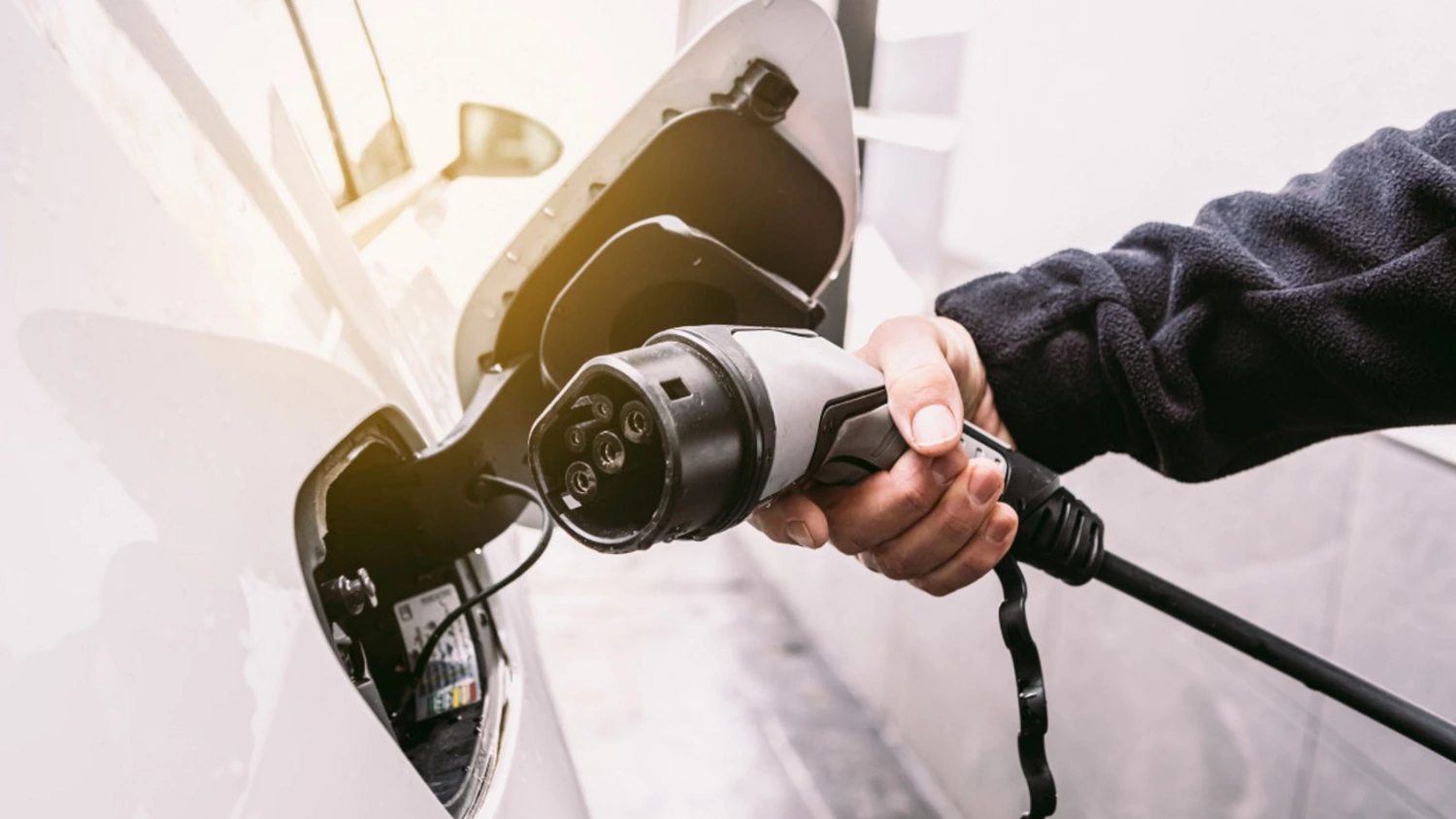
The European Bank for Reconstruction and Development is providing €35 million to GreenWay as part of a €113 million financing package to expand electric vehicle charging infrastructure across Central Europe.
The newly published Edition 2 2026 of the PV Module Manufacturer Ranking Report shows the first signs of stabilisation in the solar manufacturing sector's balance sheets after more than a year of steady deterioration. The table tracks the Altman Z-Score, a widely used measure of bankruptcy risk, for 64 publicly listed photovoltaic module manufacturers, and has now been refreshed with first-quarter 2026 data.
The Faculty of Hydrotechnics from the Technical University of Civil Engineering Bucharest and Waldevar Floating PV have signed a strategic partnership to accelerate innovation in renewable energy and prepare the next generation of specialists in floating photovoltaic technologies.
Rezolv Energy has commissioned the St. George solar park in Silistra, Bulgaria, marking the company's first project to become operational. The 225 MW facility reached full operational status in under three years from acquisition of development rights.