The Annual Water Report, based on over 13.5 billion liters of monitored water usage across 5,370 properties in 36 countries, reveals that 67% of properties experience water leakage yearly. With rising water scarcity, increasing tariffs, aging infrastructure, and stricter regulations, property owners are under growing pressure to better understand their water consumption.
Six sectors were responsible for carbon dioxide emissions resulting from energy consumption, namely agriculture and fisheries, buildings, electricity, industry, and transportation.
Energy Advisor, the first start-up affiliated with the Technical University of Cluj-Napoca, launches Renergia, the first mobile application in Romania that streamlines energy consumption and reduces energy bill costs.
Schneider Electric provides part of the foundational physical infrastructure and software solutions for STACK Infrastructure at their MIL01A facility in Milan, helping the organization to power the path for a more sustainable, digital future in Italy.
Industrial & logistics spaces will play a crucial role in solar energy, as more than half of it will be provided by rooftop solar PV by 2030, according to a study from CBRE.
The Eurelectric Association, which represents the electricity industry at the European level, has published a landmark study highlighting three scenarios for Europe to reach its net zero carbon target. Looking ahead to 2030, 2040, and 2050, the Decarbonisation Speedways study confirms the key role of clean electrification in accelerating Europe's path to climate neutrality and highlights its potential to reduce household energy bills.
An online platform calculates your personal carbon footprint over the course of a year in terms of transport, waste, and energy consumption. The calculator is available on the economiecirculara.eu platform has algorithms that are based on international standards and measurements and measure the carbon footprint within a year.
BASF plans to invest up to €4 billion to achieve its climate protection targets by 2030. The group wants to reduce greenhouse gas emissions from our production sites and our energy purchases by 25% by 2030, compared with the 2018 baseline. BASF set a global target to promote female leadership and aims to increase the proportion of women in leadership positions to 30% by 2030.
Building owners in Romania are much more interested in ESG standards and also have higher expectations when it comes to sustainability than their counterparts in other countries, according to a survey by CBRE.
Companies that engage in sustainable practices record higher financial performance and are 2.4 times more likely to increase their financial return. According to Quartz Matrix, a Romanian technology and services company, the sure steps towards a sustainable company begin with the identification of internal processes that can be automated or made more efficient with the help of technology. Also, modern technologies help companies to cut costs and become more responsible towards the planet.
Changing the heating system and replacing doors and windows can reduce the carbon emissions of a single-family home by more than 80 percent, according to a CO2-Optimist study by the Swiss research institute EMPA for E.ON. It shows that poor insulation and outdated heating systems lead to above-average energy consumption and higher costs.
E.ON Energie Romania and Oncos Transilvania have completed a smart lighting project of over €500,000. The classic lighting system in 45 company halls in Cluj and Sălaj counties was replaced. Energy consumption will be reduced by over 70%, and the carbon footprint will decrease by over 230 tons/year.
A study conducted by EY among 1,325 companies shows that 76% consider ESG to be a main or important investment criterion, and 5G investments are the most likely to involve ESG as a main objective. Responding companies show that emerging technologies offer a wide range of positive contributions to their sustainability efforts, with reducing energy consumption and improving sustainability measurement at the top of the list.
Existing buildings in the European Union should be converted into zero-emission buildings by 2050 and all new buildings should be zero-emission from 2028.
New technical regulations regarding the methodology for calculating the energy performance of buildings will be enforced in Romania starting February. The new rules will help the local construction market will take an important step forward by aligning with European standards and trends in terms of sustainability
The concentration of population in rural areas, lower construction standards and less service-driven economy contribute to the divergence between the CEE region and Western European states when it comes to energy consumption structure, reveals Colliers in its recent report.
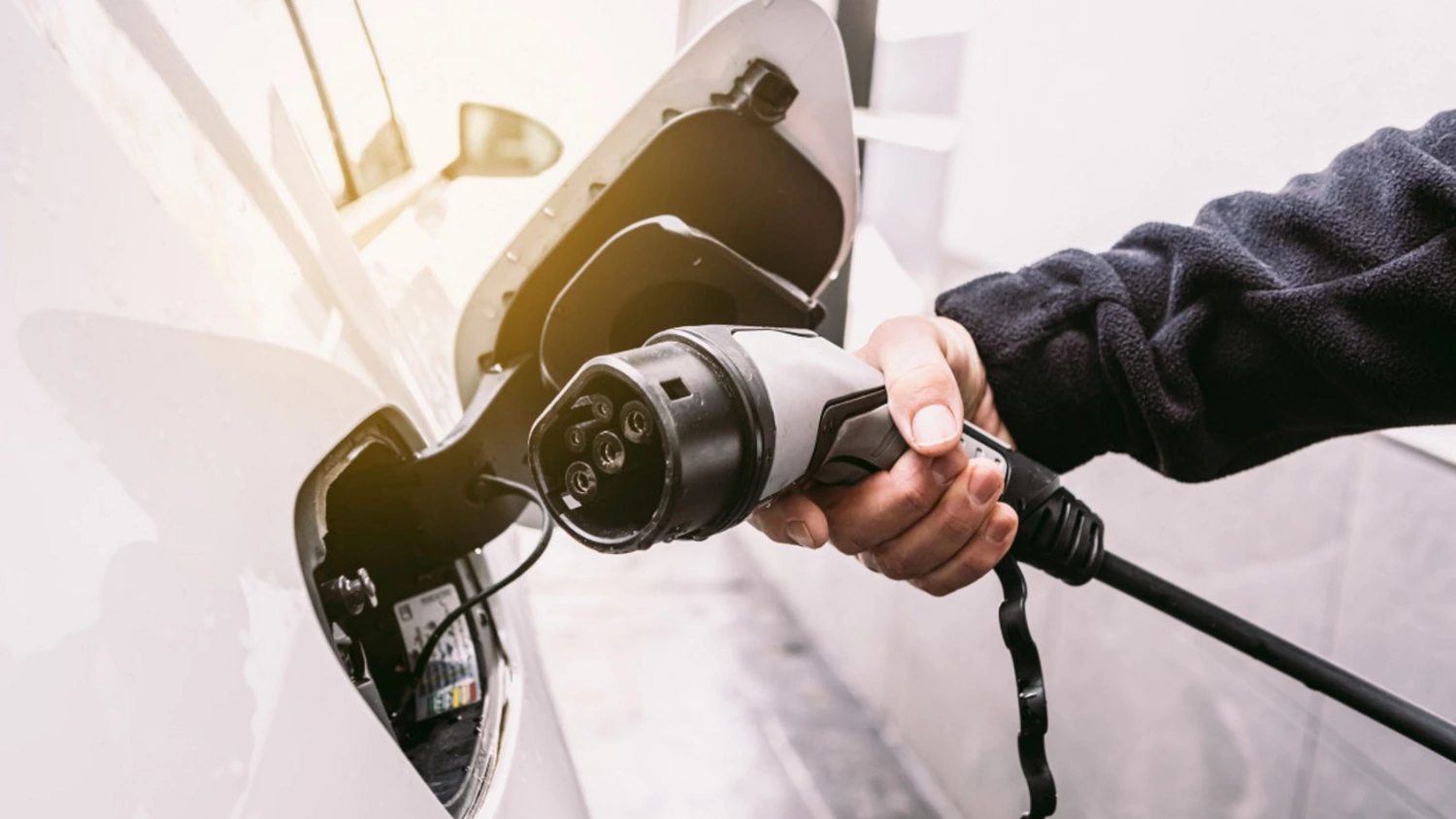
The European Bank for Reconstruction and Development is providing €35 million to GreenWay as part of a €113 million financing package to expand electric vehicle charging infrastructure across Central Europe.
The newly published Edition 2 2026 of the PV Module Manufacturer Ranking Report shows the first signs of stabilisation in the solar manufacturing sector's balance sheets after more than a year of steady deterioration. The table tracks the Altman Z-Score, a widely used measure of bankruptcy risk, for 64 publicly listed photovoltaic module manufacturers, and has now been refreshed with first-quarter 2026 data.
The Faculty of Hydrotechnics from the Technical University of Civil Engineering Bucharest and Waldevar Floating PV have signed a strategic partnership to accelerate innovation in renewable energy and prepare the next generation of specialists in floating photovoltaic technologies.
Rezolv Energy has commissioned the St. George solar park in Silistra, Bulgaria, marking the company's first project to become operational. The 225 MW facility reached full operational status in under three years from acquisition of development rights.