Mobility | 27 February, 2023 at 1:12 PM
Olimpia Parking uses ABB technology for charging electric vehicles
Olimpia Parking is the first parking in Romania that implemented ABB's latest building automation and EV charging technology.

Olimpia Parking is the first parking in Romania that implemented ABB's latest building automation and EV charging technology.

Sales of battery electric vehicles (BEVs) in the key European markets rose by 28% in 2022 from the previous year while global BEV sales grew by 70% year-on-year in 2022. It is estimated that electric vehicles beat internal combustion vehicles in terms of total cost of ownership, even at current electricity prices, according to PwC.

ALD, a subsidiary of Societe Generale, takes a $400 million loan from IFC to expand its fleet of ”green” vehicles with the potential to reduce carbon emissions by up to 22,180 tons per year by 2026 in emerging markets, including in Romania.

The registrations of ecological cars in Romania increased by 61.2% in January, compared to the similar period in 2022. They now have a market share of 22% of the total, according to the Automobile Manufacturers and Importers Association (APIA).

The European Parliament has approved the new CO2 emissions reduction targets for new passenger cars and light commercial vehicles, part of the “Fit for 55” package.

The Boysen Group will invest HUF 60 billion to create 400 new jobs in Nyíregyháza, where the company will produce electric car components for BMW's Debrecen plant.
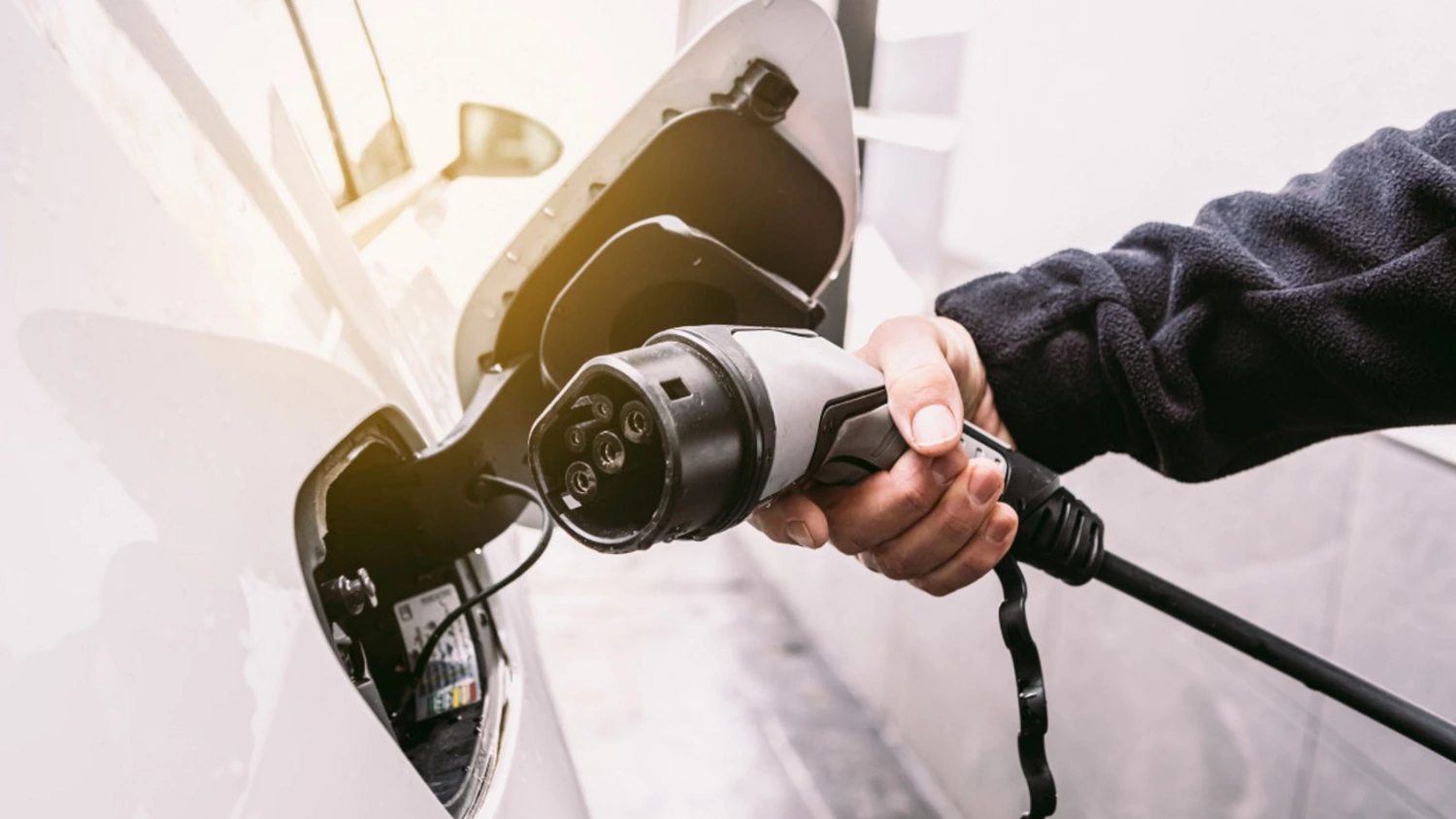
The European Bank for Reconstruction and Development is providing €35 million to GreenWay as part of a €113 million financing package to expand electric vehicle charging infrastructure across Central Europe.
The newly published Edition 2 2026 of the PV Module Manufacturer Ranking Report shows the first signs of stabilisation in the solar manufacturing sector's balance sheets after more than a year of steady deterioration. The table tracks the Altman Z-Score, a widely used measure of bankruptcy risk, for 64 publicly listed photovoltaic module manufacturers, and has now been refreshed with first-quarter 2026 data.
The Faculty of Hydrotechnics from the Technical University of Civil Engineering Bucharest and Waldevar Floating PV have signed a strategic partnership to accelerate innovation in renewable energy and prepare the next generation of specialists in floating photovoltaic technologies.
Join Lisa Chase and Tjidsger Wierda for a workshop on 28 May
Rezolv Energy has commissioned the St. George solar park in Silistra, Bulgaria, marking the company's first project to become operational. The 225 MW facility reached full operational status in under three years from acquisition of development rights.