

With 340 votes in favour, 279 against and 21 abstentions, MEPs endorsed the deal reached with the Council on revised CO2 emission performance standards for new cars and vans in line with the EU's increased climate ambition.
Every two years, starting from the end of 2025, the Commission will publish a report to evaluate the progress towards zero-emission road mobility.
Other key measure foreseen by the regulation is that the Commission will present by 2025 a methodology to assess and report data on CO2 emissions throughout the full life-cycle of cars and vans sold on the EU market, accompanied by legislative proposals where appropriate.
By December 2026, the Commission will monitor the gap between the emission limit values and the real-world fuel and energy consumption data, report on a methodology for adjusting the manufacturers' specific CO2 emissions, and propose appropriate follow-up measures.
Manufacturers responsible for small production volumes in a calendar year (1.000 to 10.000 new cars or 1.000 to 22.000 new vans) may be granted a derogation until the end of 2035 (those registering fewer than 1.000 new vehicles per year continue to be exempt).
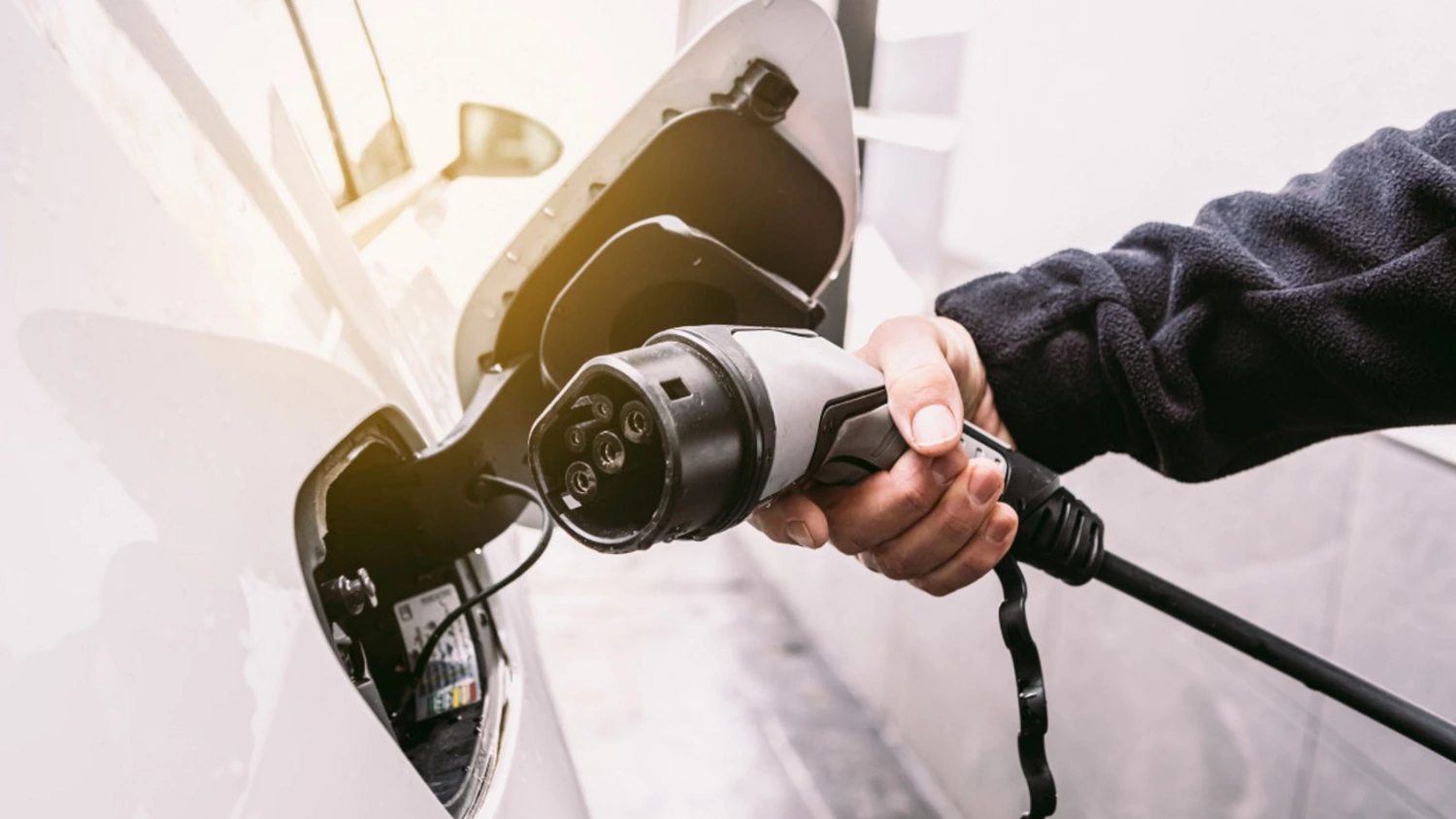
The current zero- and low- emission vehicles (ZLEV) incentive mechanism, which rewards manufacturers that sell more such vehicles (with emissions from zero to 50g CO2/km, such as electric vehicles and well-performing plug-in hybrids) with lower CO2 emission reduction targets, will be adapted to meet expected sales trends. From 2025 to 2029, the ZLEV benchmark is set at 25% for the sales of new cars, and 17% for new vans, and as of 2030 the incentive will be removed.
“This regulation encourages the production of zero- and low-emission vehicles. It contains an ambitious revision of the targets for 2030 and a zero-emission target for 2035, which is crucial to reach climate neutrality by 2050. These targets create clarity for the car industry and stimulate innovation and investments for car manufacturers. Purchasing and driving zero-emission cars will become cheaper for consumers and a second-hand market will emerge more quickly. It makes sustainable driving accessible to everyone”, says rapporteur Jan Huitema (Renew, NL).
Following the final vote in plenary, the text will now have to be formally endorsed by Council, too, before being published in the EU Official Journal shortly after.
On 14 July 2021, as part of the 'Fit for 55' package, the Commission presented a legislative proposal for a revision of the CO2 emission performance standards for new passenger cars and light commercial vehicles.
The proposal aims to contribute to the EU 2030 and 2050 climate objectives, deliver benefits to citizens and stimulate innovation in zero-emission technologies.