
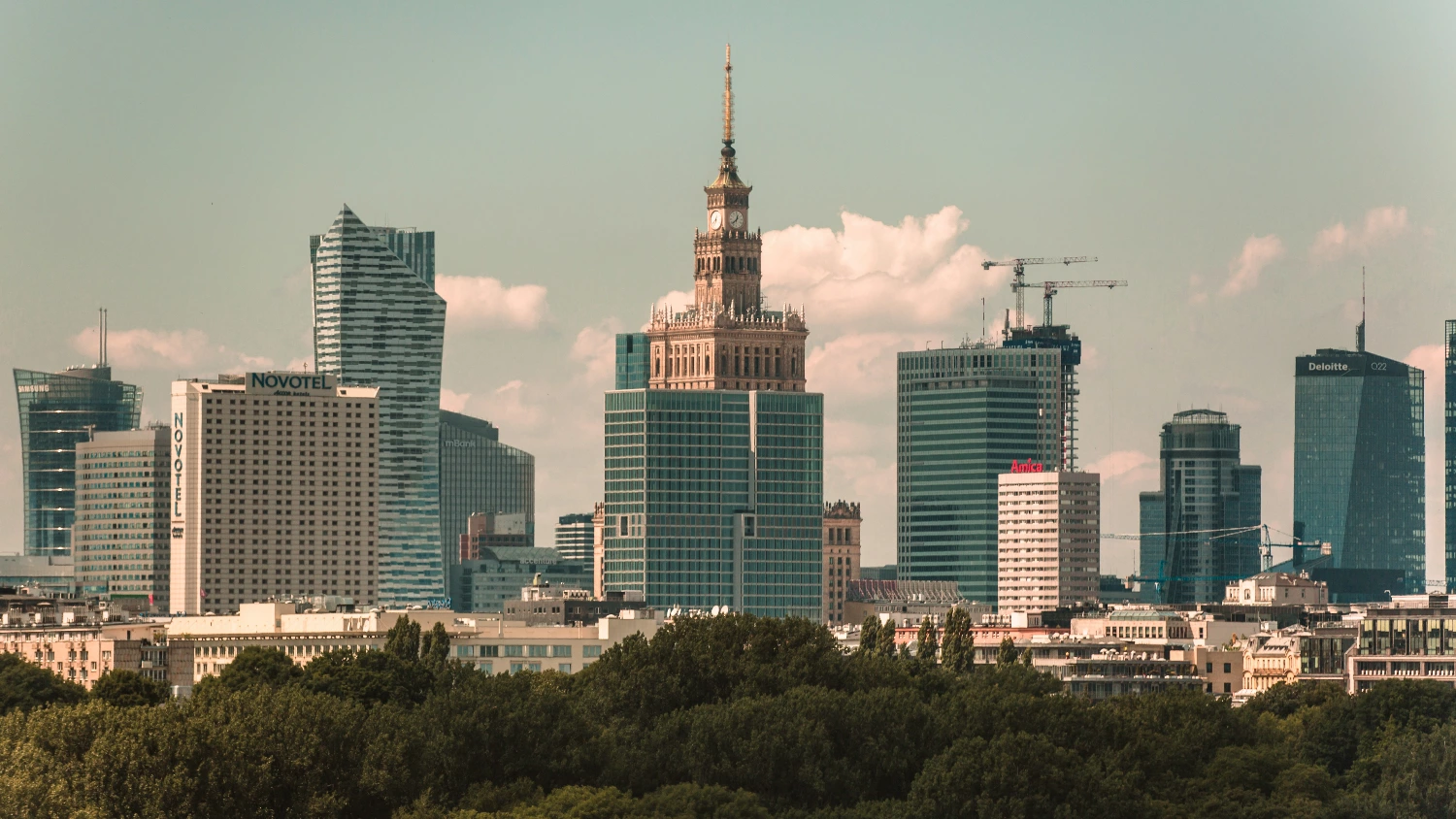
Older buildings usually consume more energy in operation than new construction. That is not only a cost issue. It also affects how an asset performs against market standards like BREEAM, EU Taxonomy, and CRREM, as well as regulations such as the Energy Performance of Buildings Directive and the rules for Building Automation and Control Systems (BACS). Many owners assume the only way to close the gap is a major refurbishment. Better insulation and new equipment certainly help, but they are expensive and disruptive. Investments in deep fabric and equipment upgrades can reach one to five percent of the asset value.
The European Union has reached a provisional agreement to reduce the scope and stringency of two major ESG regulatory frameworks: Corporate Sustainability Reporting Directive (CSRD) and Corporate Sustainability Due Diligence Directive (CSDDD).
Waldevar Energy has begun construction on two utility-scale photovoltaic parks for Doral Energy in Tudor Vladimirescu (Brăila County) and Ștefan Vodă (Călărași County), Romania. The projects will deliver 14 MWp of installed capacity using around 25,000 photovoltaic panels.
Lidl Romania has published its eighth sustainability report for the 2024 financial year, announcing accelerated progress in reducing environmental impact. The retailer has achieved its international 2030 target for transitioning to natural refrigerants, with these now used in 100% of logistics centres and 81.7% of stores, compared to the original goal of 100% of logistics centres and 40% of stores. The company has also increased its green energy usage to 80% of total consumption.
Global law firm Dentons has advised OX2 on acquiring three wind power projects totaling 235 MW in Romania from Future Power. The projects, located in Vaslui and Vrancea counties, are expected to be commissioned between 2028 and 2030, subject to permitting.
Romania is emerging as a key destination for Turkish renewable energy investments, attracting growing interest from industrial and financial groups. Real grid connection opportunities for projects, infrastructure modernisation potential, and investment framework stability make Romania strategic for Turkish capital as Europe accelerates its transition to sustainable sources and energy independence.