The Romanian Government approved an agreement for the implementation of the provisions of the Espoo Convention. A joint Commission on environmental impact assessment in a cross-border context will be established, consisting of four members for each party.
Braşov City Hall has blocked the activity of the Stejeris lime factory, which was operating in a residential area of the municipality because there are numerous petitions regarding the pollution in the area. This is the third company forced to relocate its activity, following the actions of the City Hall.
The European Parliament has approved including REPowerEU measures in national plans to be more independent from Russian fossil fuels, speed up the green transition and tackle energy poverty.
The European Parliament has approved the new CO2 emissions reduction targets for new passenger cars and light commercial vehicles, part of the “Fit for 55” package.
Existing buildings in the European Union should be converted into zero-emission buildings by 2050 and all new buildings should be zero-emission from 2028.
The World Green Building Council (WorldGBC), the coalition representing over 5,000 organizations from across the building value chain, has asked Members of the European Parliament (MEPs) to back amendments to the Energy Performance of Building Directive.
According to the latest Hungarian Official Gazette, the government will adopt the "Hungary's Green Public Procurement Strategy 2022-2027" and set a series of tasks for Ministers in different areas.
According to the International Energy Agency (IEA), even though the share of renewables in the energy mix is increasing across the European Union, pollution has increased: more and more member states are counting firewood as a green solution, while carbon emissions are still rising. Hungary is one of the biggest statistical tricksters.
The EU Corporate Sustainability Reporting Directive (CSRD), approved on 28 November, at the EU level, marks the biggest transformation in corporate reporting in the last almost 20 years.
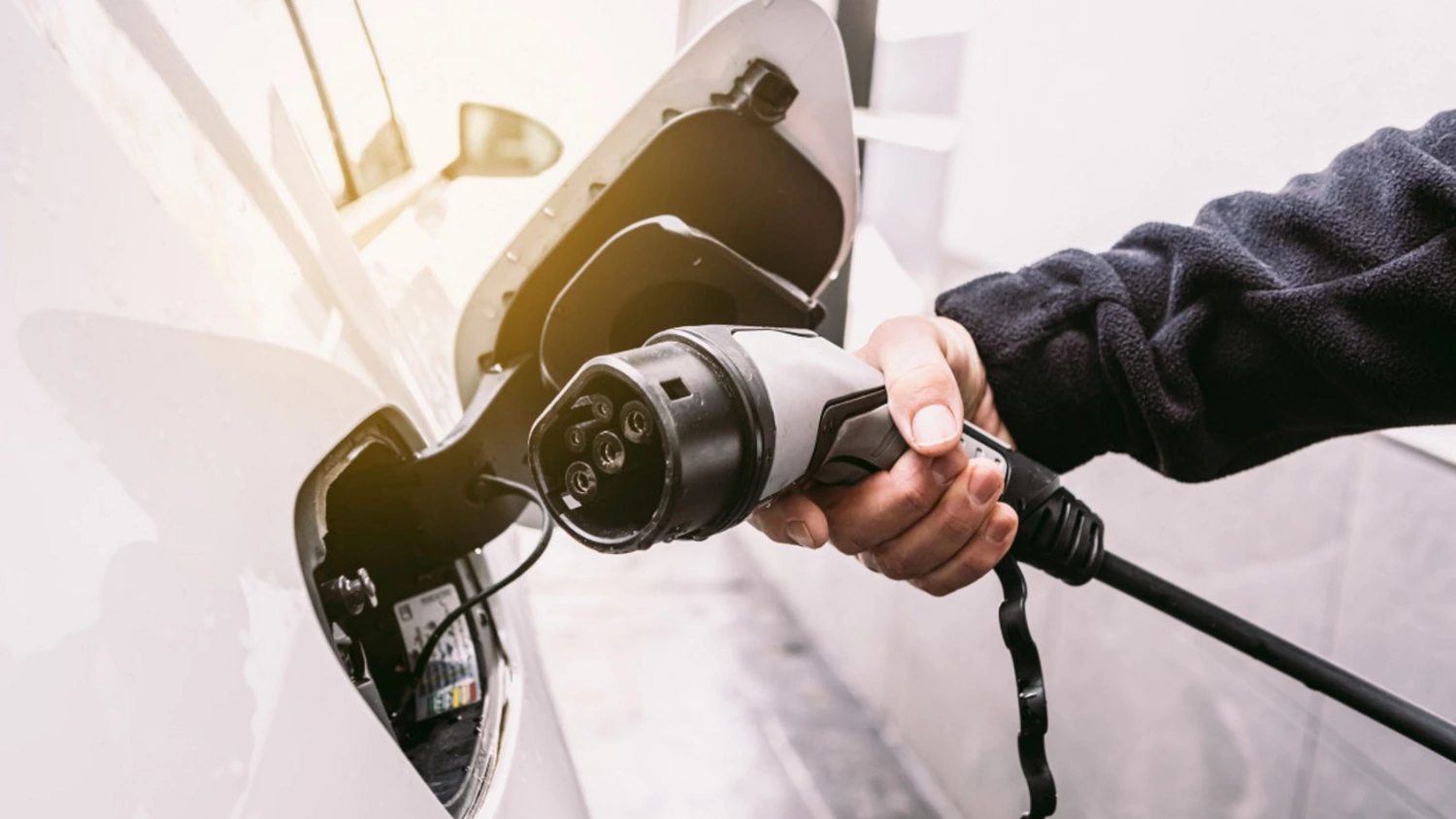
The European Bank for Reconstruction and Development is providing €35 million to GreenWay as part of a €113 million financing package to expand electric vehicle charging infrastructure across Central Europe.
The newly published Edition 2 2026 of the PV Module Manufacturer Ranking Report shows the first signs of stabilisation in the solar manufacturing sector's balance sheets after more than a year of steady deterioration. The table tracks the Altman Z-Score, a widely used measure of bankruptcy risk, for 64 publicly listed photovoltaic module manufacturers, and has now been refreshed with first-quarter 2026 data.
The Faculty of Hydrotechnics from the Technical University of Civil Engineering Bucharest and Waldevar Floating PV have signed a strategic partnership to accelerate innovation in renewable energy and prepare the next generation of specialists in floating photovoltaic technologies.
Rezolv Energy has commissioned the St. George solar park in Silistra, Bulgaria, marking the company's first project to become operational. The 225 MW facility reached full operational status in under three years from acquisition of development rights.