
EU approves new deep reforms of the carbon market

Alina Oprea
The EU's 27 member countries gave final approval to a sweeping reform of the bloc's carbon market to accelerate the reduction in greenhouse gases, including a new carbon border tax on imports. The world's first major carbon trading system has since 2005 forced power plants and factories to buy permits when they emit CO2 and has cut emissions from those sectors by 43%. The sign-off, in a Luxembourg meeting of EU agriculture ministers, endorses a European Parliament vote last week on various legislative texts in the reform, which will come into force once published.

The EU's existing emissions trading scheme will now be broadened to include sea and air transport.

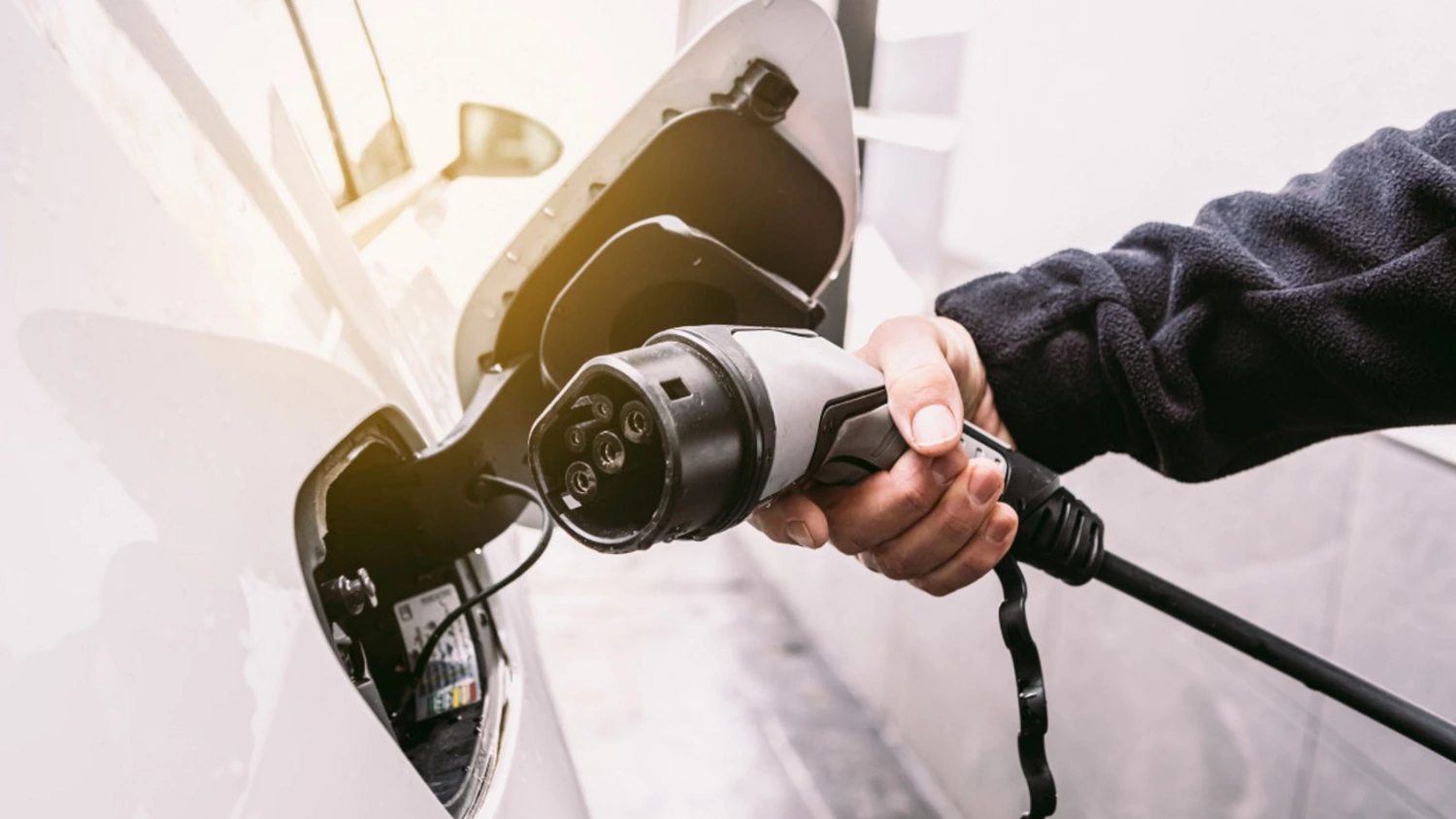
Carbon emissions from individuals' vehicles and homes will also be counted, though at a capped level until 2030.

And a special €88 billion social climate fund will be created in 2026 to compensate for the cost of Europe's green shift.

Legislators approved a deal agreed last year by negotiators from EU countries and Parliament, to reform the carbon market to cut emissions by 62% from 2005 levels by 2030, which is designed to deliver the EU's emissions-cutting targets.

After nearly two years of EU negotiations, the member states' approval means the policy will now pass into law. The EU Parliament approved the deal last week.

Of the 27 EU countries, 24 voted for the reform. Poland and Hungary opposed it, while Belgium and Bulgaria abstained.

Poland, which has previously called for the carbon market to be suspended or its price capped to ease the burden on industry, said EU climate policies set unrealistic goals.

The incoming legislation supports the EU goal of cutting 55% of greenhouse gas emissions in the bloc by 2030, compared to the levels recorded in 1990.

The reform is set to hike the cost of polluting for sectors including cement manufacturing, aviation, and shipping, while also raising billions of euros through CO2 permit sales, for national governments to invest in green measures.

Heavy industries will lose the free CO2 permits they currently receive by 2034, while airlines will lose theirs from 2026, exposing them to higher CO2 costs. Emissions from ships will be added to the scheme in 2024.

One measure that will be seen by companies importing into the EU will be a carbon tax on imports, phased in from 2026 and levied to ensure EU industries are not undercut by firms not facing the same added costs.

It will initially cover the most polluting sectors – producers of steel, aluminum, cement, fertilizer, and electricity – and could be expanded in the future to organic chemicals and polymers.


RECOMMENDED
LOreal invests in biotechnology company
Industry

L'Oreal invests in biotechnology company

L'Oreal invests in a biotechnology company to develop plant-based ingredients on a large scale. The investment will contribute to the creation of new sustainable ingredients derived from living organisms. L'Oréal will replace traditional ingredients with organic alternatives, such as those obtained from sugars of vegetable origin.

RECOMMENDED FROM THE HOME PAGE
Sustainability moves from ambition to action
Real estate

Sustainability moves from ambition to action

Conducted in autumn 2025, the RICS Sustainable Real Estate Survey Europe gathered 112 responses from valuers, developers, investors and other professionals across 30 countries. The findings confirm that ESG has moved from a peripheral concern to a core driver of real estate value, risk and decision-making across Europe.

Finance

ProCredit Bank Romania launches CO2 calculator for SMEs

ProCredit Bank Romania has launched a CO2 Emissions Calculator to help microenterprises and small and medium-sized enterprises quantify and understand their carbon footprint. This initiative reflects the Procredit Group's commitment to achieve net-zero emissions by 2050, with client engagement at the core of its Climate Action Strategy.

Energy

DSV boosts energy self-sufficiency with solar power

DSV – Global Transport and Logistics, the world's largest logistics operator, has launched a solar installation at its warehouse in Łozienica, Poland, in partnership with commercial real estate investor Accolade. The installation will meet the energy needs of Poland's first multi-client warehouse equipped with an AutoStore system.

Energy

Etem Gestamp signs cross-border wind power deal with Rezolv

Etem Gestamp, the Sofia-based joint venture between Viohalco Group and Spain's Gestamp Group focused on aluminium extrusion and processing for the automotive industry, and Rezolv Energy, the Actis-backed independent power producer, have signed a 10-year virtual power purchase agreement (VPPA) in Bulgaria. The VPPA will see Etem Gestamp buy electricity from Rezolv Energy's 461MW 'Vifor' wind farm, which is about to come onstream in Buzău County, Romania. It is the first cross-border wind PPA that has been publicly announced in Bulgaria.

READ MORE
Green Forum  |  24 April, 2026 at 11:04 AM
Green Forum  |  14 April, 2026 at 8:46 AM