Business
Auchan Romania commits to 46% emission cut by 2030
Auchan Romania has a long-term ambition to reduce direct emissions by 46% by 2030 and to use only renewable energy by the same year.

Auchan Romania has a long-term ambition to reduce direct emissions by 46% by 2030 and to use only renewable energy by the same year.

Nestlé Romania is aligning and adapting global initiatives at the local level, actively contributing to the achievement of the company's ambitious objectives.

The energy transition is a central priority for ENGIE, both worldwide and in Romania.

Romania is increasingly positioning itself as a promising destination for green investments, with several sectors showing strong potential.

Romania has set ambitious targets to reduce greenhouse gas emissions by 78% by 2030 and achieve climate neutrality by 2050.

A significant portion of EU grants is allocated to support sustainable initiatives, further driving the rise in these types of loans.

In Romania, L'Oréal encourages people to choose larger sizes and refills while helping them understand how and where to recycle our packaging.

BAT aims to achieve a 50% reduction in our Scope 1, 2 & 3 emissions by 2030 and to be Net Zero across their value chain by 2050.

Restart Energy's long-term goals center around driving significant growth in renewable energy production while embedding sustainability into every facet of our operations.

Liberty Steel is working hard to improve their renewable energy sources, with the first 50MW of our proposed 250MW on-site solar farm programme already in development.

For the rest of this year, Rezolv Energy will focus on the four projects in our current portfolio.

Romania is a key market for the Coca-Cola System and for our sustainability agenda, not only because it's the right thing to do for the environment.

OMV Petrom is implementing measures to reduce its GHG emissions footprint by transitioning from non-renewable energy sources to renewable energy sources.

For the year 2024, Raiffeisen Bank Romania will continue to finance eligible projects that support the sustainable development of key sectors of the economy,

Kaufland Romania will focus on expanding the range of sustainable products, collecting and packaging recycling, reducing food waste, and strengthening internal and external communication on sustainability.

Romanian brewing companies have invested in advanced wastewater treatment plants to treat and reuse water and reduce the pollution load on local water bodies.

Urgency is one of the biggest challenges in implementing sustainability strategies.

The future of ESG (Environmental, Social, and Governance) in Romania appears promising.

The company is working to advance its sustainability commitments in the four focus areas of sustainable innovation, climate, biodiversity, and inclusion, diversity and equity.

For the green transformation of the Romanian economy, it is of critical importance to have a true alignment of the private and public sectors.
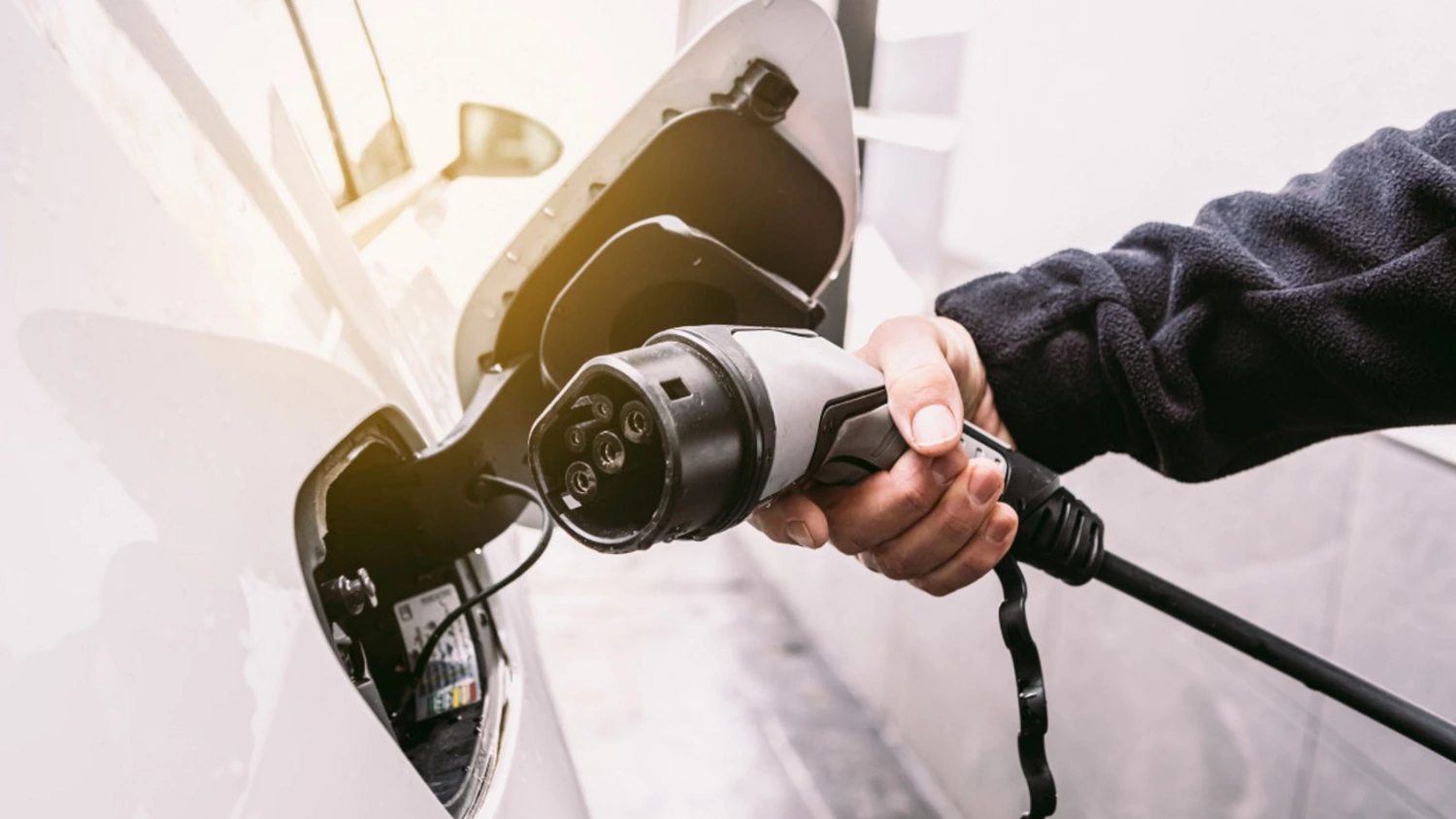
The European Bank for Reconstruction and Development is providing €35 million to GreenWay as part of a €113 million financing package to expand electric vehicle charging infrastructure across Central Europe.
The newly published Edition 2 2026 of the PV Module Manufacturer Ranking Report shows the first signs of stabilisation in the solar manufacturing sector's balance sheets after more than a year of steady deterioration. The table tracks the Altman Z-Score, a widely used measure of bankruptcy risk, for 64 publicly listed photovoltaic module manufacturers, and has now been refreshed with first-quarter 2026 data.
The Faculty of Hydrotechnics from the Technical University of Civil Engineering Bucharest and Waldevar Floating PV have signed a strategic partnership to accelerate innovation in renewable energy and prepare the next generation of specialists in floating photovoltaic technologies.
Join Lisa Chase and Tjidsger Wierda for a workshop on 28 May
Rezolv Energy has commissioned the St. George solar park in Silistra, Bulgaria, marking the company's first project to become operational. The 225 MW facility reached full operational status in under three years from acquisition of development rights.