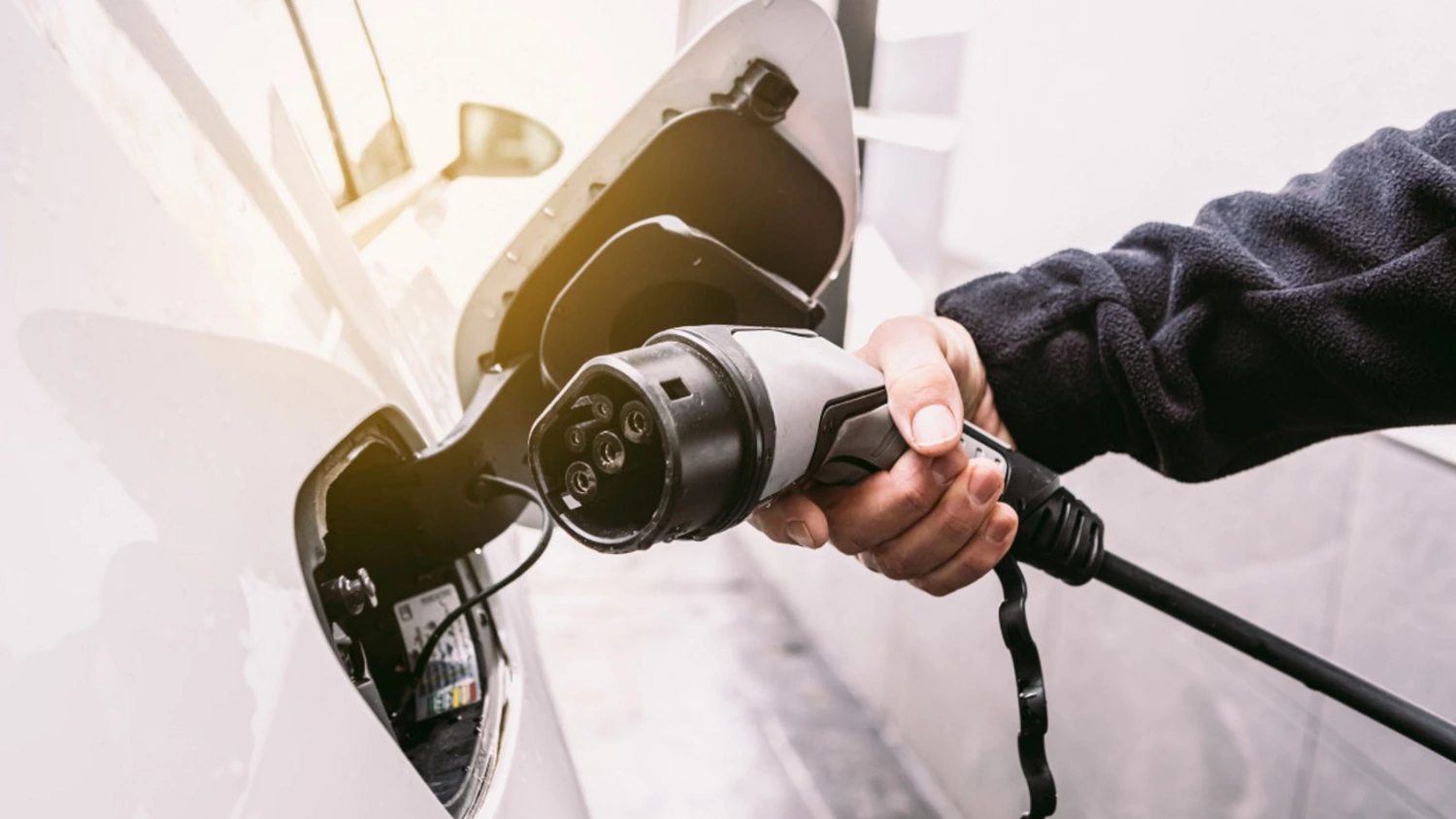


The chargers will be installed inside the airport fence, and will be available for use by partner companies operating at the airport, in addition to vehicles belonging to the airport operator's fleet.
At the end of 2021, the Hungarian government included the airport operator on the list of projects to be implemented from the European Network Financial Instrument, to significantly improve the electric charging infrastructure, with a total budget of 1.3 billion HUF (nearly 3.2 million EUR) to install new e-charging points for ground service equipment, airport service vehicles and the vehicles of airport partners.
The development, which will be implemented in three phases by 31 August 2025, will involve the installation of 102 new e-charging points at the airport, half of which will be financed by Budapest Airport from its own budget and half from EU funds. The EU support contributes to the construction of the 83 charging stations with nearly HUF 650 million (nearly EUR 1.6 mn), which accounts for the 50% of the budget. The other 50% will be financed by Budapest Airport from own sources.
The infrastructure constructed as part of the project will support several points in the aircraft handling process: catering vehicles, water trucks and lavatory service vehicles, baggage dollies and other air cargo vehicles, ramp passenger buses, passenger boarding stairs and tow vehicles.
A total of 134 ground handling vehicles and 24 fleet and management vehicles have been replaced recently, from conventional to electric or hybrid models, saving 412,000 litres of fuel and 1,080 tonne of carbon dioxide emission per year.
Budapest Airport has installed 66 electric vehicle charging points so far, 35 of which are located on the airside and 31 on the landside of the airport. Budapest Airport has assisted in the installation of a further 35 electric charging points at the airport for its partners involved in ground passenger transportation.
Főtaxi, Budapest Airport's contracted taxi partner, also prioritizes the promotion of e-mobility, and has already replaced 30% of its fleet with electric or hybrid vehicles. There are already six ultra-fast electric charging points in the airport buffer car park of Főtaxi, which is expected to increase by 26 charging points by the end of 2025.
In January 2022, Budapest Airport reported that it had further reduced its direct carbon dioxide emissions, to half the level of ten years earlier, while emissions per passenger were only one third of 2011 levels.
Főtaxi, Budapest Airport's contracted taxi partner, also prioritizes the promotion of e-mobility, and has already replaced 30% of its fleet with electric or hybrid vehicles. There are already six ultra-fast electric charging points in the airport buffer car park of Főtaxi, which is expected to increase by 26 charging points by the end of 2025.
In January 2022, Budapest Airport reported that it had further reduced its direct carbon dioxide emissions, to half the level of ten years earlier, while emissions per passenger were only one third of 2011 levels.
The most effective way for Budapest Airport to reduce the environmental impact of the airport is to work with its airport partners, which is why it launched the Greenairport program in 2015. The aim of the more than 40 partners involved in the initiative is for the airport and the organizations operating there to work together and help each other reduce their own carbon footprint and the overall environmental impact of their operations. The program has led to continuous improvements in energy efficiency, the switch to electric vehicles and equipment, increased waste recycling rates, responsible water consumption, the potential for green energy use and a growing number of joint digitalization projects.
In 2021, Budapest Airport set the primary goal of achieving net zero emissions 15 years earlier than previously committed, by 2035 at the latest, along its so-called zero carbon roadmap. The development of e-mobility at the airport is one of the ways in which this will be achieved.