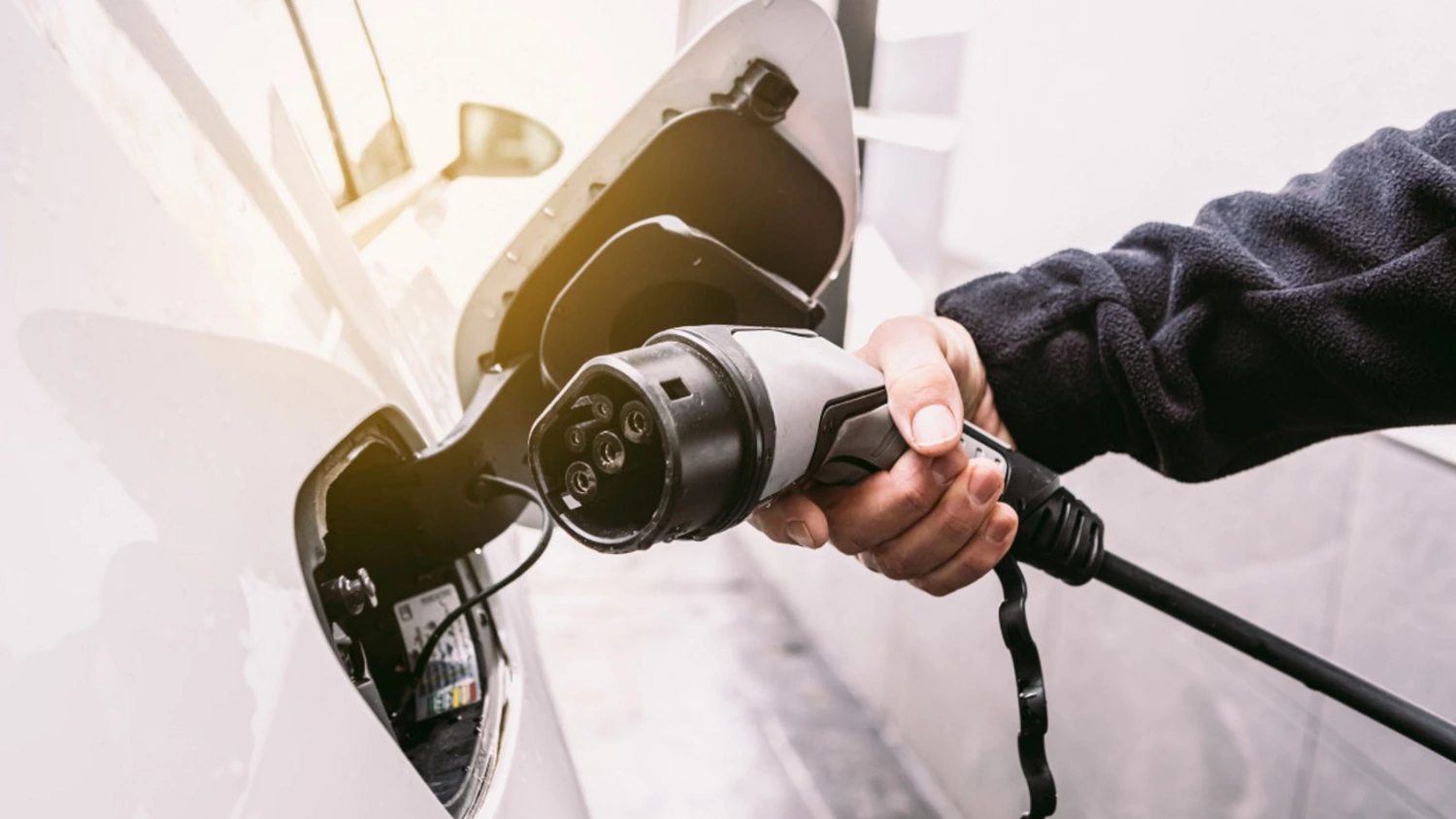
PGE to invest in energy storage

Green Forum
PGE Polska Grupa Energetyczna is placing a strong emphasis on energy storage as part of its long-term strategy. By 2035, the company aims to develop new storage facilities with a total capacity exceeding 10,000 MWh. 

Currently, PGE's most advanced energy storage initiative is the Żarnowiec Battery Energy Storage System, with a capacity of 262 MW and storage potential of around 981 MWh, scheduled to begin operations in 2027.

As the share of renewable energy sources in the National Power System increases, there is a growing need for new services to ensure a stable and secure energy supply. Energy storage systems are a crucial element of Poland's energy transformation, supporting climate goals and reducing dependence on imported fossil fuels. According to Minister of State Assets Jakub Jaworowski, the development of these storage projects ensures Poland's energy security and strengthens the competitiveness of its economy on both European and global markets.

At present, PGE operates storage facilities with a total capacity of nearly 7,000 MWh. Over the next decade, planned investments will boost this to over 17,000 MWh. This includes six large-scale battery storage systems with a combined capacity of over 4,000 MWh. Among them is the Żarnowiec facility in the Pomeranian region. Additional investments are planned in Gryfino (West Pomeranian Voivodeship), Rybnik (Silesia), Rogowiec (Łódź), and Kraków (Lesser Poland). PGE is also working on a project to deploy 75 distributed energy storage systems across the country, totaling over 6,000 MWh in capacity.

Energy storage plays a vital role in supporting an electricity system increasingly dominated by weather-dependent renewables. These facilities help integrate more renewable energy by reducing the need for non-market redispatch of green sources. Storage systems also partly substitute for expanding the distribution network, enabling higher grid capacity for prosumers. Furthermore, they bring environmental benefits by lowering the reliance on coal-fired power during peak demand, leading to reduced CO2 emissions.

RECOMMENDED
RECOMMENDED FROM THE HOME PAGE
Microsoft hits 100% renewable energy target five years early
Energy

Microsoft hits 100% renewable energy target five years early

Microsoft has achieved its goal of matching 100% of its annual global electricity consumption with renewable energy, reaching the milestone five years ahead of its 2025 target. The achievement supports the company's commitment to become carbon negative by 2030.

Real estate

How is EU real estate navigating the CSRD changes? Take our survey

The recent weakening of the CSRD may have some real estate developers cheering the compliance rollbacks, but the consequences could be complicated. A new research survey examines how EU real estate firms are navigating changes to the CSRD, and what that could mean for upcoming SFDR revisions.

Energy

Waldevar Energy builds utility-scale PV parks in Romania

Waldevar Energy has begun construction on two utility-scale photovoltaic parks for Doral Energy in Tudor Vladimirescu (Brăila County) and Ștefan Vodă (Călărași County), Romania. The projects will deliver 14 MWp of installed capacity using around 25,000 photovoltaic panels.

Industry

Lidl Romania exceeds 2030 sustainability targets early

Lidl Romania has published its eighth sustainability report for the 2024 financial year, announcing accelerated progress in reducing environmental impact. The retailer has achieved its international 2030 target for transitioning to natural refrigerants, with these now used in 100% of logistics centres and 81.7% of stores, compared to the original goal of 100% of logistics centres and 40% of stores. The company has also increased its green energy usage to 80% of total consumption.

READ MORE
Green Forum  |  23 March, 2026 at 11:37 AM
Green Forum  |  19 February, 2026 at 10:24 AM