

This measure aligns notably with the objectives outlined in the REPowerEU Plan and the European Green Deal Industrial Plan, to reduce reliance on Russian fossil fuel imports and expedite the transition to green energy.
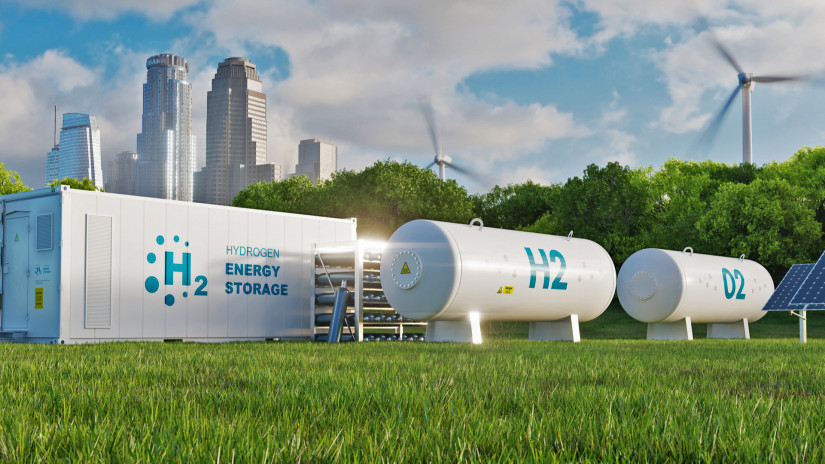
The German initiative, which was notified to the Commission, involves a €350 million scheme to foster the production of renewable hydrogen using the "Auctions-as-a-Service" tool provided by the European Hydrogen Bank. This approved scheme will facilitate the construction of up to 90 MW of electrolysis capacity, expected to incentivize the production of approximately 75,000 tonnes of renewable hydrogen. It is anticipated that this will aid Germany in achieving its goal of attaining at least 10 GW of domestic electrolysis capacity by 2030 and contribute to the EU's objective of reaching a minimum of 42.5% renewable energy production by 2030, aiming ultimately for 45%.
The assistance will be allocated through a competitive bidding process overseen by the European Climate, Infrastructure, and Environment Executive Agency (CINEA). The bidding period closed on 8 February, and the Agency is currently evaluating and ranking proposals for projects across all EU Member States. Companies intending to construct new electrolyzers in Germany will be eligible for support under this German scheme.
Beneficiaries of the scheme will receive aid in the form of a direct grant per kilogram of renewable hydrogen produced, with a maximum duration of ten years. Recipients must demonstrate compliance with EU criteria for the production of renewable fuels of non-biological origin (RFNBOs), which includes contributing to the deployment or financing of additional renewable electricity necessary for the production of supported hydrogen.
The Commission's assessment concluded that the scheme aligns with EU State aid regulations, specifically Article 107(3)(c) of the Treaty on the Functioning of the European Union, which permits Member States to support certain economic activities under specified conditions, as well as the 2022 Guidelines on State aid for climate, environmental protection, and energy (CEEAG).
Key findings of the assessment include:
The scheme is deemed necessary and appropriate for facilitating the production of renewable hydrogen and subsequently decarbonizing industrial, transport, and/or energy sectors.
There is an incentive effect, as beneficiaries would not undertake the necessary investments without public support.
Germany has implemented sufficient safeguards to ensure minimal impact on competition and trade within the EU, including a transparent and non-discriminatory bidding process and providing aid only to the extent required for project implementation.
The positive environmental effects of the aid, in line with the European Green Deal objectives, outweigh any potential negative impacts on competition.
Based on these findings, the Commission has approved the German scheme under EU State aid regulations.