Renewables to make up 42.5% of EU energy consumption by 2030

Alina Oprea
MEPs back plans to boost the use of renewable energy. Renewables will have to make up 42.5% of the EU's energy consumption by 2030, with the aim of achieving 45%. New fuels in the transport sector should lead to a 14.5% reduction in greenhouse gas emissions. Parliament voted to boost the deployment of renewable energy, in line with the Green Deal and REPowerEU plans.

The update of the Renewable Energy Directive (RED), already agreed upon between MEPs and the Council, raises the share of renewables in the EU's final energy consumption to 42.5% by 2030. Member states should strive to achieve 45%.

The legislation will also speed up procedures to grant permits for new renewable energy power plants, such as solar panels or wind turbines, or to adapt existing ones. National authorities should take no longer than 12 months to approve new renewable energy installations if located in so-called “renewables go-to areas”. Outside such areas, the process should not exceed 24 months.

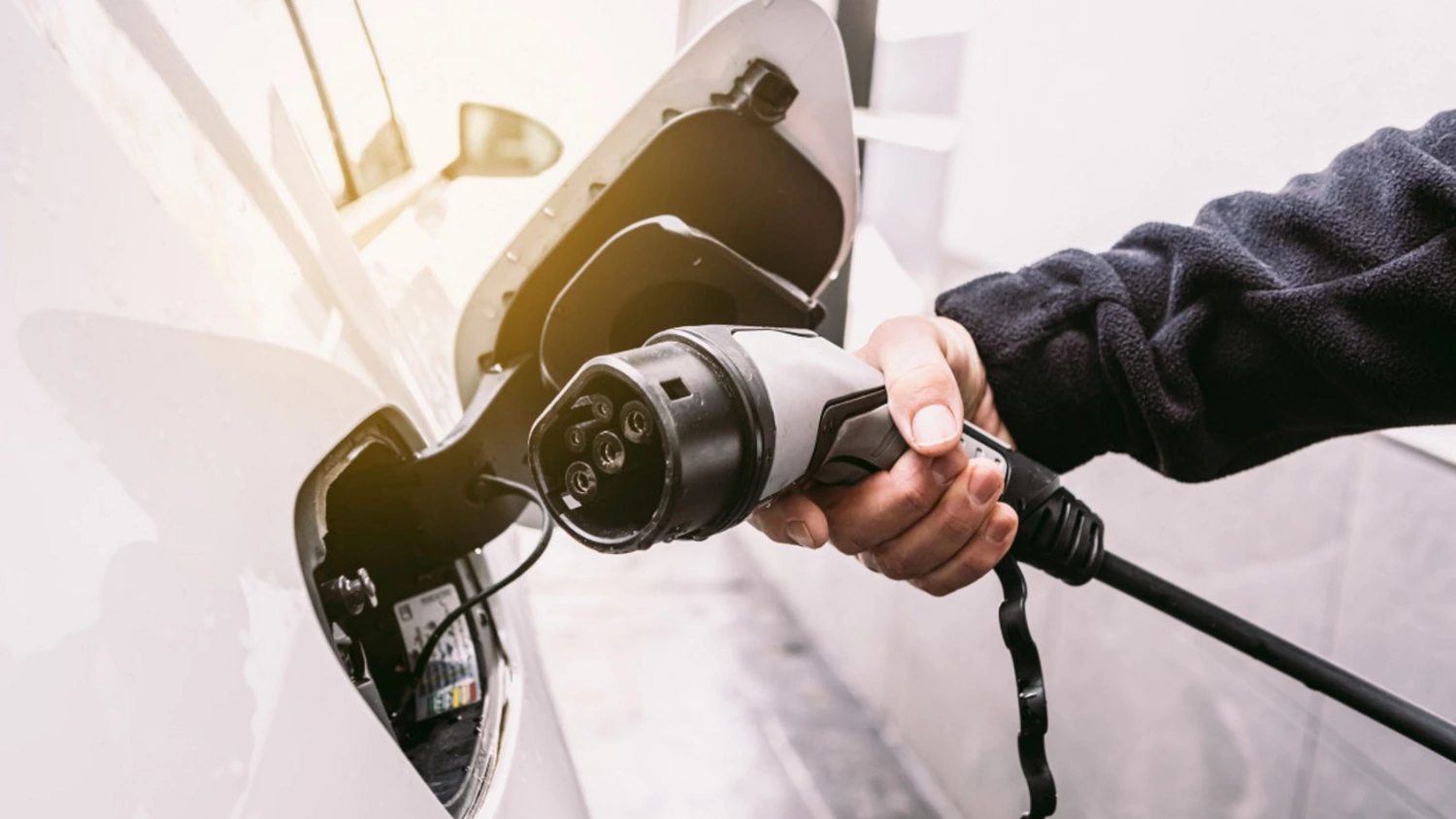
In the transport sector, renewables deployment should lead to a 14.5% reduction by 2030 in greenhouse gas emissions, by using a greater share of advanced biofuels and a more ambitious quota for renewable fuels of non-biological origin, such as hydrogen.

MEPs also secured that member states set an indicative target for innovative renewable energy technology of at least 5% of newly installed renewable energy capacity, as well as a binding framework for cross-border energy projects. They pushed for stricter criteria on the use of biomass to ensure that the EU does not subsidize unsustainable practices.

Biomass harvesting should be done in a way that prevents negative impacts on soil quality and biodiversity.

"In our pursuit of greater energy independence and CO2 reduction, we have raised our renewable energy targets. This directive is evidence that Brussels can be unbureaucratic and pragmatic. We have designated renewables as an overriding public interest, streamlining their approval process. Our focus encompasses wind power, photovoltaics, hydropower, geothermal energy, and tidal currents. Biomass from wood will remain classified as renewable energy. Under the principle of ‘Positive silence', investments will be deemed approved in the absence of administrative feedback. We now urgently need an EU electricity market design and an immediate shift to hydrogen for a greener transition", says lead MEP Markus Pieper (EPP, DE).

The legislation was adopted with 470 votes to 120, with 40 abstentions. It will now have to be formally endorsed by the Council in order to come into law.

The legislative revision stems from the Fit for 55' package, adapting existing climate and energy legislation to meet the new EU objective of a minimum 55% reduction in greenhouse gas (GHG) emissions by 2030 (REDIII). The proposed targets were further raised under the REpowerEU package, which aims to cut European dependence on fossil fuel imports from Russia, following its aggression in Ukraine. This law also brings new measures aiming to shorten the approval procedure for the deployment of renewables.

In adopting this report, Parliament is responding to citizens' expectations expressed in proposals 3(1), 3(3), 3(4), 3(5), and 3(6) of the conclusions of the Conference on the Future of Europe to accelerate the EU's green transition, particularly through: increased investments in renewable energy; reducing dependence on oil and gas imports through energy efficiency projects and the expansion of clean and renewable energy provision; improving the quality and interconnectivity of the electrical infrastructure to enable the transition to renewable energy sources; investing in technologies to produce renewable energy, such as efficient production and use of green hydrogen; and, investing in the exploration of new eco-friendly sources of energy and storage methods..

RECOMMENDED
Europes renewables market to triple by 2050
Industry

Europe's renewables market to triple by 2050

Aurora Energy Research has released its inaugural European Renewables Market Overview Report, projecting that intermittent renewable energy capacity in Europe will more than triple by 2050.

DTEK Renewables International buys 50 MW renewable energy project in Romania
Energy

DTEK Renewables International buys 50 MW renewable energy project in Romania

DTEK Renewables International, part of the DTEK group founded in 2005 by billionaire Rinat Akhmetov, acquires a greenfield project from the Romanian company Finas Invest SRL, which is based in Cluj-Napoca and operates on the renewable energy market. The acquisition of the photovoltaic plant with an installed capacity of 49.38 MW, located in the village of Glodeni, Mureş county, was announced by the law firm Wolf Theiss, which consulted DTEK Renewables.

Greece wants to import renewable energy from Egypt
Energy

Greece wants to import renewable energy from Egypt

Greece and Egypt are discussing a partnership through which the import of electricity obtained from renewable sources in Europe will be carried out through the GREGY project. GREGY will enable the supply of 3,000 MW of green energy from Egypt to Greece. The project received a vote of confidence from the governments of the countries involved.

RECOMMENDED FROM THE HOME PAGE
Sustainability moves from ambition to action
Real estate

Sustainability moves from ambition to action

Conducted in autumn 2025, the RICS Sustainable Real Estate Survey Europe gathered 112 responses from valuers, developers, investors and other professionals across 30 countries. The findings confirm that ESG has moved from a peripheral concern to a core driver of real estate value, risk and decision-making across Europe.

Finance

ProCredit Bank Romania launches CO2 calculator for SMEs

ProCredit Bank Romania has launched a CO2 Emissions Calculator to help microenterprises and small and medium-sized enterprises quantify and understand their carbon footprint. This initiative reflects the Procredit Group's commitment to achieve net-zero emissions by 2050, with client engagement at the core of its Climate Action Strategy.

Energy

DSV boosts energy self-sufficiency with solar power

DSV – Global Transport and Logistics, the world's largest logistics operator, has launched a solar installation at its warehouse in Łozienica, Poland, in partnership with commercial real estate investor Accolade. The installation will meet the energy needs of Poland's first multi-client warehouse equipped with an AutoStore system.

Energy

Etem Gestamp signs cross-border wind power deal with Rezolv

Etem Gestamp, the Sofia-based joint venture between Viohalco Group and Spain's Gestamp Group focused on aluminium extrusion and processing for the automotive industry, and Rezolv Energy, the Actis-backed independent power producer, have signed a 10-year virtual power purchase agreement (VPPA) in Bulgaria. The VPPA will see Etem Gestamp buy electricity from Rezolv Energy's 461MW 'Vifor' wind farm, which is about to come onstream in Buzău County, Romania. It is the first cross-border wind PPA that has been publicly announced in Bulgaria.

READ MORE
Green Forum  |  24 April, 2026 at 11:04 AM
Green Forum  |  14 April, 2026 at 8:46 AM